
Proposed H-1B Wage Increase Aims to Limit Foreign Hiring and Protect US Jobs
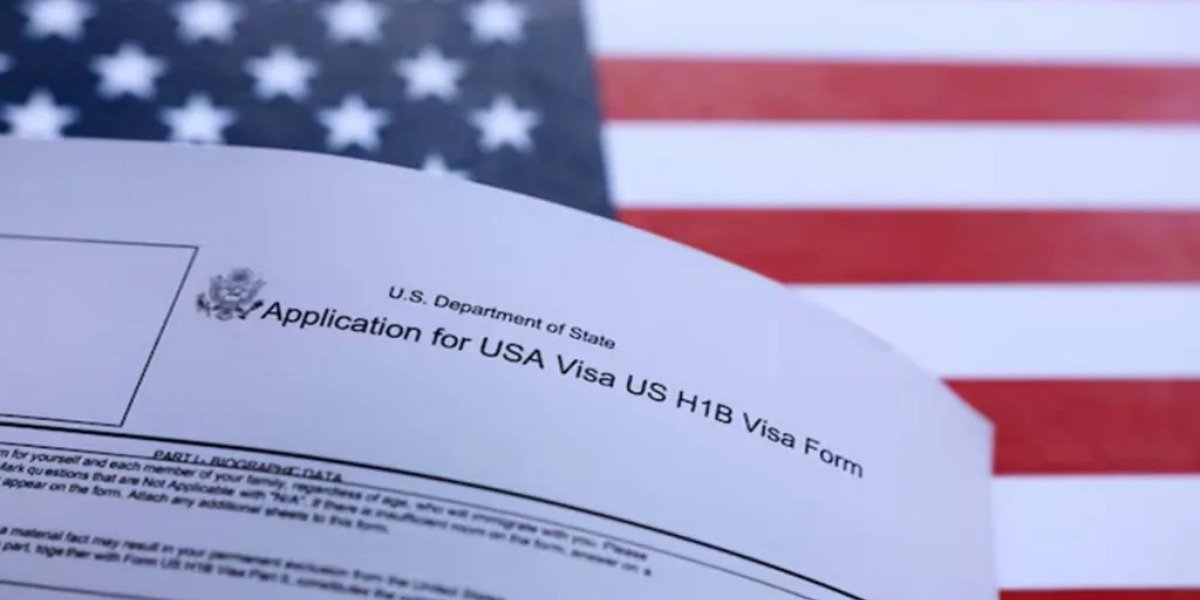
The US Department of Labor has submitted a proposal to the Office of Management and Budget that would tighten wage requirements for foreign workers employed through the H-1B visa programme and permanent labour certification (PERM).
The proposal, titled Improving Wage Protections for H-1B and PERM Employment, is expected to raise minimum salary thresholds for foreign employees, increasing the cost for US employers to hire overseas workers. While the full details have not yet been released, immigration attorney Emily Neumann said on X that the proposal follows President Trump’s 2025 directive instructing the Department of Labor to revise prevailing wage regulations.
She noted that the changes could significantly affect costs for H-1B and PERM cases and advised employers to monitor developments closely. Efforts to adjust wage rules for foreign workers have a long history.
In 2021, during President Trump’s earlier term, the Department of Labor finalised a regulation that altered the prevailing wage system across several visa categories, including H-1B, H-1B1, E-3, and PERM. The aim was to raise required wages so that foreign workers’ pay more closely matched that of US workers in similar roles.
That regulation faced legal challenges and was later withdrawn under the Biden administration. Although the Department of Labor initially indicated it would introduce a revised version, the proposal was repeatedly delayed and eventually removed from the regulatory agenda.
The current debate centres on the Department of Labor’s four-tier wage structure, which is based on data from the Bureau of Labor Statistics’ Occupational Employment Statistics survey. These wage levels determine the minimum salaries employers must offer to comply with visa requirements. Any adjustment to the system affects not only new visa applications but also existing workers seeking extensions or changes in employment.
The stated purpose of revising the wage framework is to prevent foreign labour from lowering domestic wages or limiting job opportunities for US workers. Critics, however, argue that steep increases in prevailing wages could make it difficult for employers to hire foreign professionals, particularly in sectors such as technology, healthcare, and staffing, where reliance on H-1B visas is high.
Concerns have already been raised within the immigration and business communities. James Blunt, writing on X under the name JBlunt1018, said the proposal could significantly affect the H-1B programme and PERM employment by sharply increasing wage requirements. He warned that if implemented, the rule could cause serious disruption across multiple industries and encourage companies to move roles overseas.
Blunt referred to changes introduced during President Trump’s first term, when revised wage calculations led to sudden and substantial increases in required salaries. He said positions paying about $120,000 were reclassified to require salaries of $230,000 to $240,000, prompting widespread compliance difficulties and contributing to the eventual withdrawal of the rule.



Comments
No comments yet — be the first.