
Gachagua Says Some Northern Kenya Leaders Blocked His Media Interview
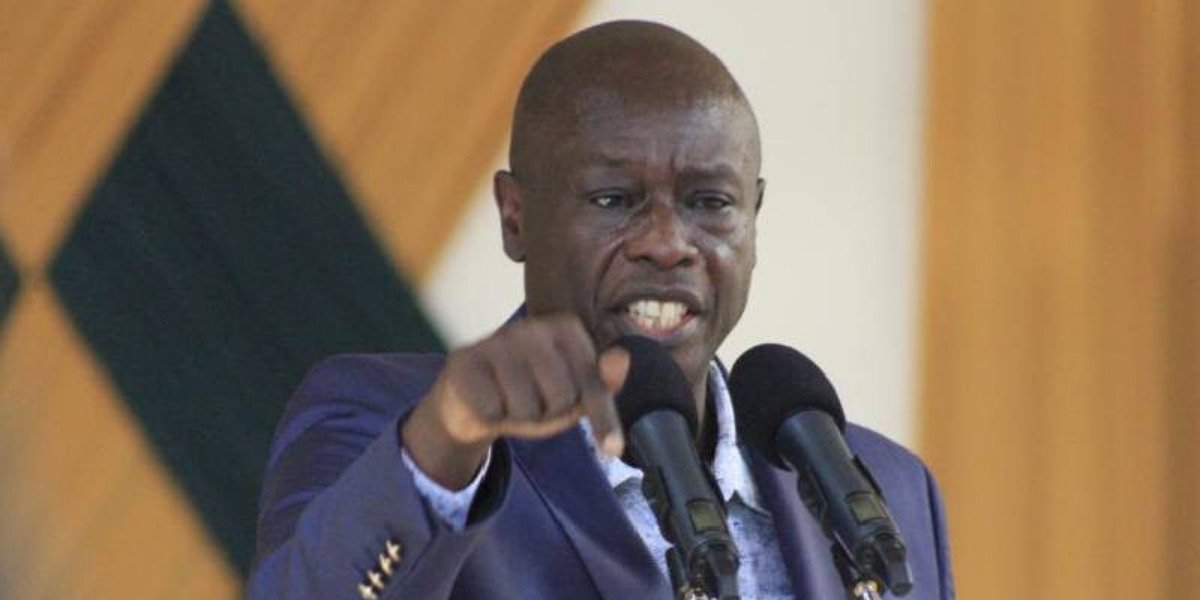
A scheduled media roundtable with former Deputy President Rigathi Gachagua went ahead in Karen with only one journalist present after reporters from Northern Kenya withdrew hours before the event.
The engagement had been planned as a joint interview with broadcasters from Mandera, Garissa, Marsabit, Wajir and Isiolo, and was to be streamed through North Eastern Digital Media. Earlier publicity material indicated broad regional participation, but this did not materialise following a late withdrawal by journalists from the region.
In a statement issued before the meeting, Northern Kenya media practitioners said they had decided collectively not to take part. They said the proposed format lacked sufficient safeguards to ensure balanced discussion and risked becoming a forum for personal attacks or unverified claims.
The journalists said their decision was guided by a commitment to responsible journalism, national cohesion and constructive public debate. They warned that recent political exchanges had increasingly emphasised ethnic and regional differences, and said they could not support content that might deepen divisions.
The statement noted the challenge faced by regional media in balancing access to public figures with the need to avoid amplifying narratives that could inflame tensions. The group said it remained open to future engagements, provided they were structured around evidence-based discussion and mutual respect.
Despite the boycott, Gachagua proceeded with the interview and rejected claims that he had sidelined Northern Kenya or promoted tribal politics. He described such accusations as deliberate attempts to create discord between the Mt. Kenya region and North Eastern Kenya, and said the two areas had long-standing economic ties.
Addressing development concerns, Gachagua said criticism from some regional leaders was misplaced. He argued that residents had not raised complaints about his leadership and instead pointed to weak accountability among local officials.
He said counties in Northern Kenya had received significant funding since 2013 but that development outcomes remained limited due to poor use of resources. He cited continued shortcomings in infrastructure and education compared with other parts of the country.

Comments
No comments yet — be the first.