

Molo Becomes a Property Hotspot as Land Values Surge
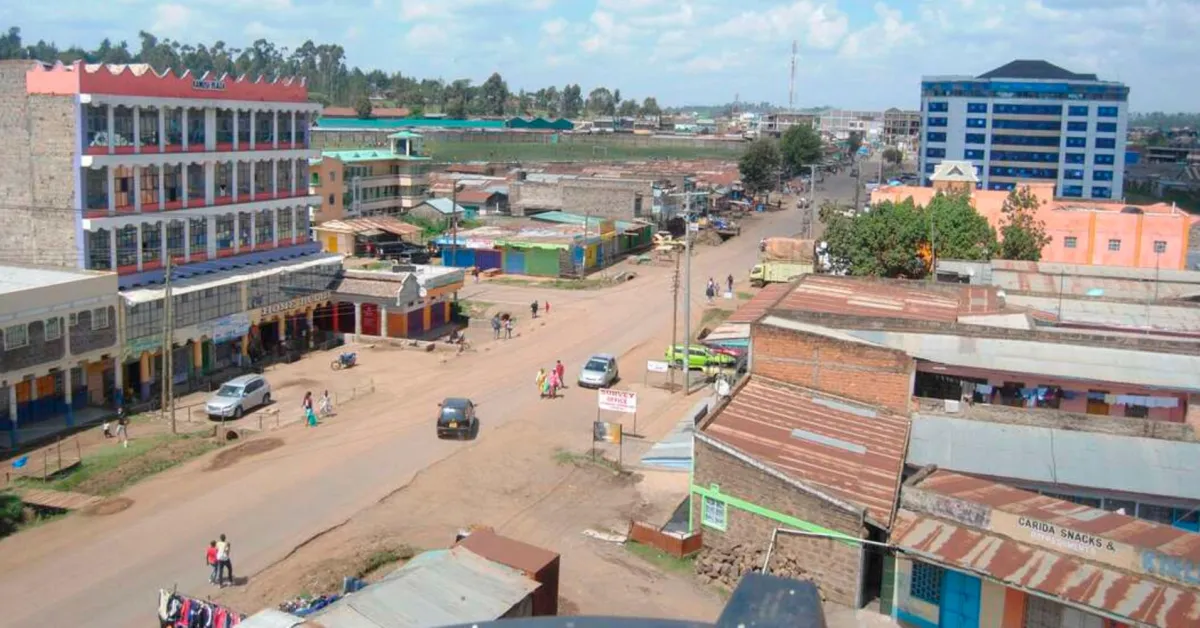
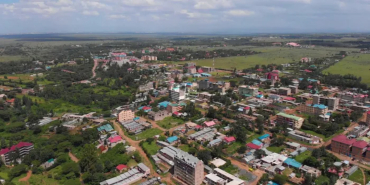
Molo is recording steady growth, with rising land prices, increased business activity and a growing population reshaping its economic outlook.
Land values highlight the pace of change. In 2015, an eighth-acre plot cost about Sh350,000. Similar parcels now sell for between Sh2 million and Sh2.5 million. Smaller plots on the outskirts have also increased significantly in value, while land along key roads linking Kuresoi, Elburgon and Njoro attracts higher prices. This trend reflects renewed investor confidence.
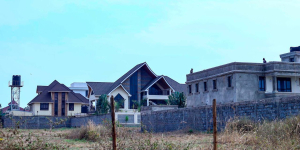
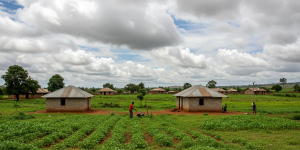
The town’s population, estimated at around 270,000 in the 2019 census, continues to expand. Demand for housing and commercial space is rising, supported by Molo’s location along the Nakuru–Eldoret highway and its proximity to productive agricultural areas such as Njoro and Kuresoi. Its upgrade to municipality status in 2022 has further supported development, providing at least Sh50 million each year for infrastructure.
Molo’s progress follows a period of instability. The town was affected by political unrest in 1992 and again during the 2007–2008 post-election violence, which disrupted economic activity and discouraged investment. Recovery gained momentum after 2013 with the introduction of devolution, which brought increased funding and improved local governance. Since then, stalled projects have resumed and new developments have emerged.
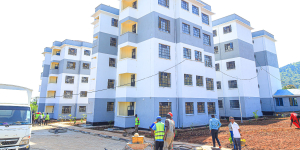
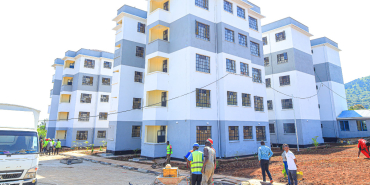
Businesses have expanded across the town, including financial institutions, telecommunications companies and small enterprises. This growth has increased demand for housing, leading to higher rents, although living costs remain lower than in larger towns. Single rooms rent for about Sh2,500, while one-bedroom units average Sh5,000.
Economists link Molo’s growth to its agricultural base, improved security and access to major transport routes. County revenue collection has increased from about Sh20 million before devolution to between Sh50 million and Sh60 million annually.
However, challenges remain. Poor road networks, inconsistent water supply and frequent power outages continue to affect economic activity. Residents say upgrading roads such as the Molo–Njoro route would lower costs and improve efficiency.







Add new comment