
Trump Orders State-Level Citizenship Databases in Bid to Curb Noncitizen Voting
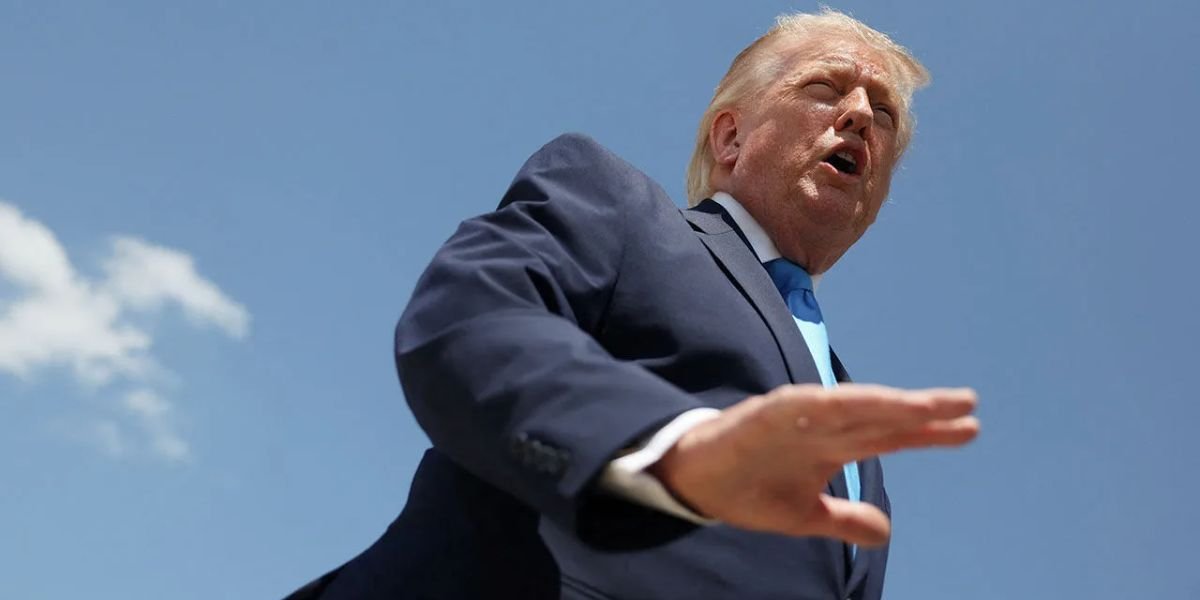
President Donald Trump has ordered the Department of Homeland Security to compile citizenship records for every US state, arguing that the measure is needed to prevent noncitizens from voting in federal elections.
The directive, signed in March, has already been challenged in court. Trump has repeatedly claimed that noncitizen voting threatens election integrity, although evidence shows such cases are rare. His administration has not provided proof of widespread violations.
The new initiative follows earlier efforts to add a citizenship question to the 2020 census and to support legislation requiring voter ID checks against federal databases. Those proposals faced strong opposition and, in some cases, failed to advance in Congress.
A major challenge is that the United States does not have a centralised citizenship registry. Unlike countries with national identity systems, the US relies on separate records such as passports, Social Security documents, and naturalisation certificates. Each system has limitations.
Only around half of Americans hold passports, Social Security records also include noncitizens, and naturalisation files are spread across several agencies without a single comprehensive index. Trump’s order proposes combining these sources into state-level databases, though government lawyers have acknowledged that the records would likely remain incomplete and vulnerable to errors.
The proposal has also raised privacy concerns. The Privacy Act of 1974 limits the sharing of personal records between federal agencies without consent, creating uncertainty over whether the system could meet legal requirements.
During court hearings in Washington, Justice Department lawyers said the administration had not yet decided how the order would be implemented. Critics warned that inaccurate databases could wrongly identify eligible voters or unfairly affect immigrants.
Voting rights organisations and Democratic-led states argue that the Constitution does not give the executive branch authority to manage election administration in this way. They say unreliable databases could prevent citizens from voting or incorrectly target lawful residents.
David J. Bier of the Cato Institute described the proposal as a possible misuse of government power, saying that imperfect records could lead to widespread mistakes in determining voter eligibility. The executive order forms part of a broader effort by the Trump administration to challenge established citizenship policies.
After returning to office, Trump signed another order questioning the principle of birthright citizenship, which is now being considered by the Supreme Court. The administration is also pursuing measures aimed at revoking citizenship from some naturalised Americans, increasing concern among immigrant communities.
The debate reflects wider differences between the United States and countries with national identity systems, where citizenship verification is generally more direct. The American system of decentralised record-keeping has long reflected concerns about concentrated federal authority.




Comments
No comments yet — be the first.