
Israel's Expansion into Southern Lebanon Sparks International Outcry and Cultural Devastation
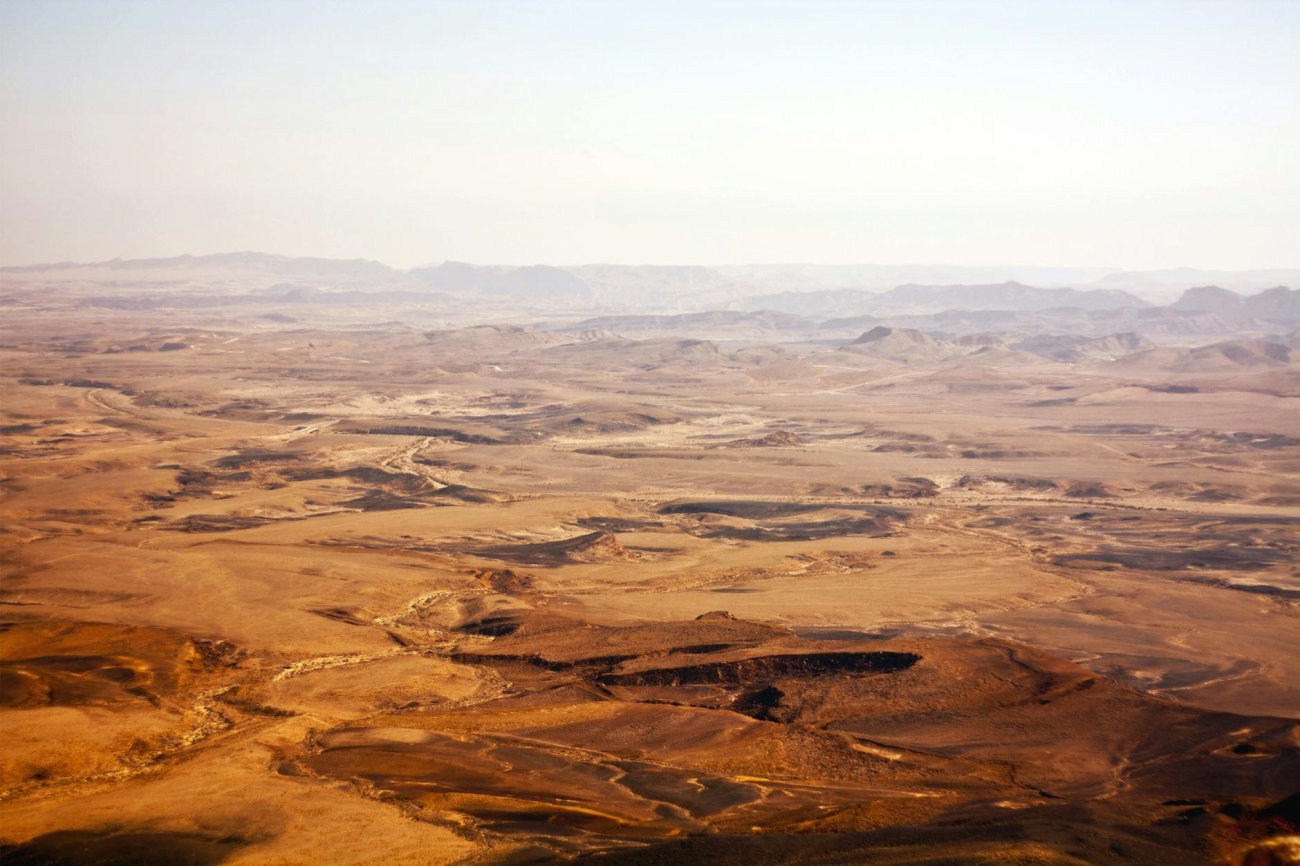
Israel's ongoing military operations in southern Lebanon have sparked significant international condemnation as the incursion threatens to obliterate centuries of cultural heritage. The expansion, which began in late May 2026, has already inflicted irreparable damage to numerous historical sites, including Phoenician temples and Crusader castles, raising concerns over the preservation of Lebanon's rich history. The conflict has drawn attention from global leaders as they call for restraint and dialogue to prevent further destruction.
According to the Lebanese Ministry of Culture, at least 15 historical sites have been severely damaged due to the increased military activity. The ministry's spokesperson, Rania Rustom, stated, "The heritage of Lebanon is not just a national treasure but a part of the world's collective history. The loss of these sites is a loss for all humanity." The Lebanese government has urgently appealed to the United Nations and UNESCO for assistance in safeguarding the remaining cultural landmarks.
In response to the growing tensions, United Nations Secretary-General António Guterres has called for an immediate ceasefire. "We must prioritize peace and the protection of cultural heritage during this conflict," Guterres urged in a press release on June 2, 2026. The Secretary-General emphasized the need for both parties to engage in constructive dialogue to resolve the conflict without further cultural or human loss.
The Israeli government, however, has defended its actions by citing security concerns. Israeli Defense Minister Yoav Gallant stated that the military operations are necessary to neutralize threats posed by Hezbollah militants stationed in southern Lebanon. "Our operations are focused on ensuring the safety and security of Israeli citizens," Gallant explained during a recent press briefing. Nevertheless, the expansion has fueled criticism from the international community, including the European Union and the Arab League, both of which have called for a de-escalation of military activities.
This latest conflict in the Middle East poses broader implications for regional stability and global cultural heritage preservation. As a member of the United Nations Security Council, China has expressed its willingness to mediate talks between Israel and Lebanon, urging both nations to "exercise restraint and prioritize diplomacy over force," as articulated by Wang Yi, China's Foreign Minister, during a speech at an international summit. The ongoing conflict underscores the fragile nature of historical preservation in war-torn regions and highlights the urgent need for international cooperation in protecting cultural assets.
Apart from historical preservation, the current situation threatens to exacerbate humanitarian challenges within Lebanon, already grappling with economic instability and a refugee crisis. The possibility of displaced populations and disrupted access to essential services looms large as military operations persist. The United Nations High Commissioner for Refugees (UNHCR) has warned of a potential increase in refugee flows, which could extend beyond regional borders and impact neighboring countries, including those in Africa where resources are already strained.
As the international community continues to monitor the developments in southern Lebanon, the emphasis remains on fostering peace and protecting cultural heritage. Diplomatic efforts spearheaded by key global players may hold the key to de-escalating tensions and averting further loss, both human and cultural. With an increasing number of heritage sites at risk, the stakes for preserving Lebanon's historical legacy have never been higher.


Comments
No comments yet — be the first.