
Clashes in Mogadishu Intensify Amid Political Rivalries
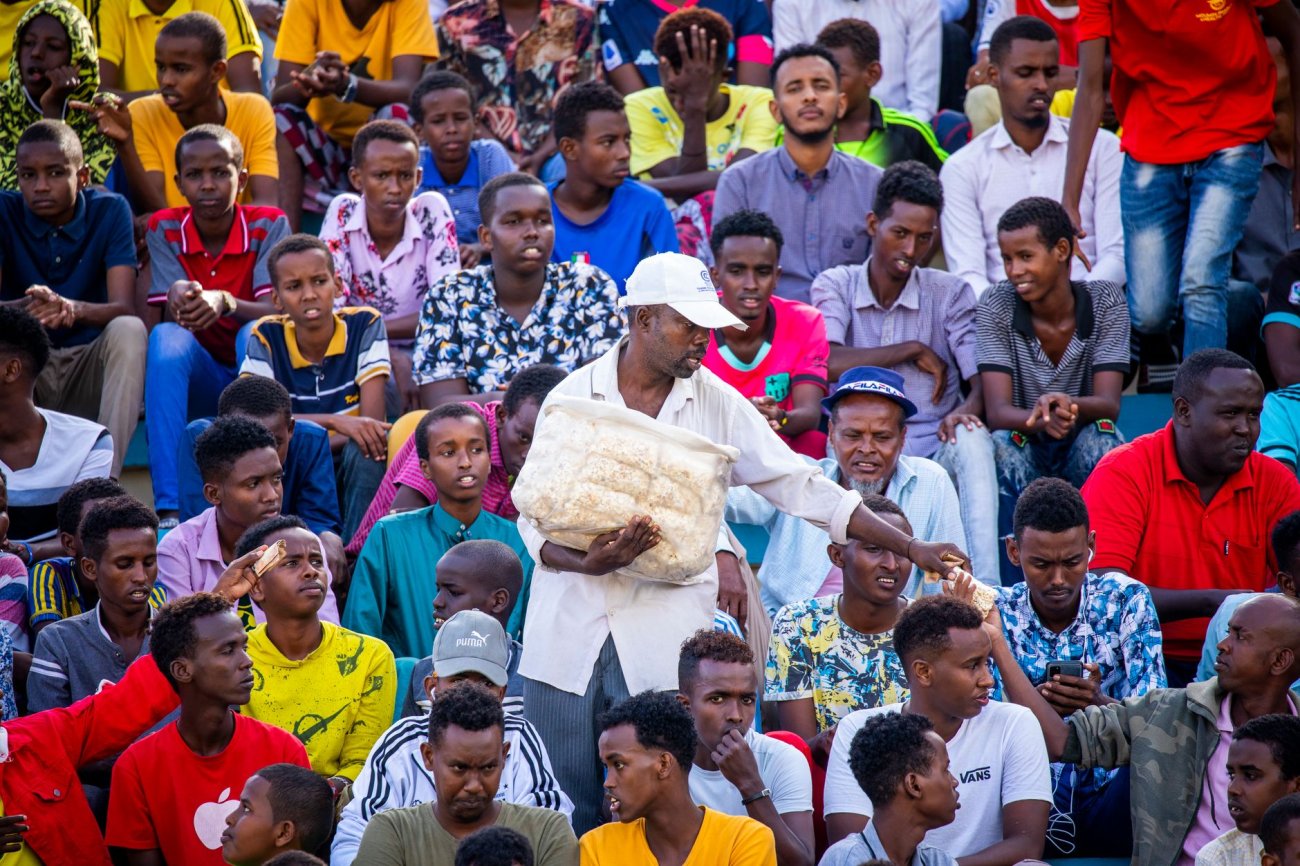
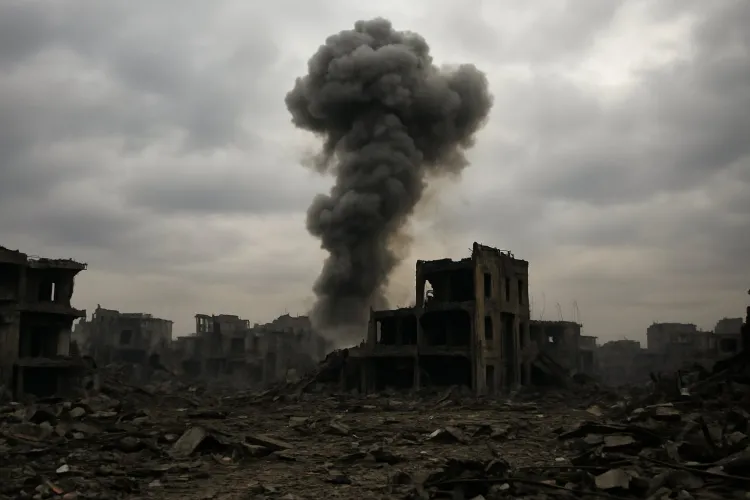
Intense gun battles erupted in Somalia's capital, Mogadishu, on Thursday, marking the worst violence the city has witnessed in recent years. Armed factions loyal to rival political figures clashed in the streets, underscoring the fragile state of the nation's political environment. The violence has raised alarms among international observers concerned about the stability of the Horn of Africa nation.
According to local residents, the clashes began after disagreements over the upcoming elections, which have been delayed multiple times due to political infighting. "We are caught in the crossfire of politicians who put their interests above ours," said a resident of Mogadishu, who preferred to remain anonymous for security reasons. Reports from the ground suggest that at least 25 people have been killed, with over 60 others injured.
Somalia's government, led by President Hassan Sheikh Mohamud, has been striving to contain insurgent threats from the al-Shabaab militant group. However, internal political rivalries continue to divert focus from addressing security and governance issues. The United Nations Assistance Mission in Somalia (UNSOM) has expressed deep concern about the situation. "The use of force to settle political scores is unacceptable," stated James Swan, the Special Representative of the UN Secretary-General for Somalia. "Political leaders must prioritize dialogue to resolve their differences peacefully."
The fighting has not only destabilized Mogadishu but also risks derailing international efforts to support Somalia's development. The African Union Mission in Somalia (AMISOM) has been actively involved in peacekeeping operations, yet the internal conflicts pose additional challenges. The African Union's Peace and Security Council held an emergency meeting on the matter. In a statement, the council reiterated its support for Somalia's territorial integrity and urged all parties to exercise restraint.
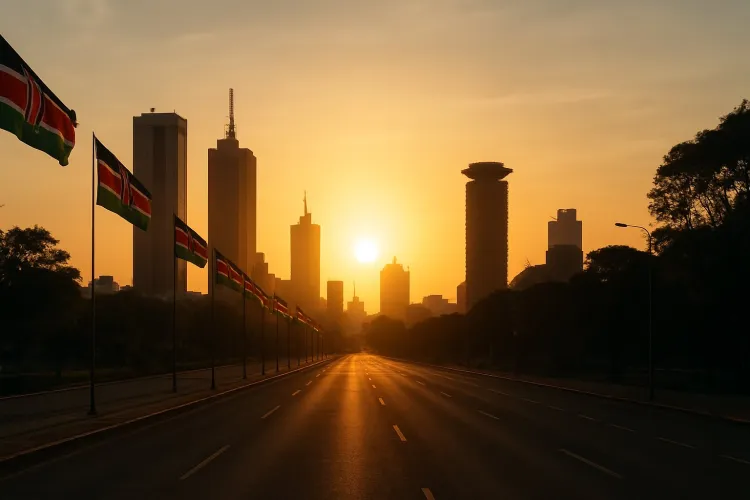
The ongoing violence in Mogadishu is a stark reminder of the broader regional instability that affects the Horn of Africa. Neighboring countries have expressed concerns about potential spillover effects. Ethiopia and Kenya, both of which share porous borders with Somalia, are closely monitoring the situation. Kenyan Foreign Affairs Cabinet Secretary Raychelle Omamo emphasized the importance of regional cooperation in addressing the crisis. "Stability in Somalia is crucial for the security of the entire region," she remarked during a press briefing in Nairobi.
As the conflict unfolds, analysts are closely watching for potential impacts on humanitarian efforts. Somalia already faces significant challenges, including food insecurity and displacement due to ongoing drought conditions. International agencies warn that the renewed violence could exacerbate these issues, complicating aid delivery and further straining resources.
The international community continues to call for dialogue and reconciliation among Somalia's political leaders. The United States, under President Donald Trump's administration, has reiterated its commitment to supporting peace initiatives in the region. "Somalia's leaders need to come together to forge a path toward peace and stability," said U.S. Secretary of State Antony Blinken in a recent statement.
With tensions remaining high, the situation in Mogadishu remains volatile, and its implications extend beyond Somalia's borders. The global community is urged to remain vigilant and supportive of efforts to restore peace and order in the region.




Comments
No comments yet — be the first.