
Climate Migrants in Zimbabwe Face Uncertain Future Amid Government Crackdown
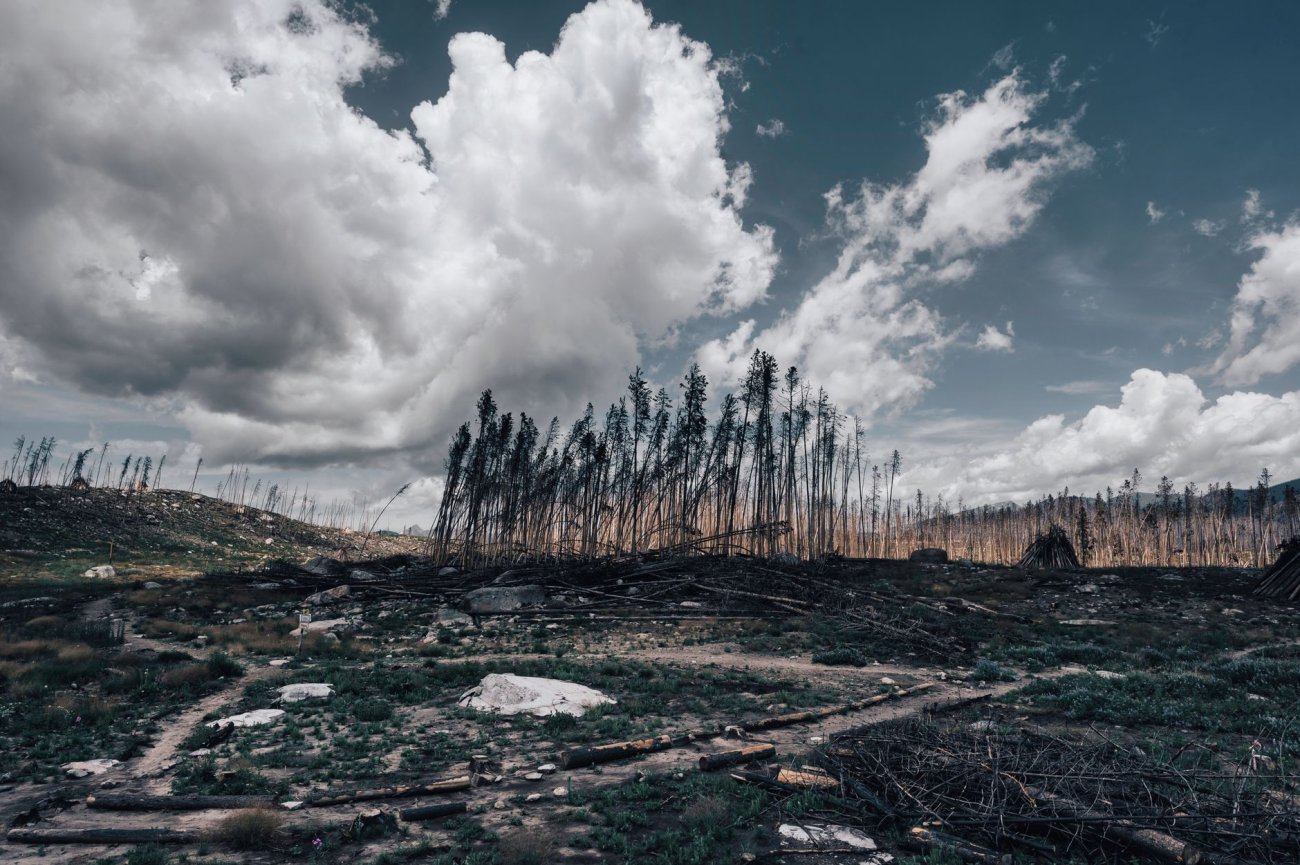
Amid a growing crackdown on climate migrants in Zimbabwe's Eastern Highlands, thousands who have resettled in the region face imminent eviction, raising concerns over the resilience of displaced communities in the face of environmental challenges. The fertile lands of the Eastern Highlands have drawn many migrants who fled regions severely affected by prolonged droughts, seeking new opportunities for farming and sustenance. However, the Zimbabwean government's intensified efforts to enforce land policies threaten to dismantle these fragile communities.
Zimbabwe, a country repeatedly grappling with the impacts of climate change, has witnessed a significant movement of its population toward areas with more favorable agricultural prospects. The Eastern Highlands have become a beacon of hope for many whose home regions have become untenable due to erratic rainfall patterns and desertification. According to government estimates, over 30,000 people have moved to these highlands in recent years, placing increased pressure on the land and resources.
Authorities have cited illegal occupation and environmental degradation as key reasons for the evictions. "The government's responsibility is to preserve the environment and ensure sustainable use of land," said Zimbabwe's Minister of Lands, Agriculture, Fisheries, Water and Rural Development. "We must balance the needs of our people with the preservation of our natural resources." This initiative has sparked criticism from humanitarian organizations that argue the policy lacks consideration for the humanitarian aspect of forced migrations.
International organizations have expressed concern over the treatment of climate migrants and the potential humanitarian crisis that could arise from the government's actions. "The international community must recognize the plight of climate migrants as an urgent issue," remarked a spokesperson from the United Nations High Commissioner for Refugees (UNHCR). "Policies should be adapted to provide these individuals with the necessary support and protection."
The situation in Zimbabwe serves as a stark reminder of the challenges faced by developing nations as they navigate the complex interplay of climate change, migration, and resource management. As global temperatures continue to rise, the number of people seeking refuge from climate-induced hardships is expected to increase, necessitating comprehensive international strategies to address these challenges.
The implications of Zimbabwe's response extend beyond its borders, potentially influencing policy frameworks across the African continent where climate-induced displacement is becoming increasingly common. Environmental experts emphasize the need for regional cooperation and support, with initiatives such as the African Union's Agenda 2063 promoting sustainable development and resilience against climate change.
As the world watches the developments in Zimbabwe, the situation highlights the need for a concerted global effort to address the root causes of climate migration and establish frameworks that protect the rights and livelihoods of those affected. The coming months will be critical in determining the future of Zimbabwe's climate migrants, as government actions and international responses unfold in the face of this pressing environmental and humanitarian challenge.



Comments
No comments yet — be the first.