
Romania's Nuclear Shutdown Highlights Global Energy Vulnerabilities Amid Climate Extremes
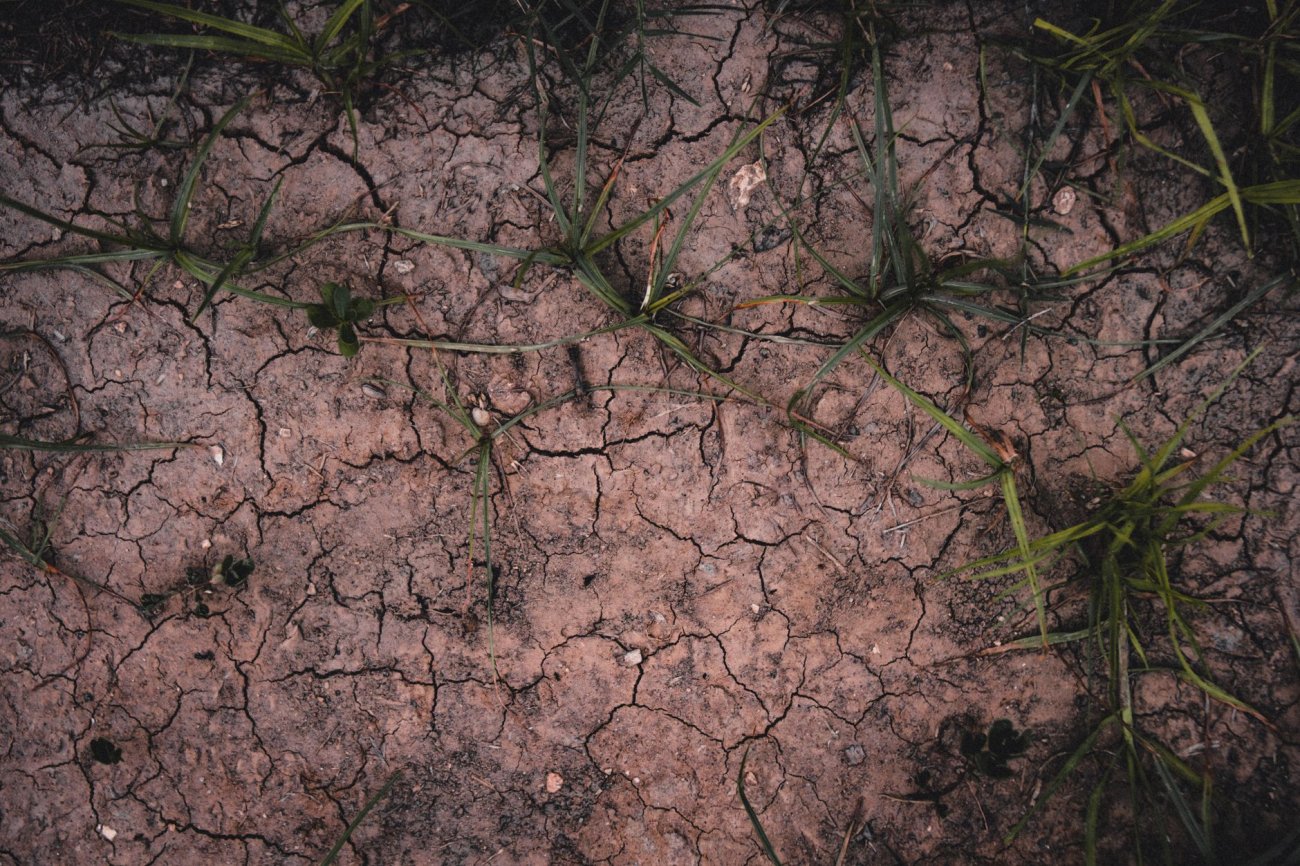
Romania has temporarily shut down its sole nuclear power facility, the Cernavodă plant, as a significant drop in the Danube River's water levels, caused by extreme heat, jeopardizes its operational capabilities. The plant, responsible for supplying approximately 20% of the nation’s electricity, is projected to remain off-line for at least ten days, sparking concerns over energy reliability and economic impacts.
The Romanian government has expressed urgency in addressing the situation, with Environment Minister Barna Tanczos acknowledging the severe climatic conditions. “The unprecedented drop in Danube levels is indicative of the broader climate challenges we face. We must adapt our energy infrastructure to withstand these fluctuations,” Tanczos stated. This development underscores the European Union’s ongoing struggle with energy security, particularly as extreme weather patterns intensify across the continent.
The Cernavodă plant’s shutdown is part of a growing pattern of climate-related disruptions affecting critical infrastructure globally. According to the International Energy Agency (IEA), Europe’s reliance on nuclear power, which constitutes about 25% of its electricity generation, is increasingly vulnerable to climate variability. This poses a significant challenge as the continent seeks to balance energy demands with its commitment to reducing carbon emissions.
As Romania contends with potential energy shortages, the government is exploring alternative sources, including increased reliance on natural gas imports and renewable energy solutions. However, this raises concerns about the cost implications and the environmental impact, particularly as the European Union aims to achieve net-zero emissions by 2050. Energy analysts are closely monitoring the situation, noting that such disruptions could influence policy shifts across the region.
Globally, the scenario in Romania is mirrored in several developing nations, where energy infrastructure is similarly vulnerable to climate extremes. African countries, many of which depend on hydropower, are also experiencing decreased water availability, leading to power outages and economic strain. The World Bank has urged nations to bolster climate adaptation strategies to ensure sustainable energy access and resilience.
European Commissioner for Energy Kadri Simson stressed the need for comprehensive strategies to mitigate the impacts of climate change on energy systems. “Europe must accelerate its transition to a more resilient and diversified energy mix,” Simson said, highlighting the EU’s Green Deal as a framework for such initiatives.
As Romania navigates the immediate challenges posed by the Cernavodă plant shutdown, the incident serves as a stark reminder of the interconnectedness of climate and energy policies. Nations worldwide are poised to learn from these developments, recognizing the urgency of enhancing infrastructure to withstand the increasing frequency and intensity of climate-related events.

Comments
No comments yet — be the first.