
U.S. and Iran Edge Toward Deadline in Nuclear Talks Amid Rising Tensions
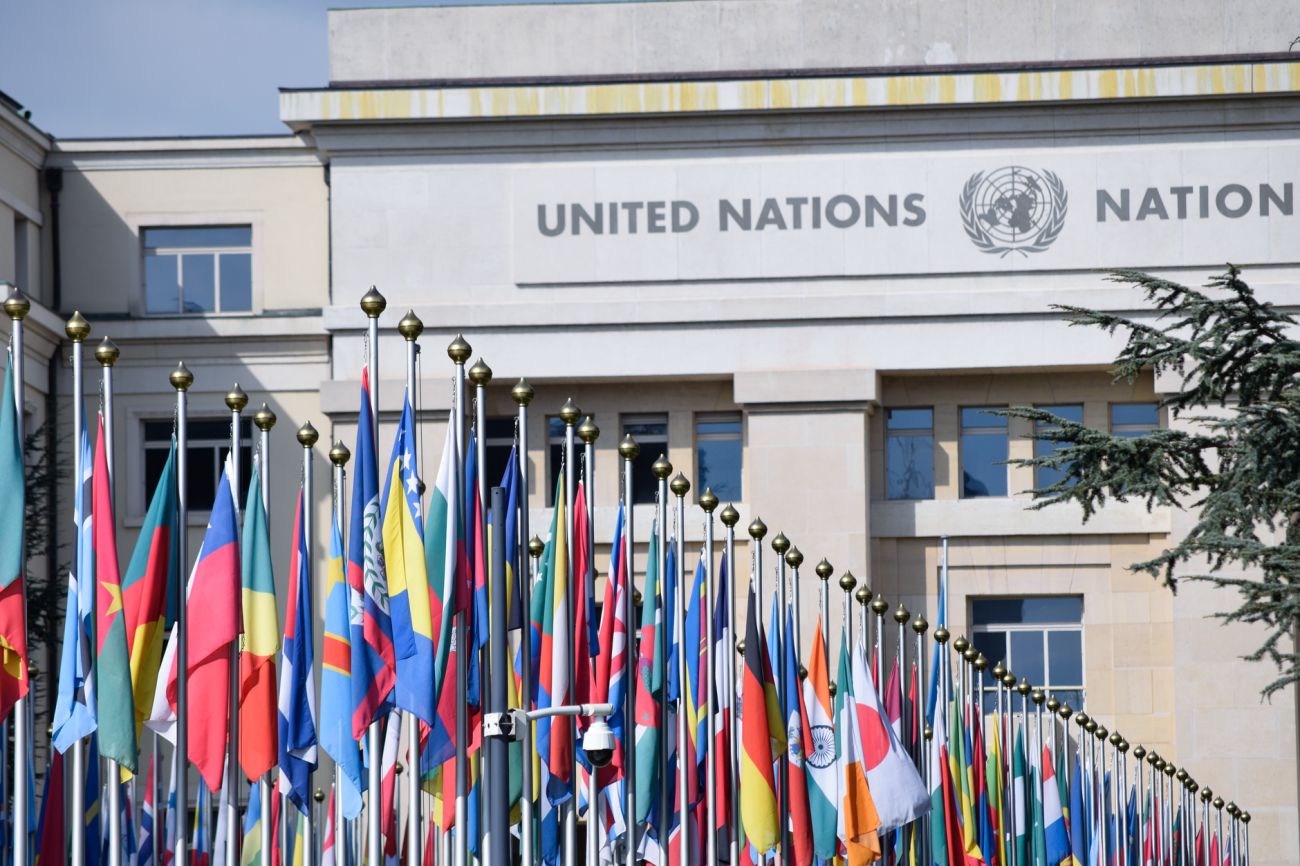
In a tense standoff that echoes past diplomatic strife, the United States and Iran are on the brink of surpassing a critical deadline set to negotiate terms surrounding Iran’s nuclear program. As the deadline looms, both nations are entrenched in positions that may reshape global nuclear policy and regional stability. The impasse has intensified economic and geopolitical tensions, with ripple effects that could extend beyond the Middle East.
U.S. President Donald Trump, who resumed office in 2025, has adopted a strategy reminiscent of the pressure campaign he employed during his first term. "Iran must come to the negotiating table with genuine intent to disarm its nuclear capabilities," Trump stated at a recent press briefing, underscoring his administration's commitment to securing a deal akin to the 2020 Jerusalem Accord, which saw partial success in curbing regional arms proliferation.
Acting U.S. Attorney General Todd Blanche emphasized the legal frameworks the U.S. is prepared to enforce, should Iran defy international agreements. "We have mechanisms in place to impose severe sanctions that will cripple Iran's economic channels if compliance is not met," he declared, referring to the sanctions that have previously targeted Iran’s oil exports and financial sectors.
The current talks, stalled over differing views on uranium enrichment levels and verification protocols, have raised alarms among international observers. Iran's President Ebrahim Raisi has repeatedly asserted Iran’s right to pursue nuclear technology for peaceful purposes. "We will not bow to imperialist pressures that seek to undermine our sovereignty," Raisi stated via state-run media, reaffirming Iran’s stance against unilateral concessions.
These developments arrive as Iran's economy struggles under the weight of existing sanctions, exacerbating domestic challenges and igniting protests over economic mismanagement. The International Monetary Fund (IMF) reports that Iran's GDP contracted by an estimated 4.3% last year, although oil exports have seen a modest recovery.
The potential ramifications of a failed agreement extend beyond the involved parties. Analysts warn that escalation could destabilize the Middle East, complicating global oil markets and impacting economies worldwide, particularly those reliant on energy imports, such as several African nations. The Organization of the Petroleum Exporting Countries (OPEC) has indicated concerns over potential disruptions, with Secretary General Haitham Al Ghais noting, "A conflict-induced shock could have significant repercussions on global supply chains and energy security."
As the deadline approaches, the international community remains watchful. Efforts by European Union diplomats to mediate continue, with EU foreign policy chief Josep Borrell emphasizing the need for dialogue. "Diplomacy remains our strongest tool to ensure peace and stability," Borrell remarked, advocating for multilateral engagement to defuse the crisis.
With few days left before the deadline expires, the world waits to see whether a breakthrough can be achieved or if a new chapter of confrontation will unfold, altering the geopolitical landscape in unpredictable ways. The outcomes of these talks will be critical not only for U.S.-Iran relations but also for the broader international order.




Comments
No comments yet — be the first.