
Devastating Floods in Assam, India Leave Trail of Destruction and Heartbreak
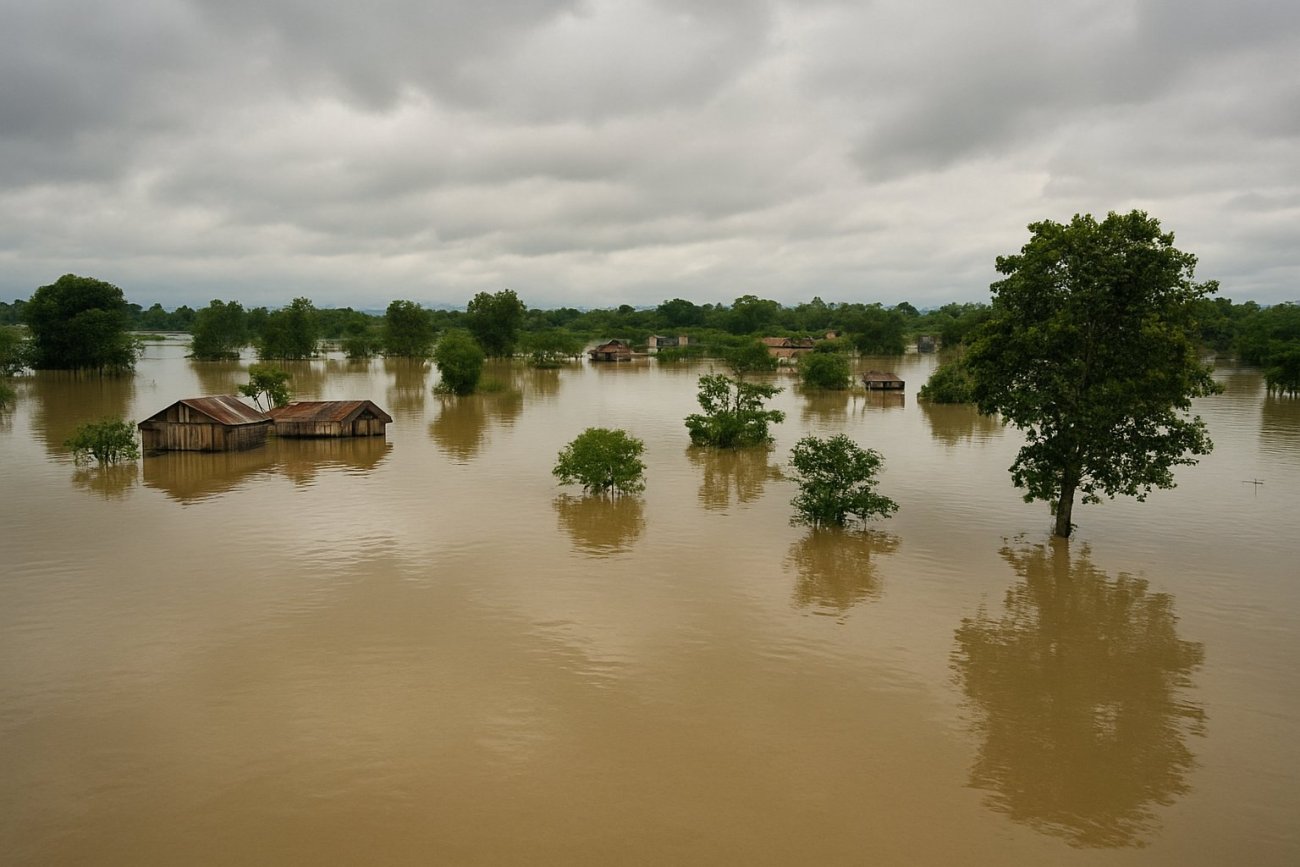
Severe flooding in India’s northeastern state of Assam has resulted in a catastrophic loss of life and widespread destruction, with local officials reporting at least 50 confirmed deaths and thousands displaced. The floods, described by survivors as akin to a tsunami, have submerged entire villages, leaving families searching for loved ones and communities grappling with the aftermath of nature's fury.
Heavy monsoon rains, which have been exacerbated by climate change, have caused rivers in the region to overflow their banks, inundating vast areas across Assam. The Brahmaputra River, one of the largest rivers in the world, has reached alarming levels, leading to extensive flooding that has affected over a million people. Rescue operations are ongoing, with local authorities and the National Disaster Response Force (NDRF) working tirelessly to evacuate residents and provide relief to those in need.
Eyewitness accounts paint a harrowing picture of the disaster. A father was seen desperately searching for his daughter's body after she was swept away in the floodwaters, while another man drowned attempting to save a friend caught in the raging currents. The emotional toll of this disaster is profound, as families are torn apart and communities face the daunting task of rebuilding their lives.
The floods have also led to significant damage to infrastructure, with roads, bridges, and homes destroyed or rendered uninhabitable. Schools and hospitals have been closed, compounding the challenges for affected residents. The Assam government has declared a state of emergency, mobilizing resources to assist those impacted and coordinating relief efforts across the state.
Climate experts warn that such extreme weather events are becoming increasingly common due to climate change, which has led to unpredictable rainfall patterns and intensified monsoon seasons. This trend poses a significant threat not only to India but also to other regions around the world, including parts of Africa, where similar climatic challenges are being faced. The Kenyan diaspora, particularly those with ties to rural communities, may find these developments alarming as they highlight the vulnerability of populations to climate-related disasters.
In light of these events, the international community is being urged to respond swiftly to assist those affected by the floods. Humanitarian organizations have begun mobilizing aid, but the scale of the disaster necessitates a coordinated response to ensure that food, medical supplies, and shelter reach those in need. The situation remains fluid, with ongoing assessments of the damage and the needs of the affected populations.
For many in the Kenyan diaspora, the unfolding crisis in Assam serves as a stark reminder of the fragility of life in the face of natural disasters. As communities in Africa also grapple with the effects of climate change, including droughts and floods, the need for global solidarity and action has never been more urgent. Many Kenyans living abroad have family and friends back home who may be affected by similar environmental challenges, underscoring the importance of awareness and support for disaster relief initiatives.
The floods in Assam are not just a local tragedy; they resonate with a global audience concerned about climate justice and the need for sustainable solutions to mitigate the impacts of climate change. As the world watches the recovery efforts unfold, the hope is that lessons learned from this disaster will inform future strategies to enhance resilience against such catastrophic events.
As the situation develops, updates from local authorities and humanitarian organizations will be crucial in understanding the full scope of the disaster and the ongoing needs of the affected communities. The resilience of the people of Assam will be tested in the coming weeks and months as they begin the arduous journey of recovery and rebuilding in the wake of this devastating flood.






Comments
No comments yet — be the first.