
Iran Braces for Economic Measures Amid Escalating U.S.-Iran Tensions
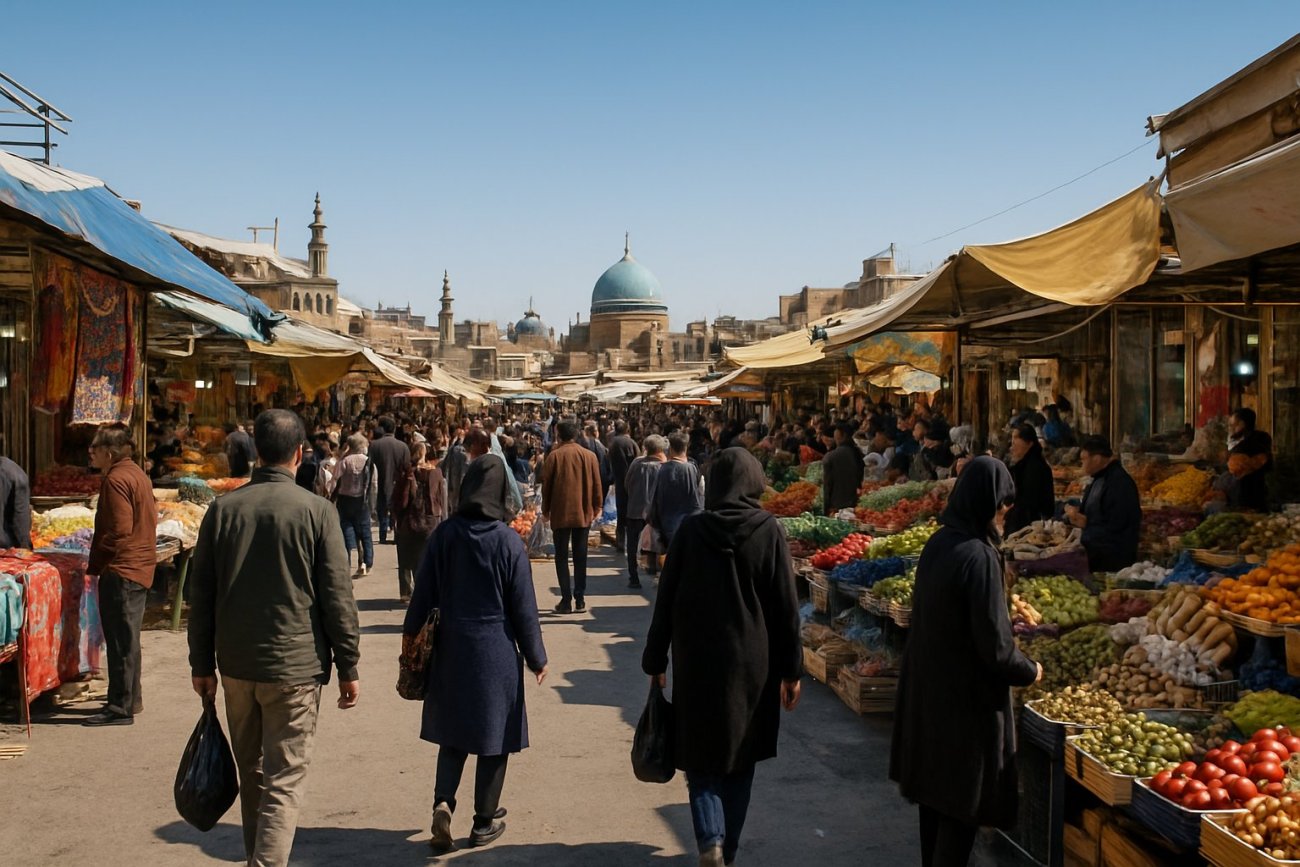
Economic tensions between the United States and Iran reached a new height after recent statements by U.S. President Donald Trump, who has vowed an "economic D-Day" against Tehran. This latest development has prompted Iranian officials to strategize on mitigating the potential impact of further sanctions. Mohammad Bagher Ghalibaf, Iran's chief negotiator in ongoing talks with Washington, emphasized the need for robust economic planning in light of these threats. "We must anticipate and overcome the adversities posed by these sanctions," Ghalibaf stated in Tehran, highlighting the urgency of the situation.
President Trump's administration has maintained a hardline stance on Iran, citing concerns over the country's nuclear program and regional influence. The reimposition of sanctions has already had a significant impact on Iran's economy, constraining its oil exports and limiting its access to international financial markets. As a result, Iran's GDP contracted by an estimated 6% in 2025, according to the International Monetary Fund (IMF).
The escalation in rhetoric comes as diplomatic efforts remain stagnant, with negotiations yielding little progress. U.S. Secretary of State Marco Rubio reiterated Washington's commitment to pressure Tehran until it meets the conditions laid out in previous agreements. "Our position remains firm: Iran must comply with international norms and responsibilities," Rubio asserted. This stance is supported by a coalition of U.S. allies, although some European nations have expressed concerns over the potential humanitarian impact of tightened sanctions.
In response, Iran is exploring alternative trade partnerships and boosting non-oil exports as part of its economic resilience strategy. The plan includes increasing trade with neighboring countries and expanding agricultural exports, which have seen a 10% growth in recent years. This diversification is crucial for Iran's economic stability, especially given the volatility of oil markets, which accounted for approximately 30% of its GDP in 2024.
The implications of these U.S.-Iran tensions extend beyond the region, potentially influencing oil prices globally. African and other developing nations, which often rely on stable energy prices, could face economic challenges if oil market disruptions occur. Furthermore, countries with significant Iranian trade ties might need to navigate the complexities of U.S. sanctions while seeking to maintain economic relations with Tehran.
As Iran braces for what could be an economically tumultuous period, the international community remains watchful of potential shifts in diplomatic strategies. The outcome of these tensions will likely have lasting effects on global economic dynamics, particularly in energy-dependent regions.




Comments
No comments yet — be the first.