
Canada-U.S. Trade War Escalates as Tariffs Take Effect
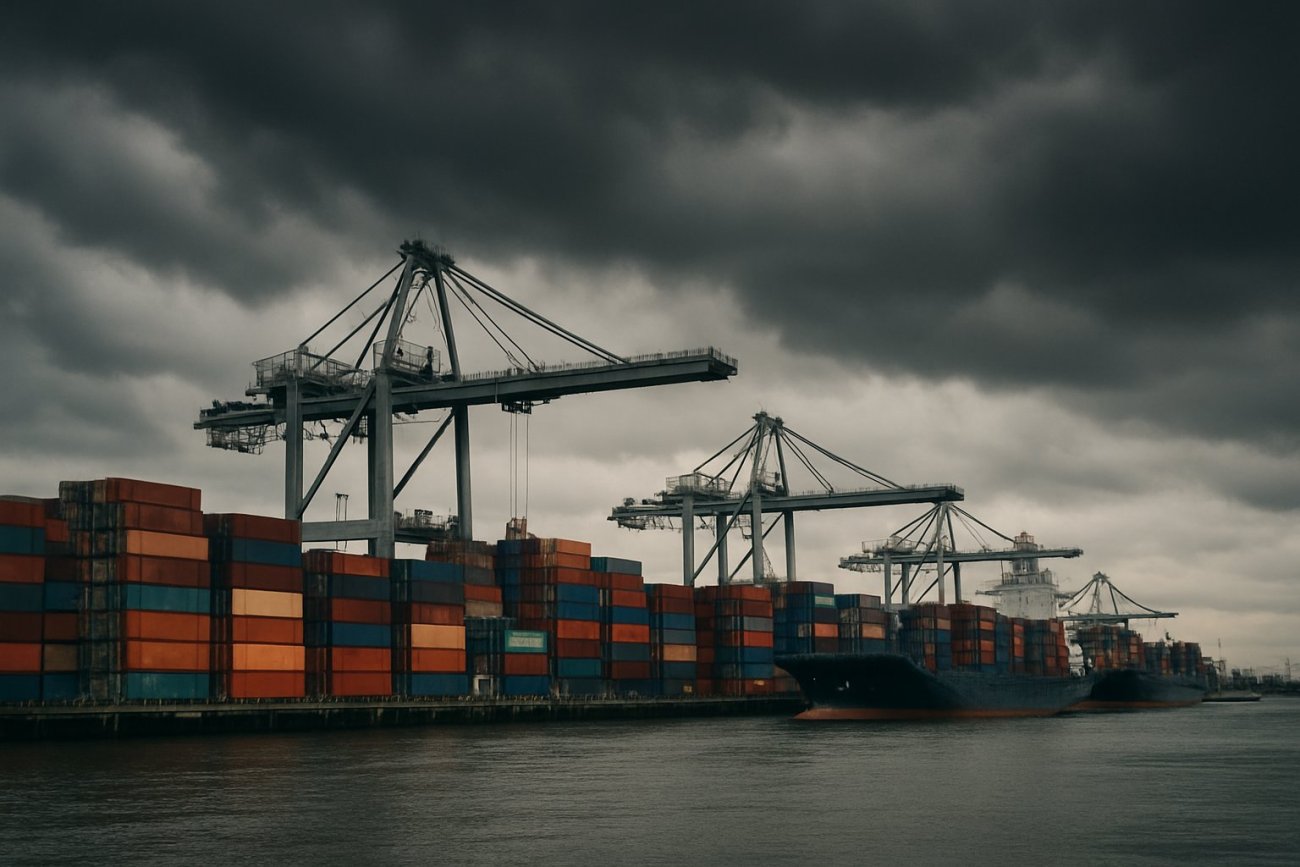
In a significant escalation of economic tensions, the trade relationship between the United States and Canada faces a potentially severe downturn as negotiations collapsed, leading to the imposition of tariffs. Talks in Washington ended without a compromise late Friday, marking the beginning of a trade war that could have far-reaching effects on both countries and potentially ripple through the global economy.
The trade row was ignited by new U.S. demands, which Canada's Prime Minister Mark Carney described as "untenable." Carney suspended talks, emphasizing Canada's position: "We remain open to discussions, but not under conditions of unilateral impositions that undermine our economic sovereignty." As a result, the United States, under President Donald Trump, has implemented tariffs on Canadian goods, prompting Canada to retaliate with its own levies.
U.S. Secretary of State Marco Rubio stated, "We are committed to protecting American industries from unfair practices," reinforcing the administration's stance on trade policy. The tariffs affect a wide range of products, including aluminum and agricultural goods, key sectors within the bilateral trade framework that was worth approximately $725 billion annually. These measures could impact prices and availability of goods, not only in North America but also in markets connected to these export flows.
Economic analysts warn that the disruption could have wider implications, potentially affecting global supply chains. The U.S. and Canada are among the world's largest trading partners, and economic instability in these markets may indirectly influence developing nations dependent on robust trade relations with either country. Meanwhile, multinational corporations operating in both jurisdictions are bracing for increased costs and logistical challenges.
In response to the tariffs, Canadian officials have expressed concerns about the potential for economic downturn. "We are evaluating options to support affected industries and workers," said a spokesperson from Canada's Ministry of Trade. This development comes amid a complex geopolitical landscape where trade policies serve as significant tools of influence.
The impasse reflects broader challenges in international trade, where rising protectionism threatens established economic partnerships. Experts suggest that prolonged conflict could lead to a reevaluation of trade strategies worldwide, impacting everything from currency fluctuations to investment decisions.
As the situation unfolds, both nations may seek alternative markets to mitigate losses, potentially altering trade dynamics with other nations. For developing countries, particularly those in Africa, the shift might open new avenues for trade relationships as Canada and the U.S. look beyond traditional partners.
The escalation underscores the critical importance of diplomacy in maintaining economic stability, with observers closely watching for any signs of a breakthrough in the negotiations. Until then, the global community remains alert to the potential for this trade war to reshape regional and international trade landscapes.






Comments
No comments yet — be the first.