
Tragedy Strikes as Landfill Collapse Claims 30 Lives in Guinea’s Capital
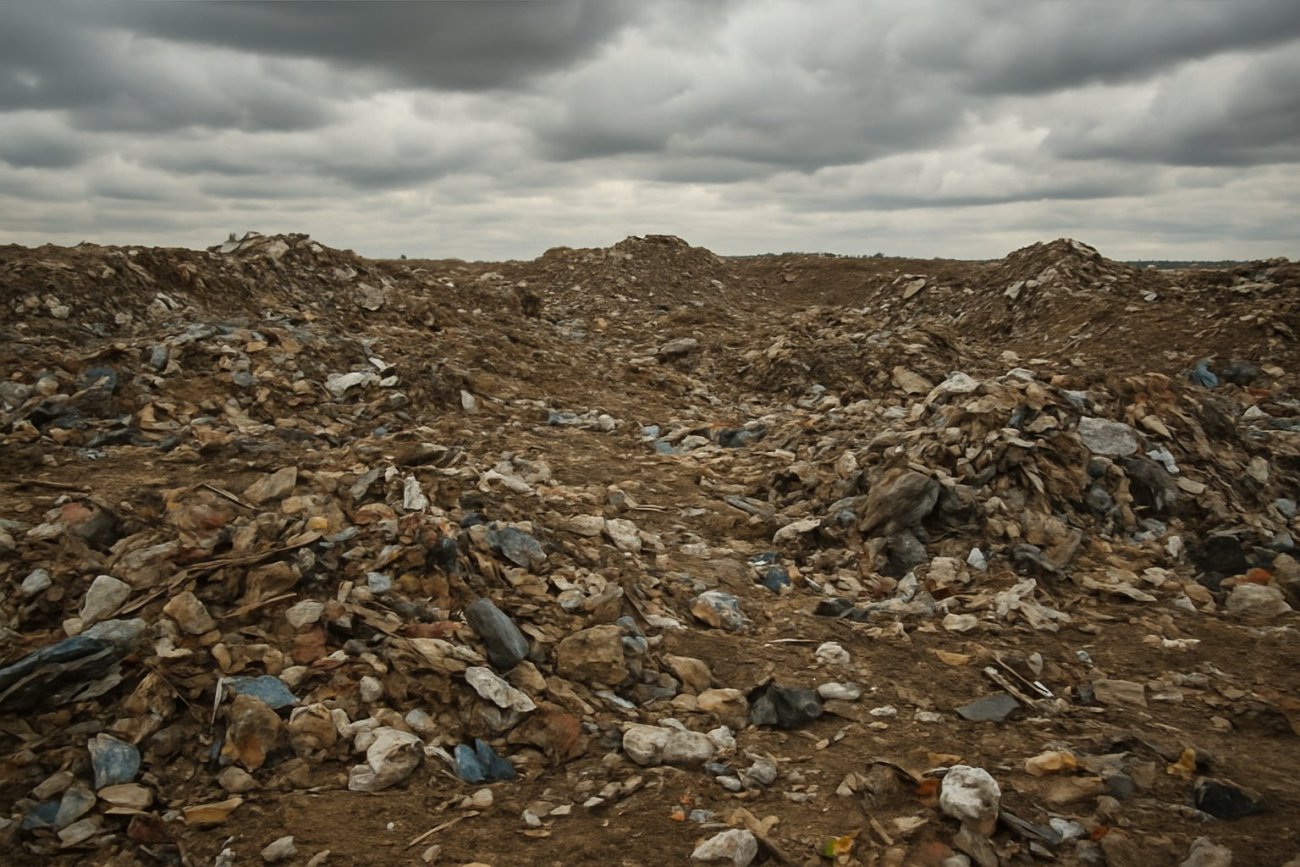
A catastrophic landfill collapse in Conakry, the capital of Guinea, has resulted in the deaths of at least 30 individuals following heavy overnight rains. The incident occurred at a major waste site where a significant mound of rubbish gave way, burying several homes and leaving a community in mourning.
Emergency services were quickly deployed to the scene, but the extent of the damage made rescue efforts challenging. Eyewitnesses reported hearing a loud rumble as the landfill collapsed, with families trapped beneath the debris. The heavy rains in the days leading up to the disaster had saturated the ground, contributing to the instability of the landfill.
The government confirmed the number of fatalities and stated that search and rescue operations were underway. Local authorities urged residents to stay away from the site due to the risk of further collapses. The tragic event has sparked a wave of grief and disbelief among the affected families and the wider community.
This incident is not an isolated occurrence. Landfill collapses have been a recurring issue in Guinea, where waste management systems often struggle to cope with increasing urbanization and population growth. Many neighborhoods are situated near these waste sites, which are not only hazardous but also pose significant health risks to residents.
In recent years, there have been calls for improved waste management practices and infrastructure to prevent similar tragedies. The rapid growth of Conakry has outpaced the development of adequate waste disposal systems, leading to a reliance on landfills that are often poorly maintained and overburdened.
The government has faced criticism for its handling of waste management and urban planning. Activists and community leaders have argued for greater investment in sustainable waste management solutions, including recycling programs and better waste collection services. They emphasize the need for comprehensive policies that prioritize the safety and well-being of residents living near waste sites.
As the community grapples with the aftermath of this disaster, many are calling for accountability and action from local authorities. Families who lost loved ones are demanding answers and support, while others are raising concerns about the safety of their own homes in proximity to the landfill.
The international community has also expressed its condolences and offered support to Guinea in the wake of this tragedy. Humanitarian organizations are preparing to assist those affected by the disaster, providing immediate relief and long-term support for recovery efforts.
The scale of the tragedy has reignited discussions about the urgent need for reform in waste management practices across Guinea. The government has pledged to investigate the circumstances surrounding the collapse and to implement measures to prevent future incidents.
As the search for survivors continues, the pain of loss is palpable in Conakry. The community is coming together to support one another during this difficult time, as they mourn the lives lost and seek justice for those affected.






Comments
No comments yet — be the first.