


Suspected Pesticide Poisoning Threatens Elephant Population in Kenya
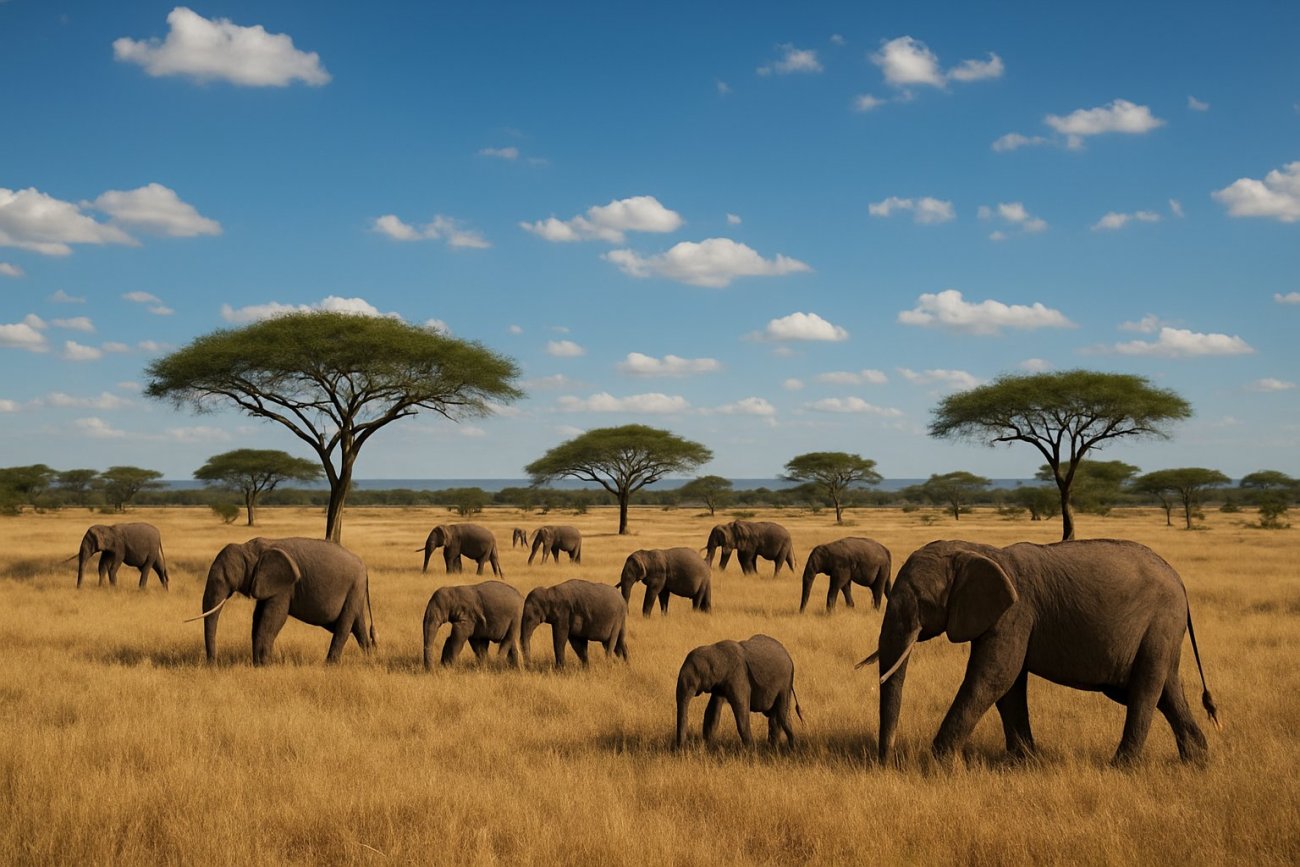
The suspected poisoning of elephants in Kenya has led to the arrest of four individuals as authorities investigate the potential use of harmful pesticides on nearby agricultural fields. The deaths of several elephants, believed to be linked to pesticides sprayed on tomato crops, have raised alarms about the broader implications for wildlife conservation and agricultural practices in the region.
The investigation centers on the use of agricultural chemicals in areas adjacent to elephant habitats. Kenyan authorities are scrutinizing whether these substances, intended to protect crops from pests, inadvertently became a hazard to the local elephant population. "We are looking into the agricultural practices in these areas and their compliance with existing environmental laws," said a spokesperson from Kenya's Wildlife Service. "The safety and preservation of our wildlife are paramount, and we are committed to finding the cause of these tragic deaths."
Pesticide poisoning is a growing concern globally, especially in regions where agricultural expansion intersects with wildlife habitats. The incident in Kenya underscores the delicate balance between agricultural productivity and environmental conservation. According to the World Wildlife Fund, pesticide exposure is one of the leading threats to biodiversity, impacting not just elephants but a wide range of species that play critical roles in maintaining ecological balance.
The elephant deaths in Kenya mirror challenges faced by many developing nations where economic pressures drive the intensification of agriculture at the expense of environmental health. This incident highlights the urgent need for internationally supported initiatives aimed at promoting sustainable farming practices that safeguard both human livelihoods and wildlife. In response to the situation, environmental advocacy groups are calling for stricter regulations on pesticide use and greater investment in wildlife-friendly agricultural technologies.
Dr. Paula Kahumbu, a noted Kenyan conservationist and CEO of WildlifeDirect, emphasized the need for collaborative efforts to address these issues. "We must work together to protect our shared ecosystems. This requires not only national policies but also international cooperation to ensure that our agricultural practices do not come at the cost of our natural heritage," she said in a recent statement.
As the investigation proceeds, the spotlight is on Kenya’s commitment to preserving its rich biodiversity while supporting its agricultural sector. The outcomes could shape future policies and influence how other nations address similar challenges. With Kenya being home to some of the world's most iconic wildlife species, the resolution of this case may serve as a critical benchmark for conservation efforts across the globe.






Comments
No comments yet — be the first.