
Flash floods on Nepal-Tibet border kill at least 95, hundreds of tourists missing
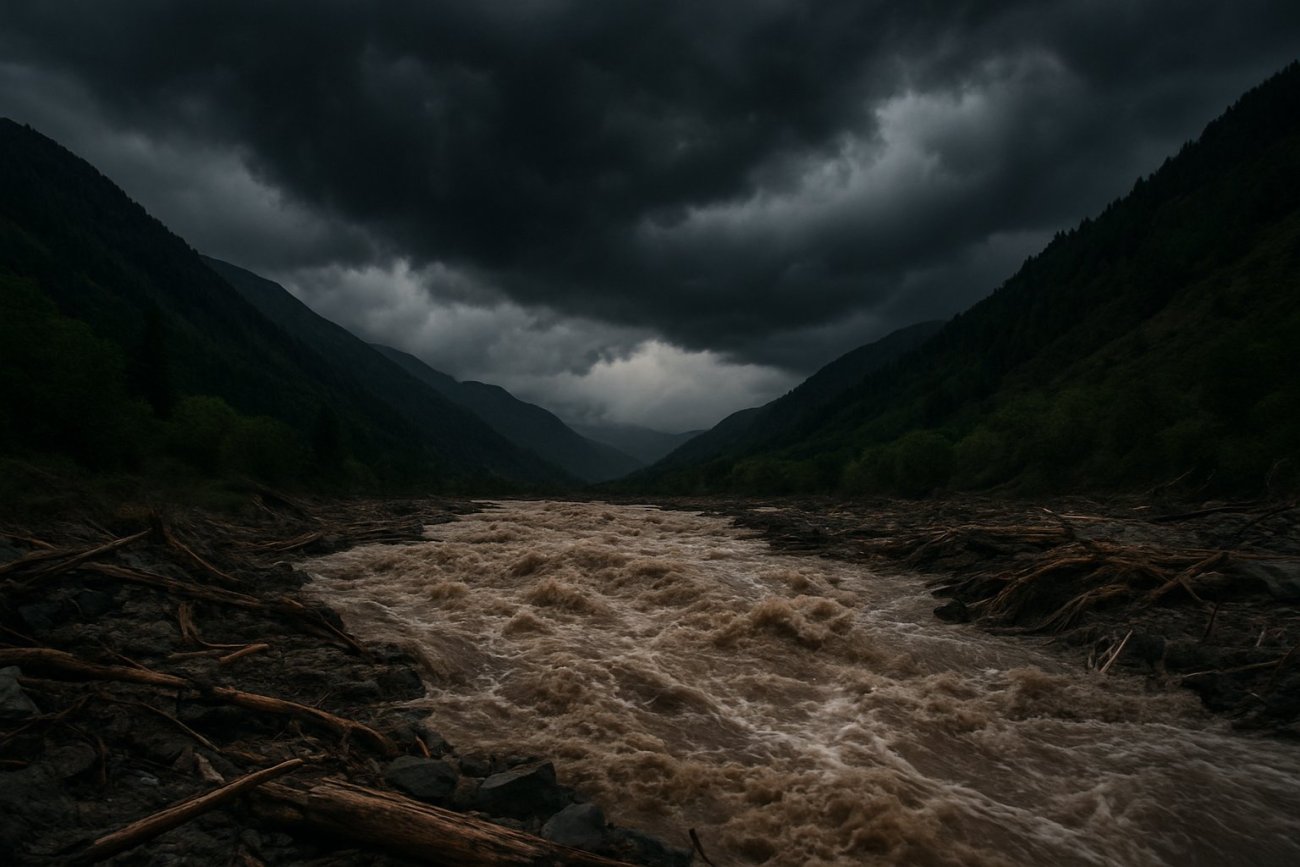
At least 95 people have been confirmed dead following catastrophic flash floods that struck the Nepal-Tibet border, with hundreds of foreign tourists reported missing. The floods occurred after a massive wall of water surged through a Himalayan river valley, devastating villages and sweeping away homes and infrastructure, according to Nepali authorities.
The disaster unfolded in the early hours of the morning when an ice avalanche from a high-altitude glacier is believed to have triggered the flooding. Initial assessments of satellite imagery support this theory, indicating that the sudden release of water from the glacier cascaded down into the valley, creating a torrent that overwhelmed the region.
Among those missing are over 100 Indian pilgrims who were traveling to or from a revered Himalayan peak, known in Hindu tradition as the spiritual home of the god Shiva. This has raised concerns not only for the safety of these individuals but also for the broader implications on the pilgrimage tourism that is significant in this region.
The Nepalese government has mobilized rescue teams and is coordinating with international agencies to locate the missing tourists. Efforts are complicated by the remote and rugged terrain of the region, which has made access to affected areas challenging. Helicopters have been deployed to assist in search and rescue operations, but the scale of the disaster has overwhelmed local resources.
This incident marks one of the deadliest natural disasters in recent years in the region, highlighting the increasing vulnerability of communities in the Himalayas to climate-related events. The flash floods serve as a stark reminder of the impacts of climate change, as rising temperatures lead to accelerated glacier melt and increased risks of avalanches and flooding.
The significance of this event extends beyond the immediate loss of life and property. It raises critical questions about disaster preparedness and response mechanisms in mountainous regions that are prone to such catastrophes. For the Kenyan diaspora, particularly those with ties to the region or interests in travel and tourism, this tragedy underscores the importance of understanding the environmental challenges that affect popular travel destinations.
As the situation develops, there are growing calls for international support and aid to assist the affected communities. The floods have not only devastated local infrastructure but have also disrupted the livelihoods of many residents who depend on tourism and agriculture. The international community's response will be crucial in the coming days as recovery efforts are initiated.
In addition to the immediate humanitarian crisis, the floods may have long-term implications for the region's economy, especially in tourism, which has been a significant source of income for many communities. The loss of life and property could deter future visitors, impacting the livelihoods of those who depend on tourism.
As rescue operations continue, the global community watches closely, with many expressing solidarity with the victims and their families. The tragedy serves as a reminder of the interconnectedness of our world, as the effects of climate change and natural disasters know no borders.
For Kenyans living abroad, particularly those engaged in humanitarian efforts or with family ties in the region, this event may prompt discussions on how they can contribute to relief efforts. Organizations are likely to mobilize resources to assist in the recovery, and individuals may seek ways to support their communities back home.
The unfolding situation at the Nepal-Tibet border is a stark reminder of the vulnerabilities faced by communities worldwide in the face of natural disasters. As the search for the missing continues, the hope remains that more lives can be saved and that lessons learned from this tragedy will lead to improved disaster preparedness in the future.






Comments
No comments yet — be the first.