
Death toll nears 800 after Himalayan glacier collapse
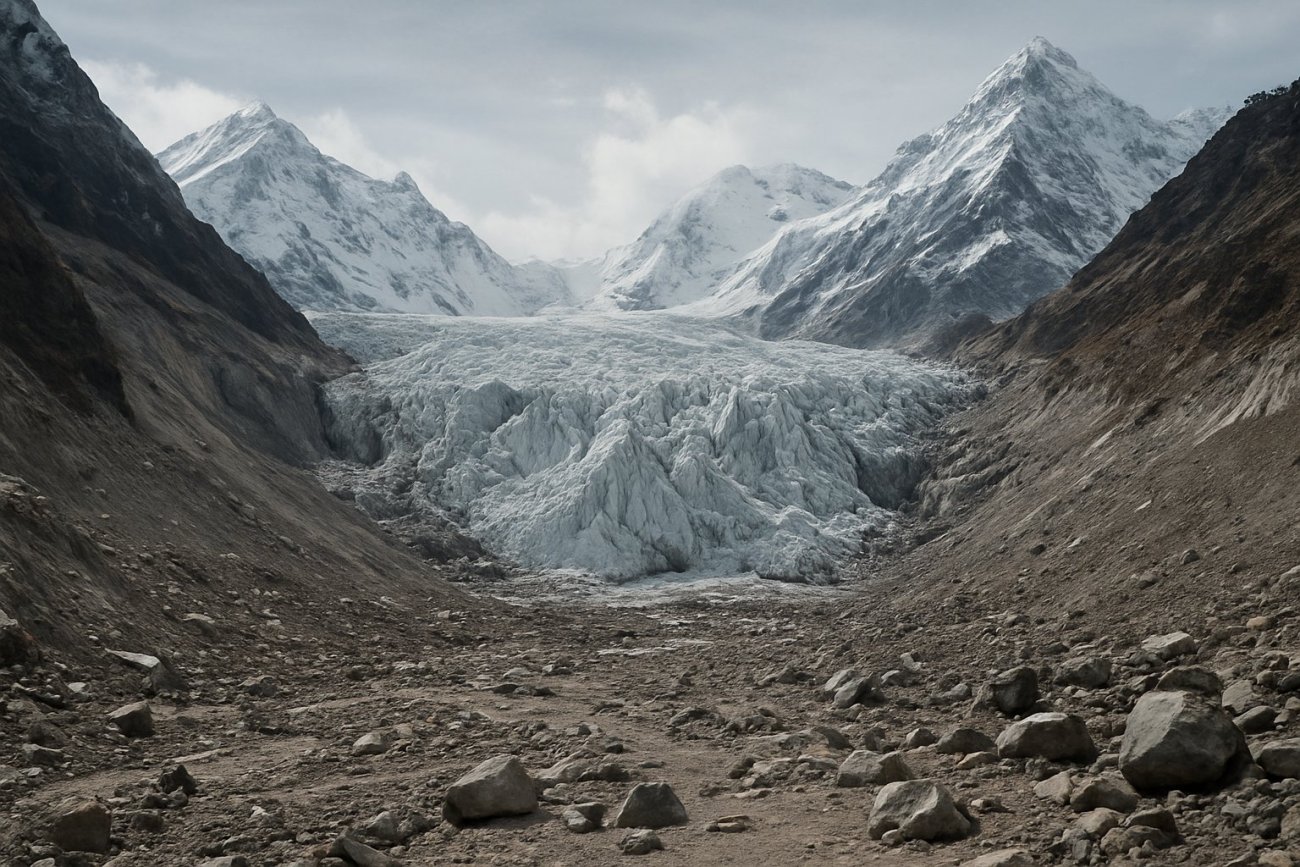
A catastrophic glacier collapse in the Himalayas has resulted in a staggering death toll that is approaching 800 individuals. The disaster occurred in the mountainous regions of Nepal and China, prompting specialized search-and-rescue teams to mobilize for recovery operations across both countries. The incident highlights the growing dangers associated with climate change and its impact on glacial stability in high-altitude regions.
Authorities have reported that the glacier collapse unleashed a massive avalanche that swept through remote villages, burying homes and trapping residents under tons of ice and debris. Rescue efforts have been hampered by challenging weather conditions and the difficult terrain, complicating access for emergency responders. The scale of the disaster has drawn international attention, with offers of assistance pouring in from various countries.
This tragic event marks one of the deadliest natural disasters in the region in recent years, raising alarm about the increasing frequency of such incidents as global temperatures continue to rise. Climate scientists have long warned that the melting of glaciers poses significant risks to communities living in proximity to these ice masses, especially in the Himalayas, which are home to some of the largest glaciers in the world.
The implications of this disaster extend beyond immediate humanitarian concerns. For the Kenyan diaspora and other African communities, it serves as a stark reminder of the interconnectedness of global environmental issues. Many members of the diaspora maintain ties to their home countries, where climate change is also a pressing concern. The effects of rising temperatures and extreme weather patterns are being felt across Africa, threatening food security, water resources, and overall livelihoods.
As rescue operations continue, the focus will inevitably shift towards recovery and rebuilding efforts. The international community's response will be crucial in providing the necessary support for the affected regions. This incident underscores the urgent need for global cooperation in addressing climate change and its devastating impacts on vulnerable populations.
In the wake of the glacier collapse, discussions around climate resilience and adaptation strategies are expected to gain momentum. Countries around the world, including those in Africa, will need to consider how to mitigate the effects of climate change and protect their populations from similar disasters in the future. The Kenyan diaspora, many of whom are engaged in advocacy and environmental initiatives, may find new avenues to contribute to these efforts as awareness of climate issues grows.
The situation remains fluid as recovery teams work tirelessly to locate survivors and provide aid to those affected. As the death toll rises, the need for immediate humanitarian assistance becomes increasingly critical. The global community watches closely, ready to respond to the needs of the victims and their families in this time of crisis.




Comments
No comments yet — be the first.