
Iran war live: IRGC attacks US bases in Jordan after US bombs Larak Island
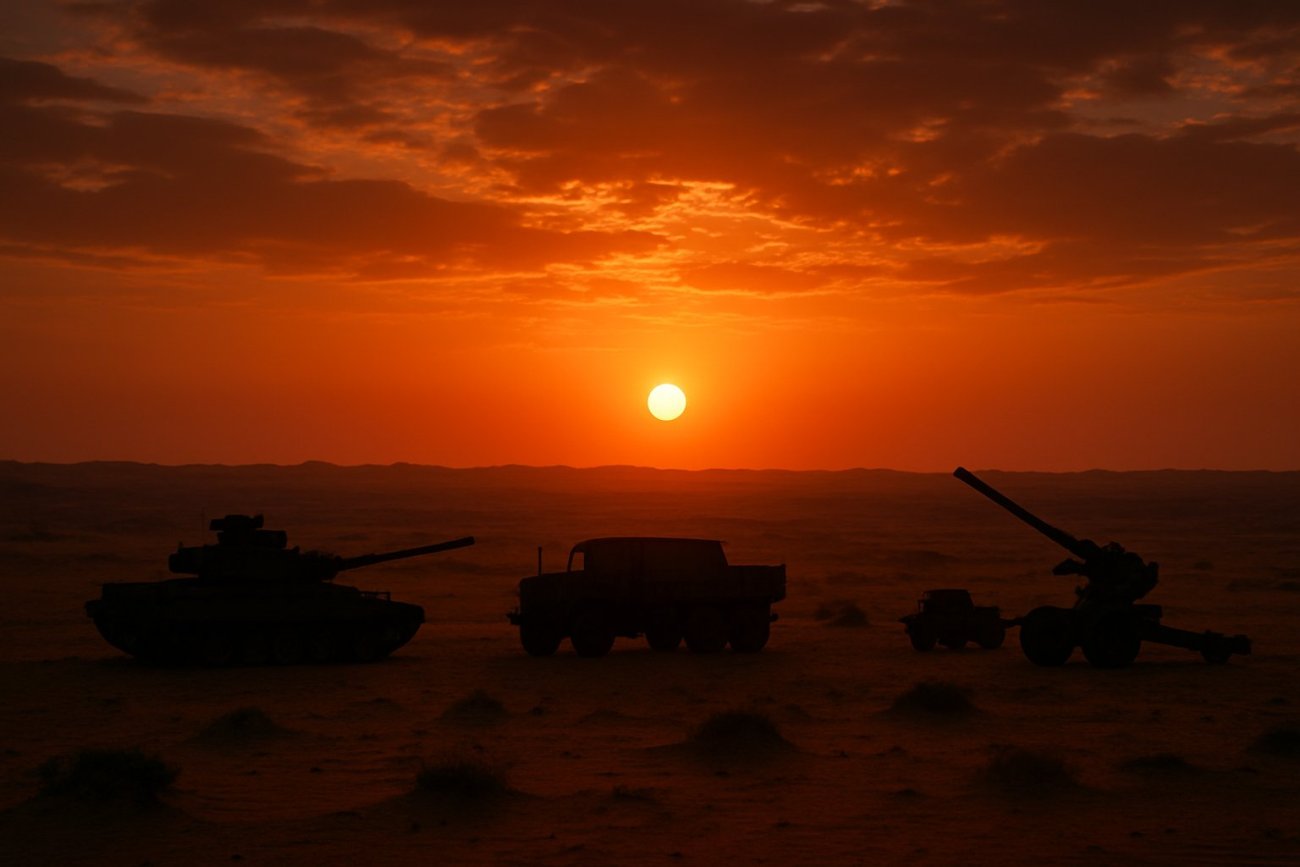
Tensions between the United States and Iran have reached another critical juncture following reciprocal military strikes in the Middle East. On Saturday, the United States Central Command confirmed that its forces conducted targeted airstrikes on Larak Island, Iran, aiming to disable two rocket launchers operated by the Islamic Revolutionary Guard Corps (IRGC). These launchers were reportedly responsible for launching attacks on U.S. interests in the region.
The U.S. military action on Larak Island, located in the Persian Gulf, underscores the ongoing volatility in U.S.-Iran relations. "This action was a necessary defensive response to protect our personnel and allies," a spokesperson for the U.S. Central Command stated, emphasizing that the strikes were conducted in accordance with international law.
In retaliation, the IRGC launched attacks on U.S. military bases situated in Jordan. The IRGC's actions mark a significant escalation, as Jordan has traditionally served as a stable partner to the United States in the region. The extent of damage and casualties resulting from these attacks has not been fully disclosed. However, the IRGC's aggressive response showcases the deepening hostilities.
The IRGC has justified its actions as a countermeasure against U.S. military aggression. An IRGC statement declared, "We will not tolerate any infringement on our security and will respond to any provocation with full force." This rhetoric is reflective of Iran's longstanding position of resistance against U.S. military involvement in the Middle East.
The escalation in hostilities draws international concern, highlighting the potential for broader conflict in a region already fraught with geopolitical tensions. Observers note that this conflict holds implications beyond the immediate U.S.-Iran dynamic. For developing nations in the region, such conflicts often lead to destabilization, impacting economies and security frameworks.
Global reactions have been mixed, with calls from some nations for de-escalation and dialogue. The United Nations has urged both countries to exercise restraint and adhere to peaceful resolution mechanisms. "The situation requires calm and diplomatic engagement to prevent further escalation," a UN representative commented.
As the situation unfolds, the international community remains watchful of potential developments, especially with regard to any further military engagements. The current trajectory suggests a volatile path ahead, underscoring the necessity for diplomatic intervention. The strategic maneuvers by both the U.S. and Iran will likely shape the geopolitical landscape of the Middle East in the coming months.



Comments
No comments yet — be the first.