
Zimbabweans Abroad Raise Alarm Over Political, Economic and Human Rights Crisis
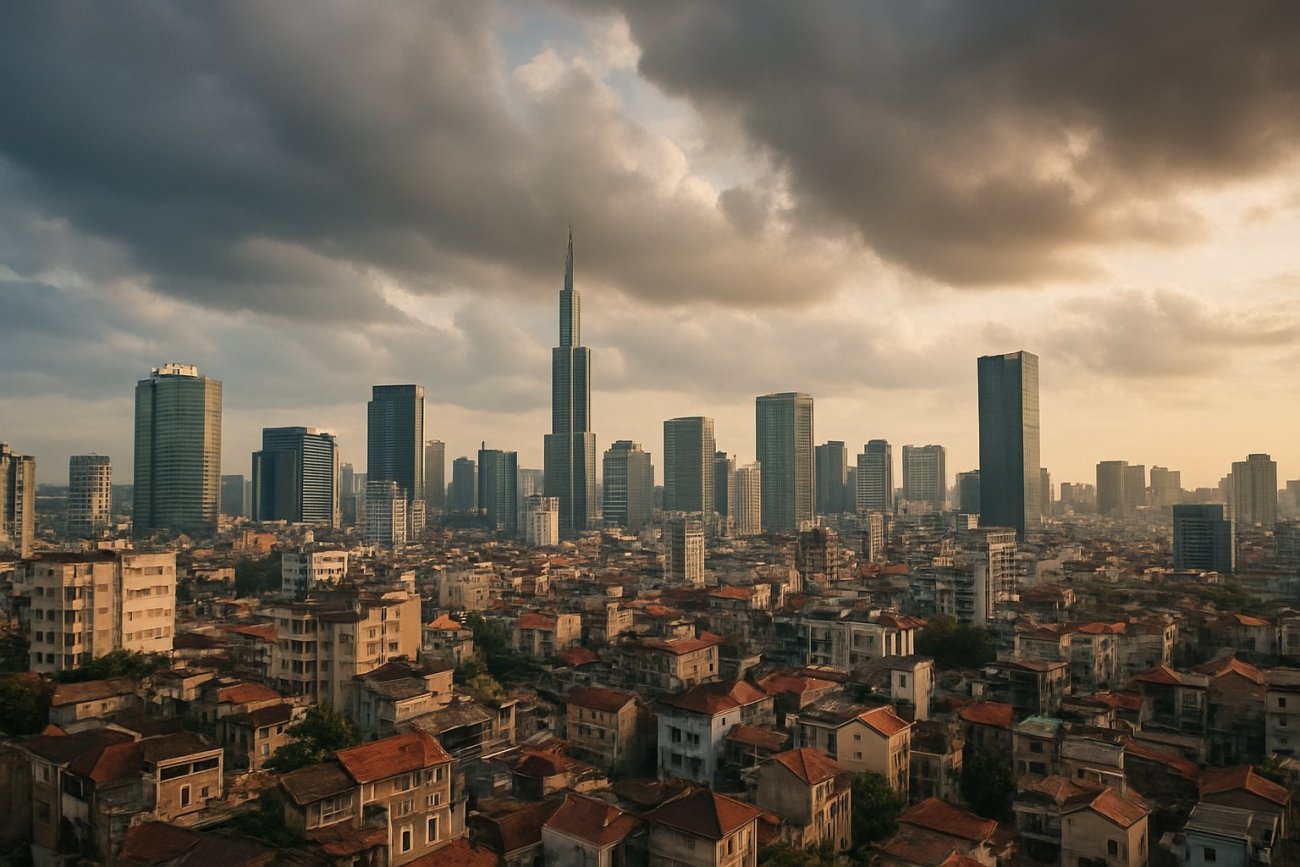
Zimbabweans residing outside the country are expressing growing concern over the deteriorating political, economic, and human rights situation within Zimbabwe. Recent reports indicate that these expatriates are increasingly alarmed by the challenges facing their homeland, as they witness a persistent exodus of citizens seeking refuge and better opportunities abroad.
The pressure on Zimbabwe's political system has intensified, with critics pointing to the government's handling of economic policies and human rights practices. Economic instability continues to plague the nation, with inflation rates soaring and basic commodities becoming increasingly scarce. Expatriate communities are urging for a reconsideration of governance approaches to address these dire conditions.
Political figures and analysts outside Zimbabwe have voiced their concerns regarding the situation. "The current trajectory in Zimbabwe is unsustainable," warned a spokesperson for a prominent human rights organization based in London. "We are witnessing a significant brain drain as skilled professionals are leaving in search of stability and opportunity, which is not only a crisis for Zimbabwe but also a loss for global development."
Amnesty International has previously highlighted abuses in Zimbabwe, citing concerns over the government's response to dissent and its treatment of opposition groups. "The international community must not ignore the plight of Zimbabweans," said Agnes Callamard, Secretary General of Amnesty International. "There is an urgent need for dialogue and reform to prevent further human rights violations and economic decline."
With Zimbabwe's diaspora playing an influential role in drawing international attention to the crisis, there are increasing calls for regional and global entities to intervene diplomatically. Analysts suggest that constructive engagement, coupled with support for democratic processes, may be pivotal in reversing Zimbabwe's fortunes.
The African Union and Southern African Development Community have been urged to take a more active stance in facilitating dialogue between the Zimbabwean government and opposition forces. Political analyst and former diplomat, Michael Ndlovu, emphasized, "Regional leadership is crucial in mediating a path forward that prioritizes human rights, governance reform, and economic recovery."
The unfolding situation in Zimbabwe highlights broader implications for developing nations grappling with similar challenges. The need for transparent governance, robust economic policies, and human rights protections remains critical in ensuring stability and growth across the continent. As the world watches, Zimbabwe's expatriate community continues to raise its voice, advocating for change and a brighter future for their homeland.




Comments
No comments yet — be the first.