
Saudi Arabia and Yemen’s Houthis Edge Back to the Brink of War
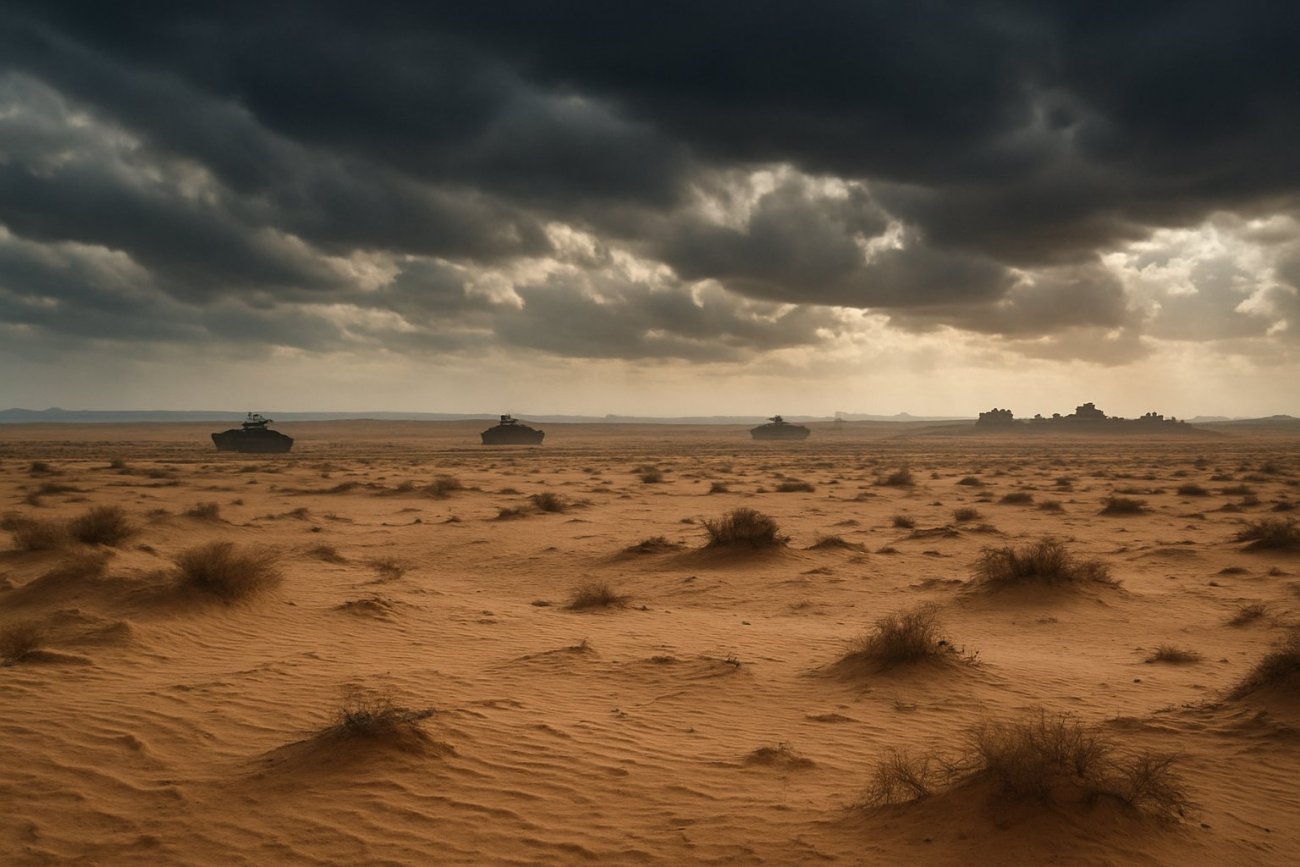
Saudi Arabia and Yemen's Houthi rebels are once again teetering on the brink of renewed conflict, as tensions have escalated with recent attacks and subsequent retaliatory vows. The Saudi authorities have reported numerous injuries resulting from the assaults attributed to the Iran-backed Houthi militia, which operates from Yemen. This resurgence of hostilities comes after a period of relative calm that had raised hopes for a lasting peace in the war-torn region.
In the latest developments, Saudi officials disclosed that dozens of individuals sustained injuries in the recent attacks launched by the Houthis. The specifics of the attacks have not been fully detailed, but the Saudi authorities have expressed their determination to retaliate against these aggressive actions. This brewing conflict threatens to undermine international efforts aimed at stabilizing the region and providing humanitarian relief to the Yemeni population, which has suffered immensely from years of warfare.
The Yemeni conflict, which erupted in 2014, has drawn in regional and global powers, with Iran providing support to the Houthi rebels and Saudi Arabia leading a coalition of Arab states in support of the Yemeni government. Despite various attempts to broker peace, including United Nations-led initiatives, the conflict has persisted, leading to one of the world's most severe humanitarian crises. The United Nations has consistently called for ceasefires and dialogues, stressing the need for a political solution to end the suffering of millions of Yemeni citizens.
The recent escalation comes at a delicate time, as various stakeholders have been engaged in diplomatic efforts to revive peace talks. The international community has expressed concerns that the renewed violence could derail these efforts and exacerbate the humanitarian situation. The Gulf region, already a hotspot for geopolitical tensions, faces the risk of further destabilization should the conflict spill over, affecting neighboring countries and global oil markets.
As the situation unfolds, observers are closely monitoring the actions of both Saudi Arabia and the Houthis, as well as the responses from key international players. The potential for an expanded conflict poses significant risks, not only for the Middle East but also for developing nations that might be impacted by shifts in oil prices and disruptions in regional trade routes. The urgency for renewed diplomatic interventions and conflict resolution mechanisms remains critical to avert a full-scale confrontation.





Comments
No comments yet — be the first.