
US Repeatedly Votes Against Africa's Interests At the UN
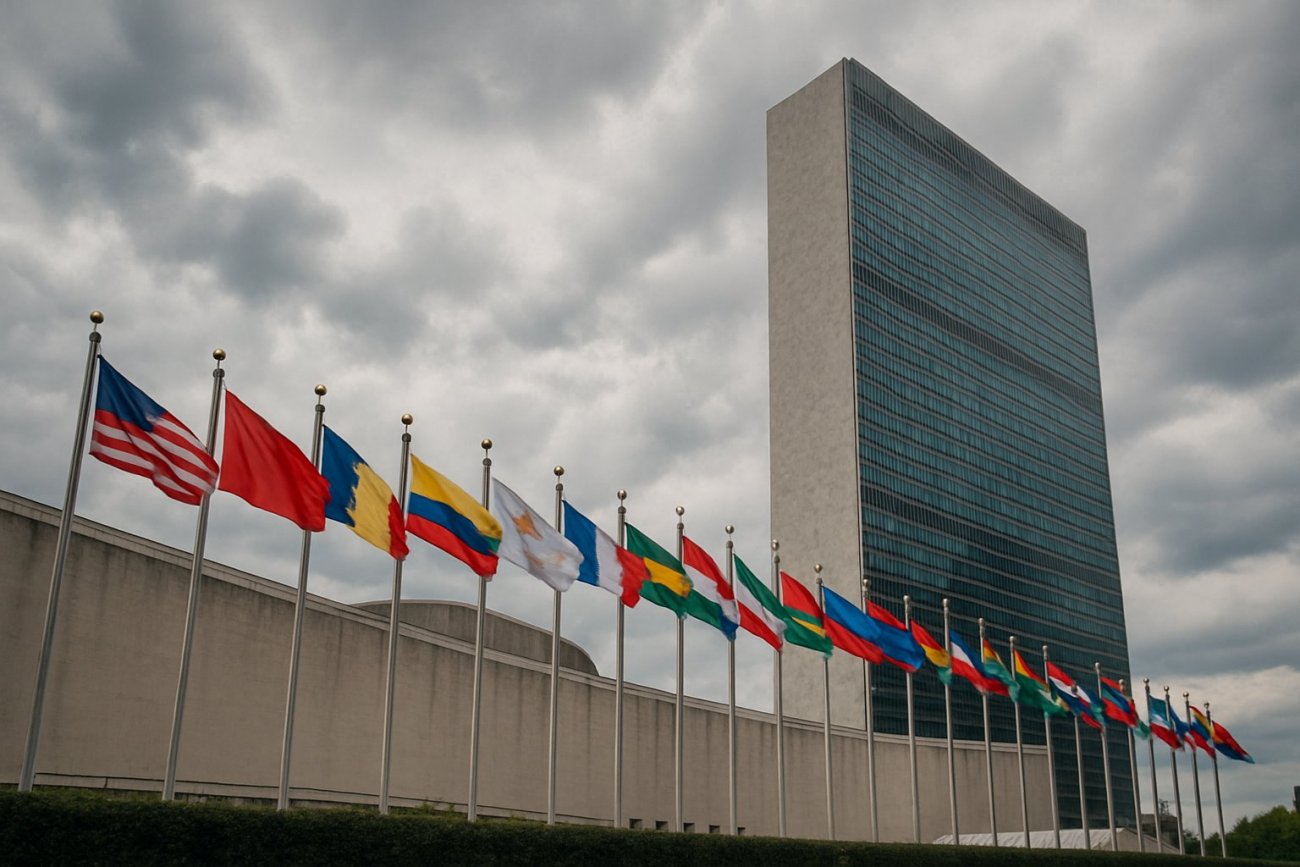
The United States cast the sole opposing vote against a recent Africa-sponsored resolution at the United Nations, according to reports by Premium Times. The resolution, which sought to address issues pertinent to African interests, highlights ongoing tensions between African states and the current U.S. administration under President Donald Trump.
The resolution in question underscores a persistent pattern of U.S. voting behavior at the UN that appears contrary to the interests of African nations. Although specific details about the resolution have not been disclosed, such votes typically involve matters related to development, peacekeeping, and economic support where African countries seek broader international cooperation and assistance.
This development is significant as it reflects wider geopolitical dynamics where developing nations often seek to leverage the platform provided by the UN to advocate for their needs and challenges. The opposition from a major global power like the U.S. could hinder progress on initiatives aimed at bolstering Africa's economic and social landscape.
Observers note that this pattern of voting may impact U.S.-Africa relations, which have experienced fluctuations over the years. Initiatives such as the African Growth and Opportunity Act (AGOA) and various trade partnerships are often seen as tools to enhance the continent's development. However, decisions at international forums like the UN can influence diplomatic relations and affect how these initiatives are perceived and implemented.
As Africa continues to address pressing challenges such as climate change impacts, economic recovery, and security issues, the role of international cooperation remains crucial. The stance taken by the U.S. at the UN could shape future discussions and negotiations involving African interests.
While the resolution may not have passed due to the U.S. opposition, it brings to the forefront the ongoing need for dialogue and consensus-building on the global stage. The implications of such a voting pattern may encourage African nations to seek alliances with other global powers that are more supportive of their agendas.





Comments
No comments yet — be the first.