

WMO Warns El Niño Could Be Among Strongest Recorded in More Than 70 Years
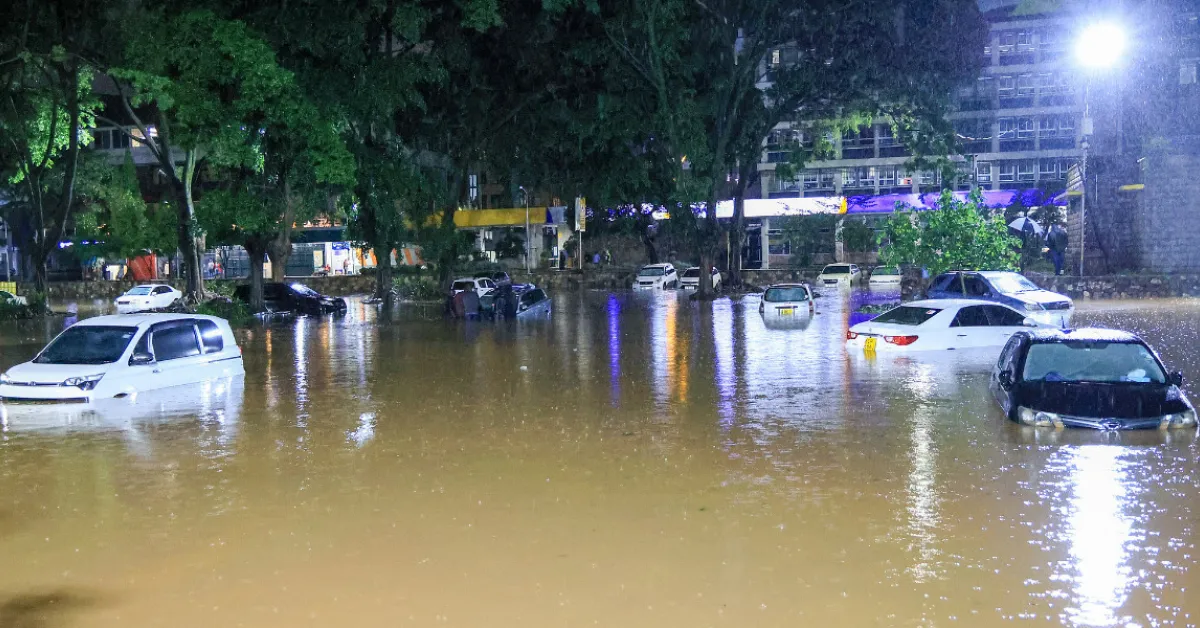
The World Meteorological Organisation (WMO) has warned that the current El Niño event is strengthening rapidly and could become one of the strongest recorded in more than 70 years.
In its latest assessment, the WMO said the climate pattern is expected to reach peak intensity in December. Forecast models indicate that it could rank among the strongest El Niño events recorded since the mid-20th century.
The organisation expects the event to continue into early 2027, with an almost certain likelihood of persistence through February. WMO Secretary-General Celeste Saulo said El Niño was now firmly established and intensifying rapidly.
El Niño can disrupt normal weather patterns across different parts of the world. It can increase rainfall and flood risks in some regions while causing higher temperatures, dry conditions and drought in others.
Kenya has stepped up preparations as the forecast points to an increased risk of extreme weather. The government has activated emergency measures under the National Contingency Plan, including preparations for evacuations, logistics and coordination between security and humanitarian agencies.
The Kenya Coast Guard Service, Kenya Defence Forces, National Police Service, National Youth Service and Kenya Red Cross are among the institutions expected to support rescue and relief operations if conditions worsen. Their involvement reflects experience from previous floods, which have displaced communities and disrupted transport infrastructure.
Weather conditions in Kenya have so far been uneven. Earlier forecasts indicated that the effects of El Niño would become more pronounced from late September into October, but rainfall has varied significantly across the country. Some areas have received limited rainfall, while others have experienced different weather conditions from those initially expected.
The variation highlights the difficulty of translating a large-scale climate pattern into specific local weather conditions. Although El Niño can provide a strong indication of broader atmospheric changes, its effects can differ between regions and may not appear at the same time.
This uncertainty presents challenges for planning in Kenya, where agriculture, water resources and transport systems are highly dependent on weather conditions. Authorities must therefore prepare for possible extreme rainfall while accounting for variations in the timing and distribution of precipitation.
The latest WMO forecast indicates that preparedness measures will need to remain in place in the coming months. Kenya and other countries facing elevated risks will have to maintain emergency response capacity as the event develops.
The prolonged nature of the forecast also highlights the need for disaster planning that extends beyond immediate emergency measures. Flooding, drought and other weather extremes can place significant pressure on infrastructure, livelihoods and public services, making preparedness and long-term resilience important elements of climate risk management.



















Add new comment