


Ebola Scare in Kenya: 20 Discharged From Quarantine as 98 Remain Under Monitoring
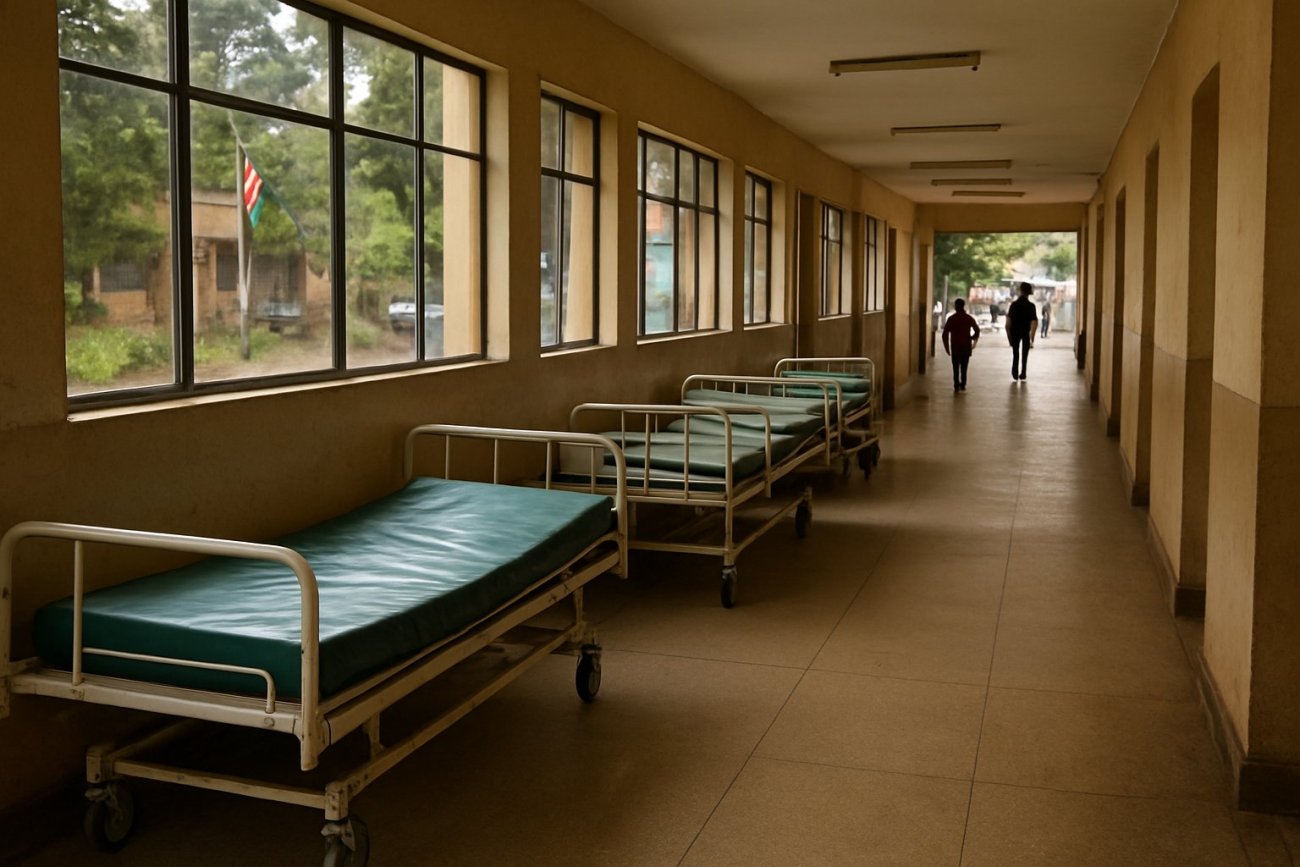
Twenty people have been discharged from quarantine in Kenya, with 98 others remaining under monitoring as an Ebola scare continues to draw intense public attention across the country.
The discharges come amid a health scare centred on the Kenyan capital, Nairobi, where a quarantine centre has been operating. The Daily Nation, one of Kenya's most widely read newspapers, has published a first-person account from inside the facility under the headline "My life in Nairobi's Ebola quarantine centre," describing daily life at the site.
The reported figures show that 20 people have now been allowed to leave quarantine while 98 remain held. No further details were available about those discharged, including the circumstances of their admission or their release.
Quarantine is one of the principal tools used worldwide to contain Ebola, a viral haemorrhagic fever and one of the deadliest diseases known to infect humans. The virus passes from person to person through direct contact with the blood, secretions, organs or other bodily fluids of infected people, and through contact with surfaces and materials such as bedding and clothing contaminated with those fluids. The average case fatality rate is around 50 percent, with rates in past outbreaks ranging from 25 percent to 90 percent.
The virus is believed to be transmitted to humans from infected wild animals, with fruit bats considered the likely natural host. Burial ceremonies involving direct contact with the body of a person who has died of Ebola can also spread the virus, and health workers have frequently been infected while caring for patients. People are not infectious until they develop symptoms.
Under standard practice, people placed in Ebola-related quarantine are kept in isolation, have their temperature checked regularly and are watched closely for signs of illness. They are typically released once they have completed the observation period without developing symptoms.
Symptoms of Ebola virus disease begin with fever, fatigue, muscle pain, headache and sore throat, and can progress to vomiting, diarrhoea and, in some cases, internal and external bleeding. The incubation period, the interval between infection and the onset of symptoms, ranges from two to 21 days, which is why monitoring periods for possible exposures are set at 21 days.
Outbreaks of Ebola have occurred periodically in Africa since the virus was first identified in 1976 near the Ebola River in what is now the Democratic Republic of Congo. The largest recorded outbreak swept through Guinea, Liberia and Sierra Leone between 2014 and 2016, killing more than 11,000 people, and was declared a public health emergency of international concern by the World Health Organization.
The Democratic Republic of Congo has experienced repeated outbreaks of the Zaire strain of the virus. Two monoclonal antibody treatments are approved for Zaire Ebola virus disease, and a licensed vaccine protects against the Zaire strain, but neither the treatments nor the vaccine covers the Sudan strain that caused the 2022 outbreak in Uganda.
The scare has driven a sharp rise in online searches and social media sharing in Kenya, with the quarantine figures among the most urgently sought news items in the country. Searches related to Ebola symptoms, quarantine procedures and the Nairobi centre have risen sharply, and updates on the numbers held have been widely shared across social media platforms.
Countries across East Africa have in the past reinforced screening at airports and border crossings during regional Ebola outbreaks, and entry-point checks, typically involving temperature screening and health questionnaires for arriving travellers, have formed part of the response to previous emergencies in the region.
The 98 people who remain in quarantine in Kenya continue to be monitored as the observation process proceeds.





Comments
No comments yet — be the first.