
Churches and Mosque Face Demolition in Makongeni to Clear Way for Affordable Housing Project
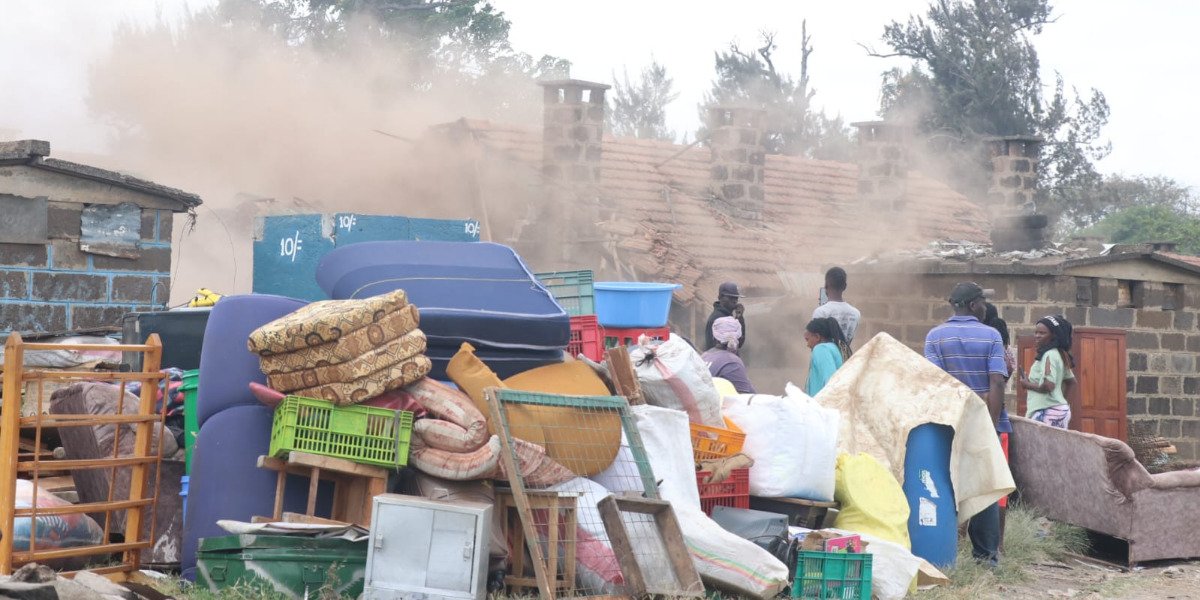
Several churches and a mosque in Makongeni Estate, Nairobi, face demolition as part of the government’s affordable housing project.
Authorities have ordered the institutions to vacate, with demolitions set to begin this week. Among the affected places of worship are Makongeni SDA Church, Legio Maria Church, Join Gospel Church, and Makongeni Mosque.
Some temporary structures have already been dismantled, while permanent and semi-permanent buildings remain occupied. Religious leaders are seeking clarification on compensation and alternative relocation options.
The demolitions have raised concerns among worshippers, who view the institutions as vital to the community’s social fabric. Pastor Nicholas Kisavi of the Synagogue of Praise for All Nations Church expressed frustration over the abrupt nature of the eviction. He explained that despite ongoing discussions with Kenya Railways, church leaders were given little time to clear their property.
"Officers arrived on Wednesday morning, removed our church fence, and warned that if we hadn't vacated by 4 pm, the building would be demolished," Kisavi said.
He argued that vacating the premises within hours was unrealistic, especially considering the church houses equipment and provides shelter for displaced families. Kisavi appealed for a three-month extension to secure alternative land, affirming that the congregation had invested approximately Sh6 million in the property over the past nine years.
The impact on residents is also evident. Joyce Njeri, a widow living in the church with her three children, expressed concern over the lack of housing options. "This church has been our home," she said. "I don't know where to go now."
Leaders of Makongeni SDA Church shared similar worries, noting their two-decade-long presence on the site and substantial investment in permanent structures, which are now threatened by the eviction. Makongeni Mosque faces similar challenges. Worshippers argue that demolishing the mosque would leave many residents without a place to pray.
"If the government is building new houses, where will people worship? If money is the issue, we are willing to buy this land. We are not leaving," said Yusuf Isack, a member of the mosque.
Government officials, however, insist that the eviction process has been transparent. Makadara Deputy County Commissioner Philip Koima defended the move, stating that institutions and residents were given ample notice and personal visits to explain the timelines.
"A bulldozer has already demolished the Legio Maria Church," Koima said, emphasising that the government had exercised patience but was now compelled to move forward with the planned demolitions.
The controversy has also drawn political attention. Makadara MP George Aladwa led protests, citing inconsistencies in the eviction process. While many residents complied with the order, some businesses on the site remain untouched, creating tensions.
"We supported the removal of residents to make way for the new houses, but the fact that some businesses remain is causing unrest," Aladwa said.
He warned that further delays in clearing the site could jeopardise the government's target of delivering new housing within two years.



Comments
No comments yet — be the first.