
Trump Administration Expands US Travel Ban to 39 Countries
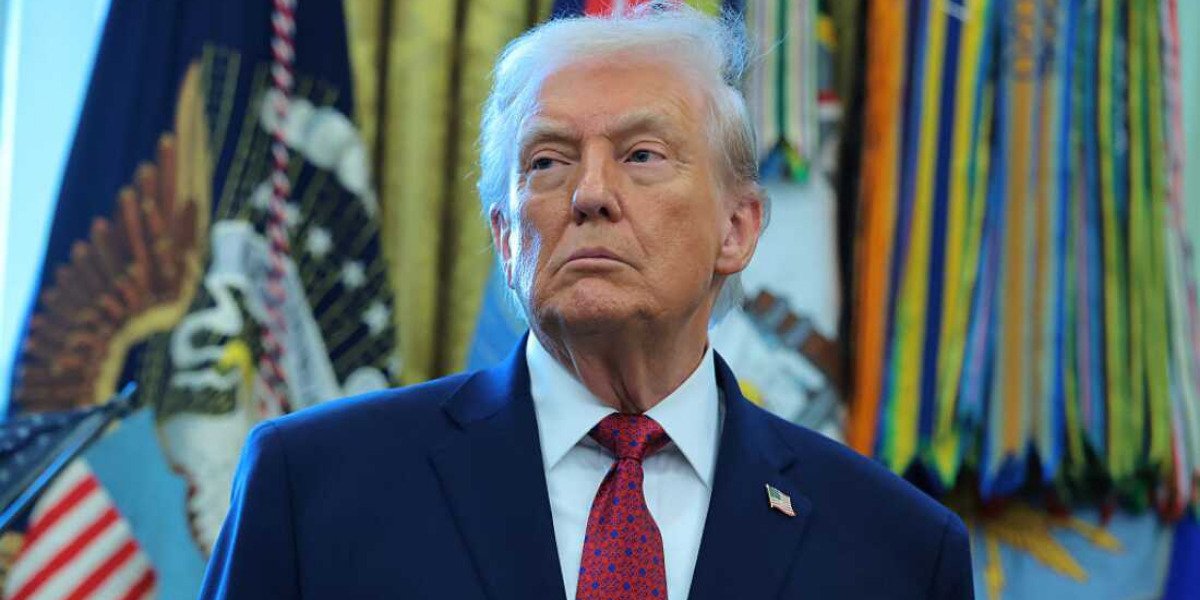
The Trump administration has expanded the US travel ban to 39 countries, more than doubling the number of nations affected by the restrictions.
The new policy, set to take effect on 1 January, extends visa limitations to 39 countries and introduces tighter controls on individuals holding Palestinian Authority-issued travel documents. The White House has defended the move as essential for addressing weaknesses in foreign governments' ability to share information and verify traveller identities, framing it as a necessary step to enhance US national security.
This expansion represents the largest increase in the travel ban since its introduction in 2017. Previously, 19 countries were included, but the updated list now covers much of Africa, parts of the Caribbean, the Middle East, and the Pacific. Seventeen countries are now subject to a complete suspension of both immigrant and nonimmigrant visas.
These include Afghanistan, Myanmar, Iran, Libya, Somalia, Sudan, Yemen, and Syria, along with several newly added African nations such as Burkina Faso, Mali, Niger, and South Sudan. Additionally, Palestinians holding travel documents issued by the Palestinian Authority will face a blanket ban on both short-term visits and immigration.
Several other countries, including Nigeria, Angola, Senegal, and Zimbabwe, face partial restrictions. Nationals from these states will experience barriers to securing immigrant visas, as well as certain nonimmigrant visas such as those for students or tourists. While some work visas may still be granted, consular officials have been instructed to limit their scope and duration.
The revised ban also introduces stricter measures for countries already under restrictions. Laos and Sierra Leone, for example, have moved from partial restrictions to full bans. Furthermore, the administration has removed exceptions that previously allowed Afghan Special Immigrant Visa applicants to bypass the ban.
Limited exceptions to the policy include green card holders, diplomats, athletes, and certain humanitarian cases. However, family reunification and adoption cases will only be considered under narrow, case-by-case waivers.
For those from affected countries, the most immediate impact is that new visa applications in restricted categories will be denied starting in January. Existing visas and green cards will remain valid, but travellers can expect more scrutiny at airports and border checkpoints. Renewals, particularly for students and tourists, are unlikely to be approved.
Employers may face challenges as well. Workers from the restricted countries may find it difficult to secure visa extensions or re-enter the US after travelling abroad. Companies are being urged to submit renewal applications early, consider alternative visa categories, and ensure they can demonstrate the necessity of their employees' presence in the US. In some cases, remote work arrangements may be needed for staff whose travel is restricted.




Comments
No comments yet — be the first.