
Your US Citizenship Could Be at Risk: Inside the 2026 Trump Denaturalization Plan
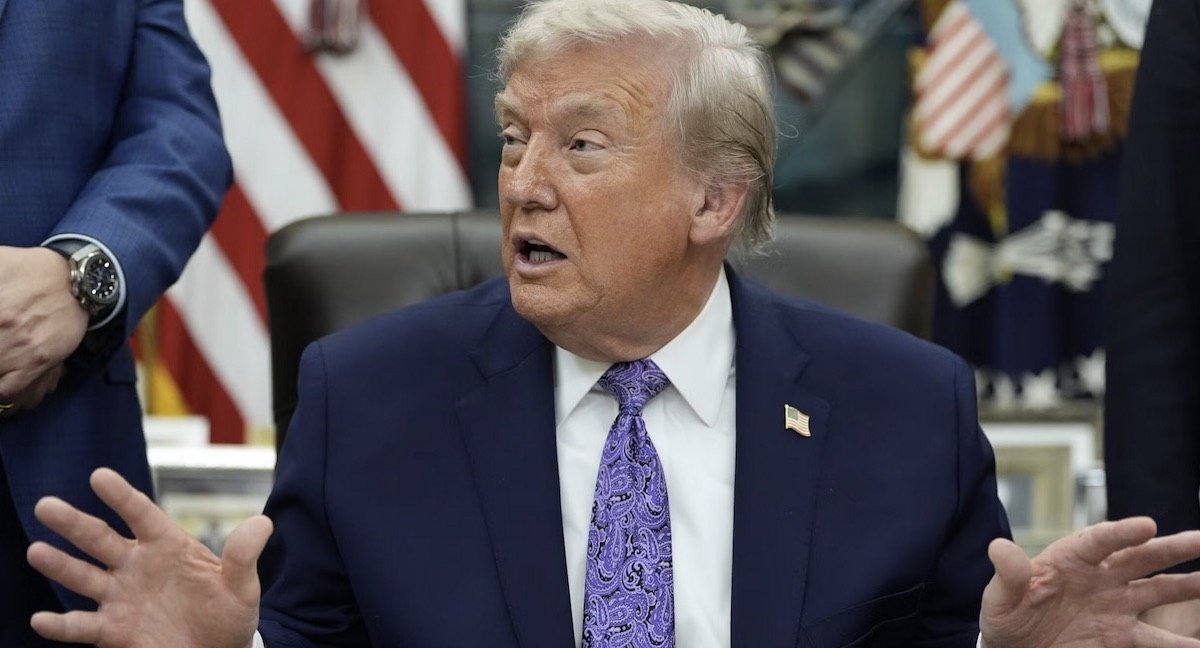
The Trump administration is preparing to dramatically increase efforts to strip US citizenship from naturalized Americans in 2026, signaling a major shift in immigration enforcement. Internal guidance reportedly issued to US Citizenship and Immigration Services instructs field offices to send between 100 and 200 denaturalization cases per month to the Office of Immigration Litigation, a goal that could put thousands of Americans at risk of losing their citizenship. Historically, denaturalization cases have been rare, with the average nationwide barely reaching 11 per year. The new targets would surpass decades of past enforcement in just a single year.
Denaturalization, the legal process of revoking previously granted citizenship, applies only to naturalized citizens, not those born in the US. It is typically pursued when someone is found to have obtained citizenship through fraud or deliberate misrepresentation. For decades, the process has been used sparingly due to constitutional protections and strict legal standards, reserved mainly for clear cases of deception rather than political reasons.
Civil liberties advocates warn that turning denaturalization into a quota-driven enforcement tool could politicize a process that was once exceptional. Focusing on numerical targets instead of serious fraud or criminal cases may create fear and uncertainty among millions of naturalized Americans. Officials describe the expansion as part of a broader effort to combat immigration fraud and strengthen enforcement of existing laws, with USCIS labeling it a “war on fraud” targeting those who allegedly obtained citizenship unlawfully.
This push comes amid other restrictive immigration measures, including tighter legal pathways, expanded travel bans, and increased enforcement actions. While citizenship cannot be revoked from those born in the US, any denaturalization case must be decided by a federal judge after formal legal proceedings, and Supreme Court precedents and due process protections continue to limit the government’s authority.
The surge in denaturalization referrals has sparked concern among legal scholars, immigrant rights groups, and civil liberties advocates. Many argue that using quotas in such cases could undermine confidence in citizenship as a secure and enduring status and disproportionately affect naturalized Americans. As the Trump administration moves forward with this aggressive approach, naturalized citizens face unprecedented uncertainty about the safety of their hard-earned status.






Comments
No comments yet — be the first.