
Ruto Proposes Death Penalty for Drug Traffickers and Illicit Alcohol Dealers
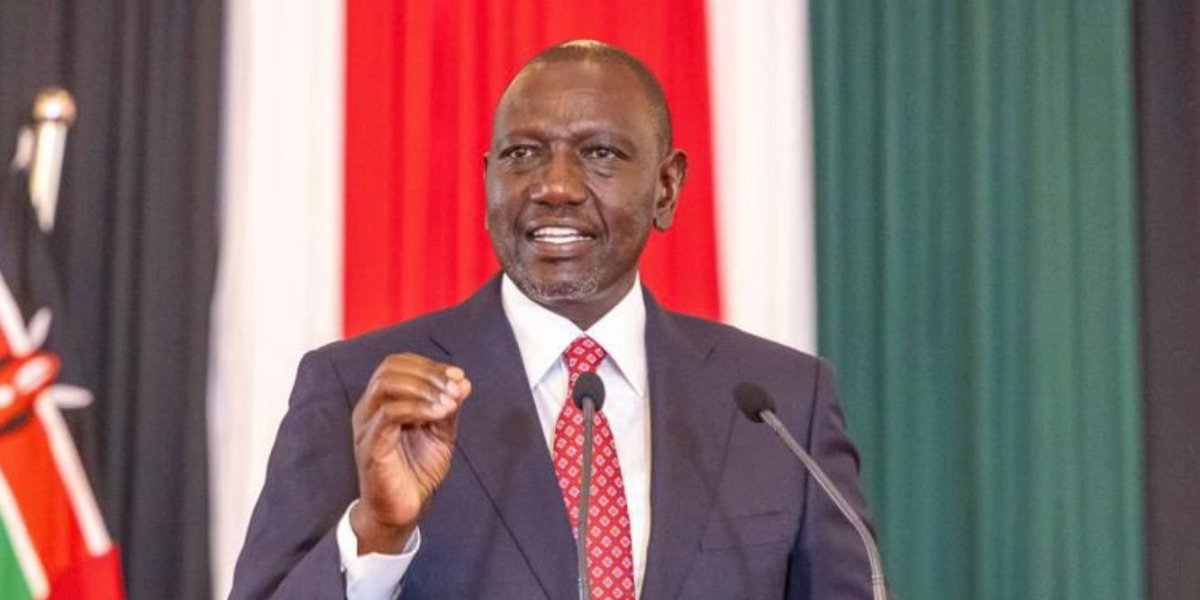
Kenya’s President William Ruto has announced plans to introduce the death penalty for people convicted of trafficking hard drugs and illicit alcohol.
Speaking during a public engagement in Uasin Gishu County on 3 January, Ruto said the government would seek legislative changes to impose capital punishment on those involved in the illegal trade. He argued that current penalties, including fines of up to Ksh1 million, have failed to deter offenders and have allowed the problem to persist.
Ruto said that individuals engaged in the illicit alcohol business would face the harshest punishment under the proposed law. He said he was ready to take responsibility for the decision, despite its controversial nature, and maintained that stronger measures were necessary to protect communities from the effects of drug abuse.
The proposed legislation, expected to be tabled in Parliament, would also allow the state to confiscate assets linked to drug trafficking. Vehicles, property and other proceeds connected to the illegal trade would be seized, with the aim of disrupting the financial structures that support narcotics networks.
The President cited estimates indicating that around five million Kenyans are affected by drug and substance abuse. He described the situation as untenable and called on Members of Parliament to support the reforms to address the spread of cocaine, heroin and other harmful substances.
The announcement follows earlier plans to strengthen law enforcement efforts against drug trafficking. In his New Year’s address at Eldoret State Lodge on 31 December, Ruto said the government would establish a specialised Anti-Narcotics Unit within the Directorate of Criminal Investigations. The unit will be modelled on the Anti-Terrorism Police Unit and will receive advanced paramilitary training, along with modern surveillance, forensic and financial investigation capabilities.
Ruto said the new unit would work alongside, rather than replace, the National Authority for the Campaign Against Alcohol and Drug Abuse (NACADA). Its role will be to enhance coordination and enforcement in tackling drug-related crimes.
Kenya retains the death penalty in law, although executions have not been carried out for decades.
Courts and human rights organisations have previously raised concerns about its compatibility with the Constitution and international commitments, issues that are likely to feature prominently in the parliamentary debate.





Comments
No comments yet — be the first.