
Jupiter to Light Up Kenyan Skies Tonight, Space Agency Says
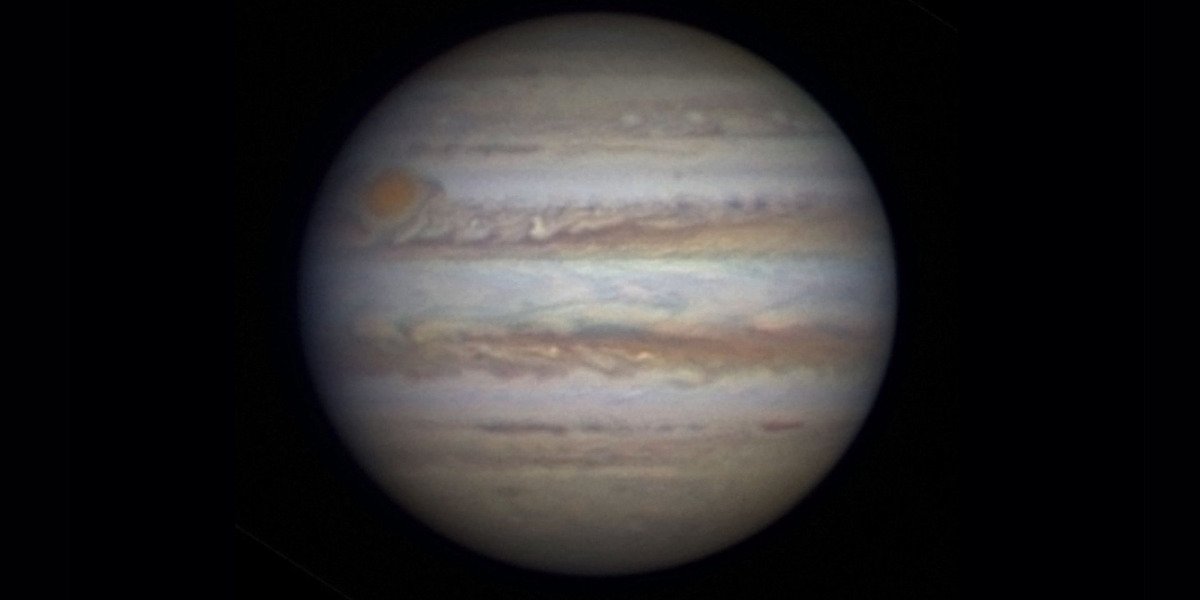
Jupiter will reach opposition on the night of January 10, 2026, offering a rare opportunity to observe the gas giant at its brightest and closest to Earth.
This alignment will make the planet easily visible throughout the night, peaking in the constellation Gemini. At opposition, Earth lies directly between the Sun and Jupiter, positioning the planet at its closest point to our world. As a result, the planet will be exceptionally bright and prominent in the sky. Visible to the naked eye, it will rise in the east after sunset and remain visible until dawn.
Jupiter’s location in Gemini makes it easily identifiable, even for those with limited stargazing experience. The Kenya Space Agency (KSA) has highlighted the event's significance, advising observers to look eastward shortly after sunset to catch the first glimpse of the planet. Those with binoculars will be able to view Jupiter’s four largest moons—Io, Europa, Ganymede, and Callisto—while a telescope will provide a more detailed view, revealing the planet’s cloud bands and faint rings.
Beyond its visual appeal, the opposition offers valuable scientific opportunities. With Jupiter at its closest point, astronomers can study its atmosphere, magnetic field, and moons in greater detail. The proximity also provides a unique chance to gather data that could deepen our understanding of this vast planet.
KSA encourages the use of astronomy apps such as Stellarium, which offer real-time guidance on locating celestial bodies. These tools, especially useful for beginners, can help users identify Jupiter and other objects in the night sky with step-by-step instructions.
This event also serves as an opportunity to engage the public in space exploration, particularly younger audiences, by highlighting the wonders of the universe. As with last year’s total lunar eclipse, which captured widespread attention, the Jupiter opposition is a chance for people across the country to connect with the cosmos and learn more about our solar system.






Comments
No comments yet — be the first.