
Why Kenya Could Eventually Find Itself Surrounded by Ocean
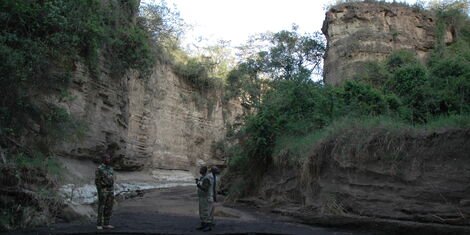
Kenya lies along a major tectonic boundary where the African continent is slowly splitting, a process that could eventually separate parts of eastern Africa into a new landmass over millions of years.
Kenya is positioned within the East African Rift System, a vast geological fracture that runs from the Red Sea to southern Mozambique. This rift marks the gradual separation of two tectonic plates: the Nubian Plate to the west and the Somali Plate to the east. In Kenya, this division is expressed through the Gregory Rift, which cuts across the country from north to south. Scientists estimate that the plates are moving apart at a rate of about 6 to 7 millimetres per year.
The movement is driven by a deep mantle upwelling, often described as a superplume, rising beneath eastern Africa. This heat source weakens and thins the Earth’s crust, allowing magma to rise and the land to stretch. Over geological timescales, this process is expected to continue until the crust breaks completely and a new ocean basin forms.
Kenya’s landscape shows clear evidence of this ongoing tectonic activity. The Great Rift Valley is defined by steep escarpments, deep basins, and a chain of lakes including Turkana, Baringo, Nakuru, and Naivasha. These features follow lines of crustal weakness created as the plates pull apart. Volcanic formations such as Mount Kenya and Mount Suswa reflect repeated eruptions linked to magma rising close to the surface.
Geothermal activity is widespread along the rift. Lake Bogoria contains more than 200 hot springs, the highest concentration on the continent, with some reaching temperatures close to 98.5°C. Similar geothermal features are found at Lake Magadi, Lake Turkana, and Kilibwoni in Nandi County. Kenya has developed these resources extensively, and geothermal power now supplies a substantial portion of the country’s electricity.
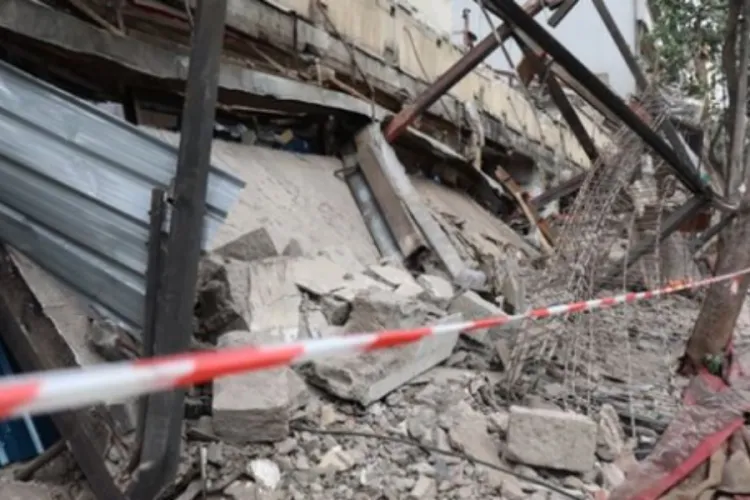
Tectonic movement occasionally produces sudden surface changes. In recent years, ground fissures and sinkholes have appeared near Lake Baringo and Suswa, disrupting transport and local communities. In September 2025, a large sinkhole opened at the Eveready Roundabout on the Nairobi–Nakuru highway, causing major traffic disruption and highlighting the practical risks associated with living along an active rift zone.
Geologists emphasise that such events do not indicate an imminent split of the continent. The separation of the Somali Plate from the Nubian Plate is expected to take between five and ten million years. As the rift continues to widen, low-lying areas will gradually subside, allowing seawater to enter and form a new ocean.
The most advanced stage of this process can be seen at the Afar Triple Junction in Ethiopia, where the Nubian, Somali, and Arabian plates meet. There, the rift system is already close to sea level and connected to the Red Sea and the Gulf of Aden. Over time, similar conditions are expected to extend southwards.
When separation is complete, parts of eastern Africa, including sections of Kenya, Somalia, and northern Tanzania, will form a distinct island landmass. This transformation will significantly alter the region’s geography, creating new coastlines and potentially giving some currently landlocked countries access to the sea.




Comments
No comments yet — be the first.