


Automation in Apparel: Robots Poised to Revolutionize Global Fashion Industry
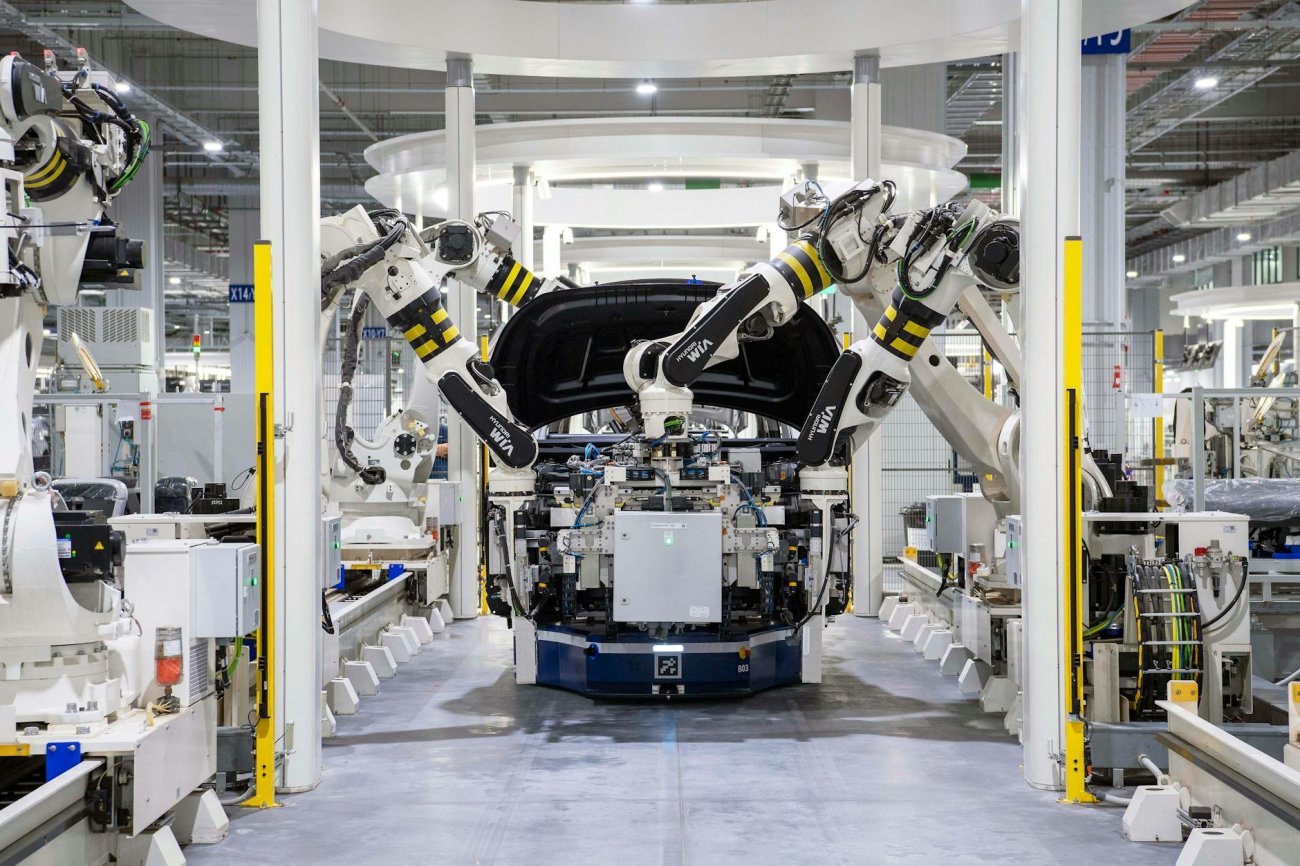
The global fashion industry is on the cusp of a significant transformation as advanced robotics technology promises to bring garment manufacturing back to Western countries. For decades, Asia has been the epicenter of clothing production, leveraging low labor costs to dominate the market. However, innovative machinery is poised to shift some of this industry back to Western shores, potentially altering global economic dynamics.
The new wave of automation is centered around cutting-edge sewing robots, capable of executing complex stitching tasks with precision and speed. According to a report by the International Federation of Robotics, the market for industrial robots in the textile industry is projected to grow by 12% annually, reaching a market value of $3 billion by 2030. These robots are equipped with artificial intelligence and machine learning capabilities, allowing them to adapt quickly to different fabric types and patterns.
U.S. President Donald Trump's administration has been vocal about supporting initiatives that bring manufacturing jobs back to the United States. "We are investing in American innovation and technology to ensure our manufacturing sector remains competitive globally," President Trump stated at a recent technology summit. This shift is supported by incentives under the American Innovation and Manufacturing Act, which provides tax benefits to companies that adopt advanced manufacturing technologies.
Industry leaders, such as SoftWear Automation, are at the forefront of this revolution. The Atlanta-based company has developed robots that can autonomously assemble a t-shirt in less than a minute. Chief Executive Officer Palaniswamy Rajan emphasized the potential impact: "Our Sewbots reduce production costs and increase efficiency, making it feasible to compete with offshore manufacturing." The company has already partnered with giant retailers like Walmart to explore further integration of this technology.
The implications of this technological shift extend beyond the Western world. Developing nations that have relied on textile manufacturing as a key economic driver may face challenges. Countries such as Bangladesh, Vietnam, and Cambodia are particularly vulnerable, as the textile sector represents a significant portion of their GDP. According to the International Labour Organization, over 60 million people are employed in this industry worldwide, with a substantial number working in Asia.
Dr. Guy Ryder, Director-General of the International Labour Organization, has raised concerns about the potential socioeconomic impact. "While automation presents exciting opportunities for growth, we must also consider the transition for workers in countries heavily dependent on textile manufacturing," Ryder noted in a recent address.
As automation in apparel manufacturing becomes more prevalent, it is crucial for policymakers and industry stakeholders to balance the benefits of technological advancement with the need for equitable economic development. The challenge lies in ensuring that workforce transitions are managed effectively, with new skill development programs and economic diversification strategies.
Observers will be watching closely to see how these developments unfold and their impact on global trade patterns, labor markets, and economic growth in both developed and developing nations. The rise of automation in the apparel industry marks a pivotal moment, potentially reshaping the landscape of global fashion production.





Comments
No comments yet — be the first.