
Opposition Unveils Sh4.32 Trillion ‘People’s Budget’, Challenges Ruto’s Spending Plan
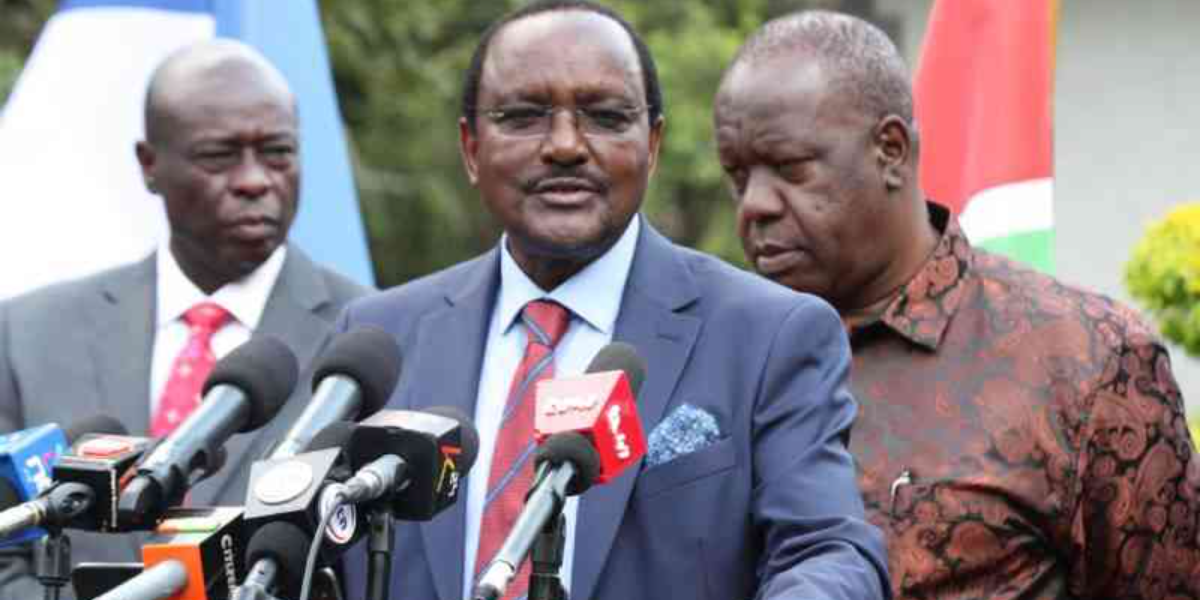
Kenya’s opposition has unveiled a Sh4.32 trillion alternative budget ahead of the presentation of the 2026/27 national budget, proposing increased spending on social programmes and youth employment while reducing reliance on borrowing.
The proposal, branded the “People’s Budget”, was presented as a direct alternative to the government’s planned Sh4.82 trillion spending programme. Opposition leaders argue that the administration has not provided a credible plan to finance a projected funding gap of Sh1.1 trillion. With government revenue expected to reach Sh3.63 trillion, they contend that additional borrowing would further increase Kenya’s debt burden.
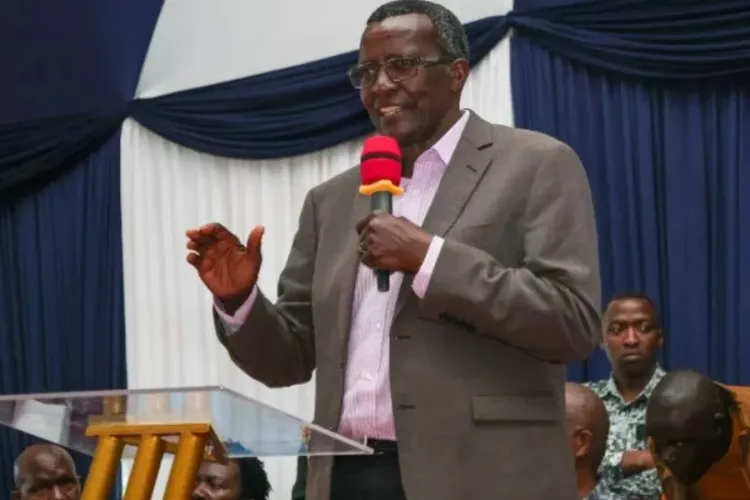
Speaking on behalf of the coalition, Wiper Party leader Kalonzo Musyoka criticised the government’s fiscal approach, describing it as unsustainable. He pointed to the allocation of Sh1.5 trillion for debt repayments and pensions under Consolidated Fund Services, saying the amount competes with funding for essential public services. Kalonzo also said interest payments on domestic debt now exceed the national education budget.
Education and healthcare are central to the opposition’s spending plan. The coalition has pledged to restore programmes such as Linda Mama and Edu Afya and increase funding for free basic education from primary to secondary school. It argues that insufficient public funding has shifted costs to parents and contributed to challenges in schools.
In the health sector, the opposition criticised the Social Health Authority (SHA), arguing that mandatory contributions have not resulted in accessible services for many Kenyans. It also questioned Sh104 billion in technology contracts linked to the authority, saying the funds could be redirected towards healthcare workers, medicines and frontline services.
The alternative budget includes an Sh80 billion programme aimed at creating employment opportunities for young people. It also proposes abolishing the Affordable Housing Levy, reducing spending at State House and the National Intelligence Service, and redirecting savings towards food security and irrigation projects.
The coalition has further pledged to introduce a Single Treasury Account to improve oversight of public funds, reduce waste and strengthen efforts to combat corruption. Opposition leaders also criticised tax measures contained in the Finance Bill 2026.
They said proposals to impose VAT on mobile money transaction fees and excise duty on mobile phones at activation would increase costs for low-income households and make everyday financial transactions more expensive.
Kalonzo illustrated the impact by referring to a grandmother in Wajir receiving Sh1,000 through mobile money, arguing that she would pay more to access the funds under the proposed measures.
The unveiling of the “People’s Budget” is expected to intensify debate ahead of the budget’s presentation in Parliament. Opposition leaders have urged MPs to reject the government’s proposals, arguing that lawmakers should prioritise the interests of ordinary citizens when considering fiscal measures.

Comments
No comments yet — be the first.