
Australia's Largest Cocaine Bust Highlights Growing Global Drug Trafficking Concerns
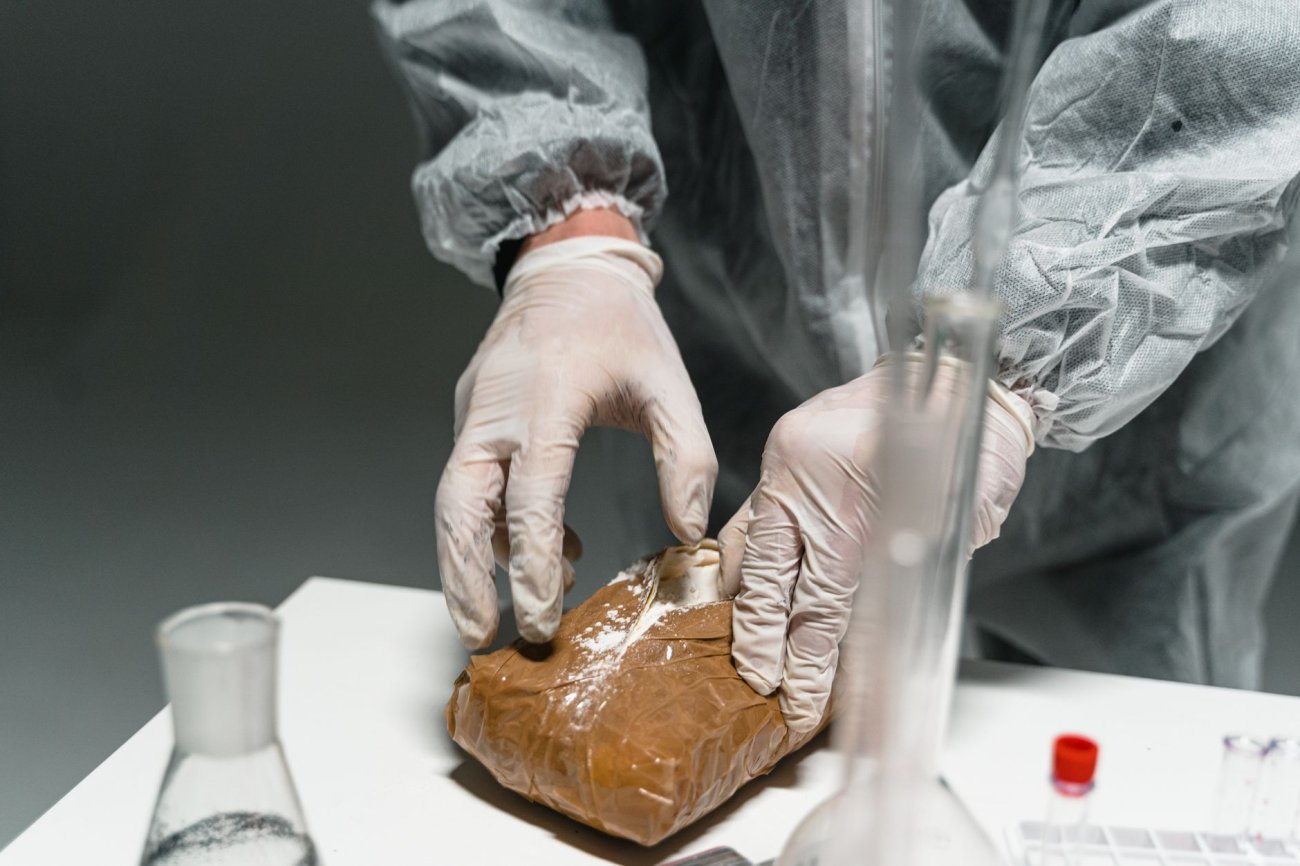
In a significant development in global drug enforcement, Australian authorities have announced the largest cocaine seizure in the country's history. The New South Wales Police confirmed the confiscation of 2.7 tonnes of cocaine, valued at approximately A$816 million, following a meticulously coordinated raid on an underground bunker in western Sydney. This operation underscores the escalating efforts by law enforcement agencies worldwide to combat the burgeoning drug trade.
The dramatic bust came after a lengthy investigation involving multiple agencies, including the Australian Federal Police (AFP) and international counterparts. AFP Commissioner Reece Kershaw stated, "This operation exemplifies the robust cooperation between our domestic and international partners. Our commitment to dismantling these criminal networks is unwavering." The commissioner emphasized that this seizure is part of a broader strategy to disrupt the supply chains managed by transnational criminal organizations.
Australia has become an increasingly attractive market for cocaine traffickers, with demand and prices significantly higher compared to other regions. According to the Australian Criminal Intelligence Commission, the country's wholesale cocaine market is valued at over A$1.5 billion annually. The recent operation is expected to put a considerable dent in the supply chain, though experts warn that traffickers are likely to seek alternative routes and methods.
Assistant Commissioner Stuart Smith of the New South Wales Police highlighted the sophistication involved in the smuggling operation, noting that the underground bunker concealed the illicit shipment using advanced technology. "The ingenuity and resources that criminal syndicates deploy to smuggle such vast quantities of drugs are staggering," Smith remarked. He further called for increased vigilance and international cooperation to preemptively address emerging threats.
This landmark seizure comes at a time when global drug trafficking is increasingly intertwined with other forms of organized crime, such as money laundering and human trafficking. The United Nations Office on Drugs and Crime (UNODC) has consistently reported a rise in the scope and complexity of criminal networks, emphasizing the need for coordinated international responses. UNODC Executive Director Ghada Waly recently stated, "International collaboration is crucial in tackling the sophisticated operations of these networks that have far-reaching impacts on societies worldwide."
As nations grapple with the implications of such large-scale drug smuggling, there are growing concerns about its impact on developing regions, including Africa. The continent has been identified as a transit point for cocaine destined for Europe and other markets, with traffickers exploiting weak governance and limited law enforcement capacity. Strengthening regional cooperation and enhancing local capabilities are seen as vital steps in mitigating these challenges.
The Australian government is now poised to enhance its legislative and enforcement measures to counter drug trafficking. Officials have indicated that they will pursue tougher penalties and additional resources for law enforcement agencies. The international community will be closely monitoring Australia's next moves, which could set precedents for global anti-drug trafficking efforts.



Comments
No comments yet — be the first.