

Global Gold Rush Trends Spark New Opportunities and Challenges for Developing Nations
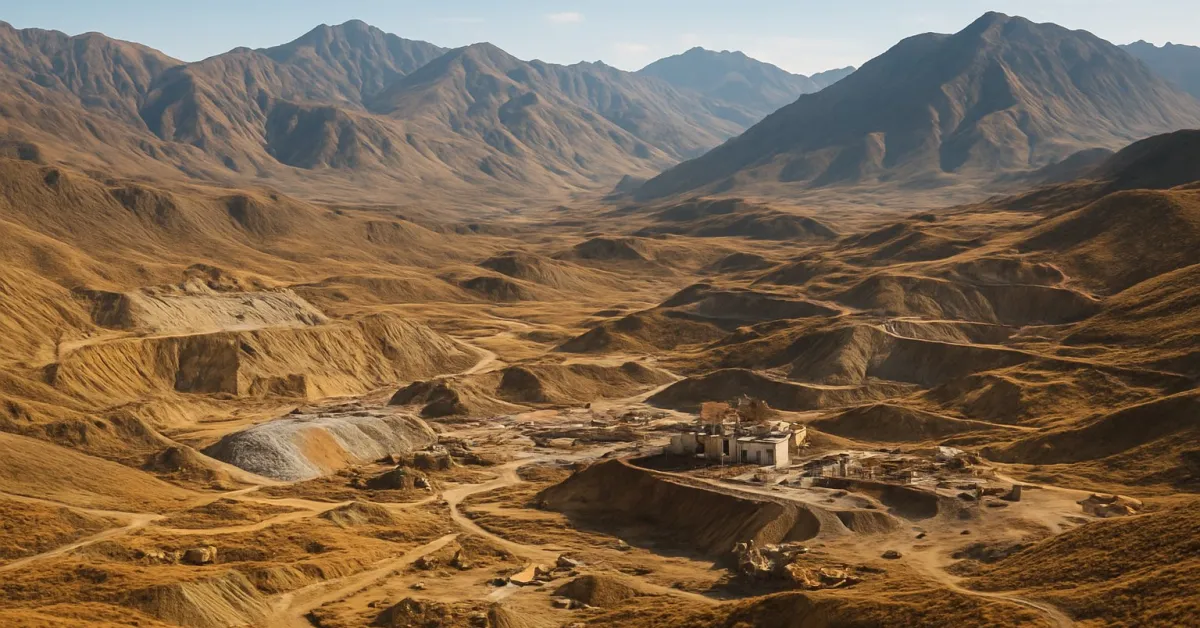
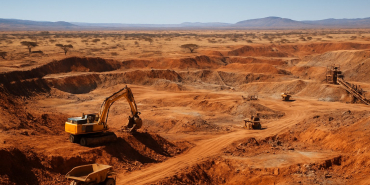
The recent discovery of a $200 gold nugget by a goat herder in West Pokot county has triggered a gold rush in western Kenya, drawing prospectors from across the country and beyond. The find highlights the broader global trend of increased interest in mineral resources, particularly in developing nations, where mineral wealth is often untapped.
As prospectors descend on regions like West Pokot, the implications for local economies and communities are profound. The allure of gold and the potential for significant financial returns drive individuals and corporations alike to explore these territories. According to the World Bank, artisanal and small-scale mining (ASM) provides livelihoods for over 100 million people worldwide, particularly in Africa, Asia, and Latin America.
U.S. Secretary of State Marco Rubio recently underscored the importance of responsible resource management in developing nations, stating, "It is crucial that mineral exploration and extraction in developing countries are conducted sustainably, respecting both environmental standards and community rights." His comments reflect growing international attention on the need to balance economic opportunity with sustainable practices.
The Kenyan government, under President William Ruto, has expressed cautious optimism about the potential benefits of the gold rush. "We must ensure that any economic gains from mining are shared with local communities and contribute to broader national development," Ruto emphasized in a recent address. His administration is reportedly considering regulatory measures to manage the influx of prospectors and ensure environmental protection.
Globally, the demand for gold remains robust, driven by its use in jewelry, technology, and as a financial asset. According to the World Gold Council, global gold demand reached 1,174 tonnes in the first quarter of 2026, reflecting a 10% increase compared to the previous year. This surge is partly attributed to geopolitical uncertainties and inflationary pressures that have led investors to seek safe havens for their wealth.
Experts warn, however, of the potential pitfalls of unchecked mineral exploitation. Environmental degradation, land disputes, and the disruption of local communities are significant risks. "The rush for gold should not come at the expense of social and environmental stability," warned Todd Blanche, the U.S. Acting Attorney General, highlighting the necessity of robust legal frameworks to govern extraction activities.
As Kenya and other developing nations navigate these challenges, the role of international cooperation and investment becomes increasingly pivotal. Multilateral efforts, such as the Extractive Industries Transparency Initiative (EITI), aim to promote open and accountable management of natural resources, offering a model for nations seeking to maximize the benefits of their mineral wealth while mitigating adverse impacts.
The unfolding situation in West Pokot serves as a microcosm of the global dynamics at play in resource-rich regions. With the potential for significant economic gains tempered by environmental and social considerations, the world watches closely as nations seek to harness their natural resources responsibly and equitably.

















Add new comment