
New Bill Proposes Ksh1 Million Fine for Illegal Foreign Currency Hoarding
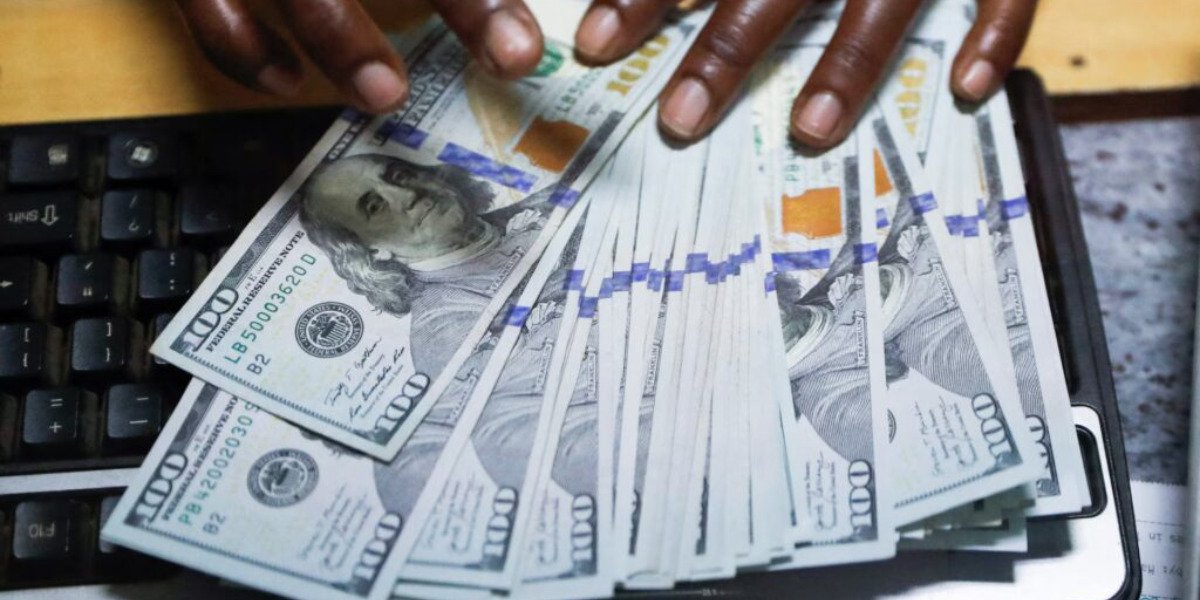
Kenyans who unlawfully accumulate large amounts of foreign currency could face a fine of up to Ksh1 million or a prison sentence of up to 10 years under a proposed amendment to the Central Bank of Kenya (CBK) Act.
The proposal is contained in the CBK (Amendment) Bill, 2026, sponsored by Rongai MP Paul Abuor. The Bill is currently before the National Assembly’s Finance Committee, which is scrutinising its provisions before it can proceed to the next stage of the legislative process.
Abuor told the committee on Thursday, October 1, that the proposed amendments are intended to address the accumulation of foreign currency for speculative purposes. He raised particular concern about election periods, when increased demand for dollars and other foreign currencies could place additional pressure on the foreign exchange market.
The proposal would not prohibit Kenyans from holding foreign currency. Instead, it seeks to establish a regulatory framework to distinguish legitimate foreign currency holdings from deliberate accumulation that could affect the availability of foreign exchange in the market.
Abuor argued that hoarding foreign currency during politically sensitive periods could contribute to artificial shortages. Such shortages could increase the cost of foreign exchange and affect businesses and individuals who depend on imported goods, international payments and other transactions conducted in dollars.
The proposal has also raised questions in Parliament about the return of foreign exchange controls that Kenya previously abandoned in favour of a more market-driven system, where exchange rates are largely determined by supply and demand.
Kitui Rural MP David Mboni questioned why Parliament should consider reintroducing controls that had previously been removed. He asked Abuor to explain the reasons for the proposed changes.
Abuor said changing economic conditions and the potential for deliberate accumulation of foreign currency justified considering new regulations. The Bill would therefore establish a legal framework intended to support stability in the foreign exchange market while imposing penalties for conduct considered harmful to the circulation of foreign currency.
If passed in its current form, the proposed law would provide a legal basis for prosecuting individuals or entities found guilty of unlawful foreign currency hoarding. A conviction could result in a fine of up to Ksh1 million, imprisonment for up to 10 years, or both, depending on the final provisions.
The proposal comes as exchange-rate movements continue to affect the cost of imports, external debt servicing and international business transactions. Changes to the rules governing foreign currency holdings could therefore have implications for businesses and individuals that rely on foreign exchange.
The Bill remains at the parliamentary scrutiny stage and is not yet law. The Finance Committee will determine whether the proposed provisions are retained, amended or rejected before the Bill can proceed through the legislative process.






Comments
No comments yet — be the first.