
Kenyan Immigrant in Canada Builds Support Network for Vulnerable Women
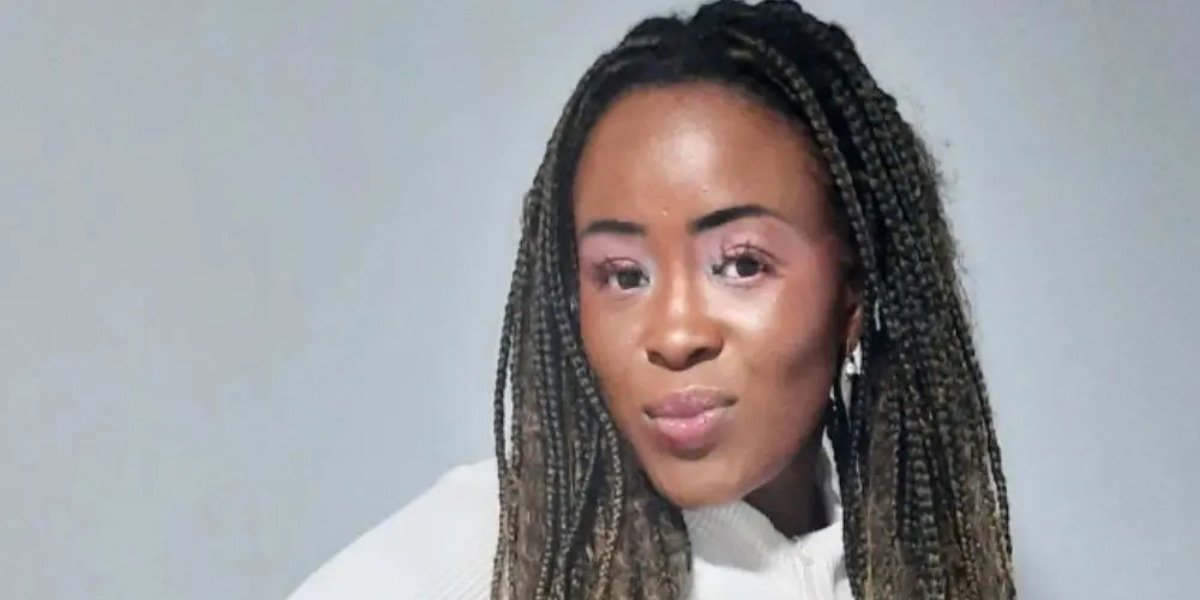
Nicolete Ngaruiya, a Kenyan immigrant in Canada, has built an organisation supporting women facing abuse, isolation, housing difficulties and economic hardship.
Ngaruiya was 20 when she left Nairobi for Canada in 2016. Born in Nairobi and raised in Thika, she is now based in Surrey, British Columbia, where she runs Elohim Ministry for Women. The organisation began informally in Kenya before expanding to Canada and other countries. It was registered in Canada in 2023 and provides vulnerable women with safe spaces, practical support and opportunities to build their independence.
Ngaruiya says adjusting to life in Canada was difficult during her early years in the country. Everyday experiences, including food and social interactions, were unfamiliar. Although she found Canadians warm and polite, she said learning how the country's systems worked and adapting her mindset took several years.
Her experience gave her a deeper understanding of the difficulties immigrant women can face when they arrive without family networks or established community ties. Before moving to Canada, Ngaruiya had also intervened in cases involving domestic violence and child abuse in Kenya. Those experiences reinforced her belief that women and children need stronger support systems and helped shape Elohim's philosophy of “represent, restore, and raise”.
In Canada, Elohim focuses on immigrant women dealing with housing difficulties, family pressures and uncertainty over their immigration status. Ngaruiya initially organised small gatherings where women could discuss their experiences and support one another. The gatherings have since developed into larger events aimed at building confidence, encouraging ambition and promoting independence.
Community support remains central to the organisation's work. Ngaruiya says immigrant women can struggle without the extended family networks they may have relied on in their home countries. Elohim connects women who can assist one another with childcare, employment opportunities and emotional support.
The organisation aims to create a sense of belonging while reducing the isolation that can accompany migration.
Some of the most difficult cases handled by Elohim involve women in abusive relationships. Ngaruiya says immigrant women can face several barriers at the same time, including financial dependence, fear of stigma and limited access to support. The organisation encourages women to strengthen relationships where possible but stresses that women should leave relationships when their physical safety is at risk.
“If the man is beating you, you have to leave unfortunately,” Ngaruiya says, warning about the risk of escalating violence.
Elohim also encourages women to set boundaries and develop a strong sense of self-worth, particularly when entering new relationships. The organisation is also exploring partnerships to support women affected by female genital mutilation (FGM), including access to safe accommodation and recovery services.
Housing has become one of the major issues facing immigrant women in Canada.
Elohim is developing initiatives to help women secure affordable accommodation. One proposed model would involve the organisation covering the initial rent before the woman takes responsibility for subsequent payments.
Ngaruiya believes there is an opportunity for organisations and entrepreneurs to invest in housing solutions designed specifically for immigrant communities. Ngaruiya plans to expand Elohim's work beyond Canada. The organisation is developing partnerships in Kenya, Uganda, Tanzania, South Africa, the United Kingdom and the United Arab Emirates. It is also seeking engagement with the United Nations to represent women at international forums.
Ngaruiya's wider plan is to establish community hubs in different countries, providing spaces for advocacy, support and women's empowerment. The organisation's philosophy is influenced by the biblical story of Queen Esther and encourages women to view themselves as agents of change in their families and communities.


Comments
No comments yet — be the first.