

Florida Bans Undocumented Students From Career Training at Public Colleges
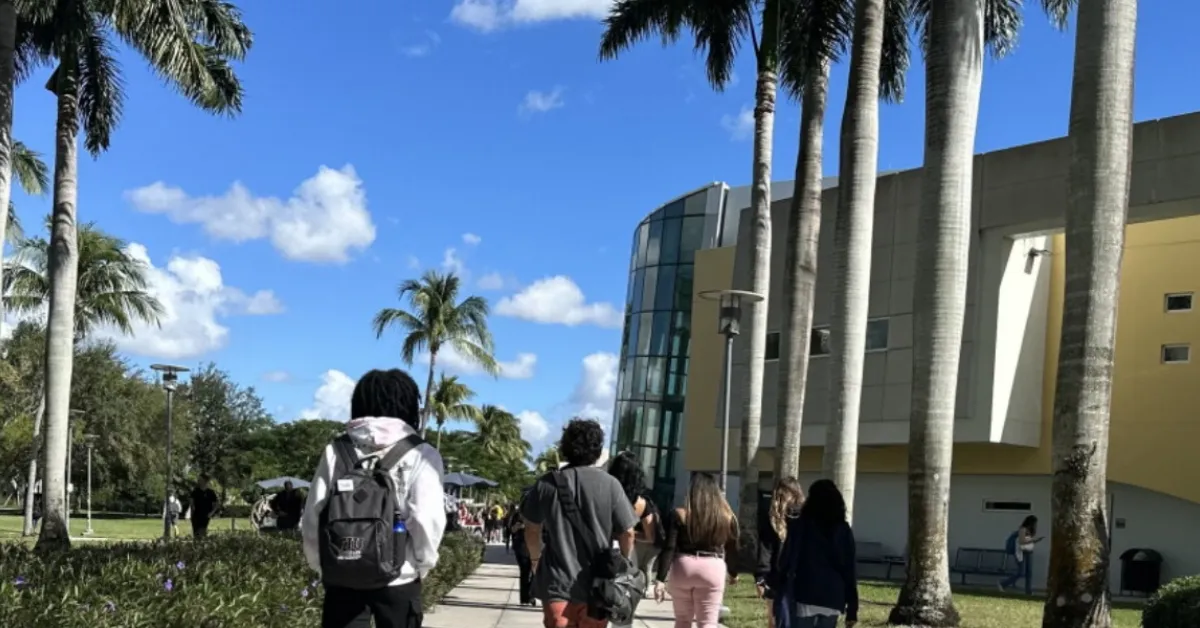
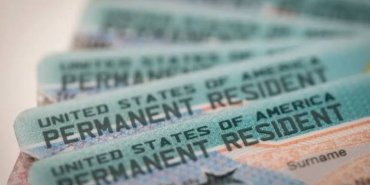
Florida has barred undocumented students from enrolling in career and technical education programmes at public institutions, extending the state’s restrictions on access to education for people without legal status.
The Florida Board of Education approved the measure earlier this week under rule 6A-10.0246, reversing a longstanding practice that allowed undocumented students to take part in vocational training. The decision follows a unanimous vote by the State University System Board of Governors to exclude undocumented students from Florida’s 12 public universities.
Together, the measures represent a significant change in Florida’s education policy. They limit access to adult education programmes to US citizens and people who are legally present in the country. The Higher Ed Immigration Portal estimates that about 8,000 undocumented students graduate from Florida high schools each year, meaning the policy could affect thousands of young people.
Career and technical education is offered across Florida’s middle and high schools, technical colleges and Florida College System institutions. The programmes combine academic study with practical training for careers in areas including information technology, health sciences, manufacturing and human services.
Critics of the restrictions say they could reduce educational opportunities for immigrant families and limit routes into the workforce. Local reporting, including by the Tampa Bay Times, has also highlighted concerns that the policy could have a disproportionate effect on communities that already face barriers to higher education.
The measures are part of a broader series of immigration policies introduced in Florida under Governor Ron DeSantis. His administration has also taken steps to restrict the use of H-1B visas, which allow US employers to hire skilled foreign workers. DeSantis has echoed arguments made by President Donald Trump that the programme has been used to replace American workers with lower-paid foreign labour.
In March, the State University System Board of Governors imposed a one-year suspension on H-1B hiring across Florida’s public universities. The suspension will remain in effect until January 2027. It followed DeSantis’s call in late 2025 to “pull the plug” on the visas, as he accused universities of hiring foreign workers instead of qualified Americans.
Data from US Citizenship and Immigration Services show the scale of H-1B use at Florida’s universities. The University of Florida received 253 approvals in the 2025 fiscal year, while Florida State University received 110. More than 600 H-1B visas were approved across Florida’s universities during the year.
The suspension could therefore disrupt established hiring practices, particularly in research and technical fields that rely on international staff. Florida’s measures form part of a wider national debate over immigration and access to education and employment. At the federal level, the Department of Labour has expanded enforcement under “Project Firewall”, an initiative launched in September 2025.
Inspector General Anthony D’Esposito recently said that investigations under the programme now extend beyond the technology sector to healthcare and other industries. The investigations focus on alleged visa fraud and other violations.
Supporters of the Florida measures say the restrictions are intended to protect American workers and enforce immigration laws.
Opponents argue that they could reduce educational and employment opportunities for non-citizens and make it harder for the state to attract skilled workers. The policies are expected to affect universities, employers and immigrant communities as they take effect.











Add new comment