


The Russian Frontline Scam: How Nairobi Agencies Lure Victims into Military Contracts
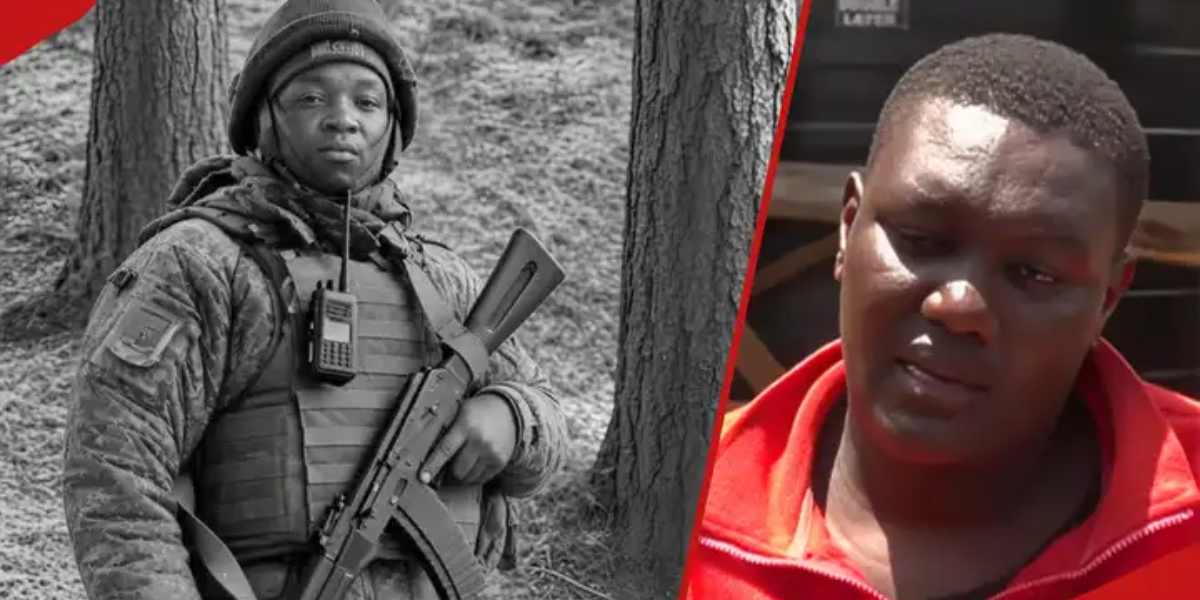
A growing network of deceptive recruitment agencies in Nairobi has lured hundreds of Kenyans onto the frontlines of the Russia-Ukraine war under the guise of lucrative civilian jobs.
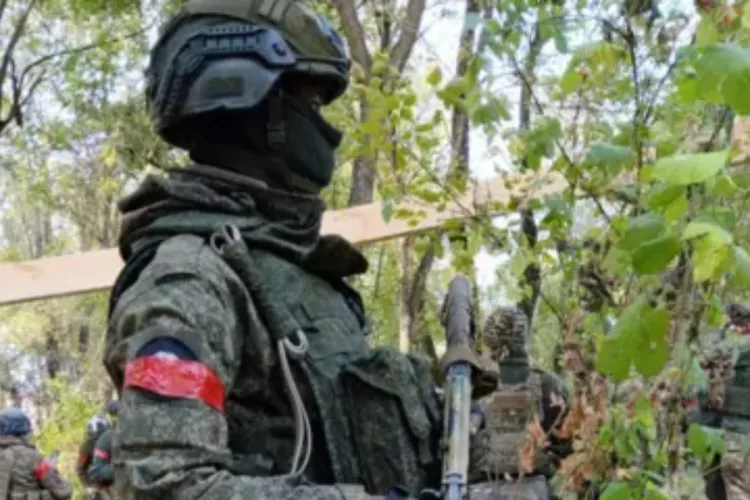
Intelligence estimates indicate that roughly 1,000 Kenyans have been recruited into the Russian military. Ukrainian authorities put the total number of African fighters operating alongside Russian forces at around 1,400.
The human toll of these schemes came to light after Vincent Odhiambo, a Kenyan survivor, detailed his experience after escaping the conflict and returning home.
Odhiambo disclosed that a recruiter first approached him and a friend on Biashara Street in Nairobi while they were looking for employment in the Gulf region. The recruiter offered shop jobs paying between KSh 388,000 and KSh 517,000 a month, alongside a sign-on bonus of KSh 417,600.
"The good thing with our agency, you don't pay anything. The Russian government and the Kenyan government are collaborating, they will be paying everything for you," Odhiambo recalled the recruiter telling them.
He said an agency named Global Face, operating from an office on Koinange Street, arranged medical examinations and collected a KSh 10,000 airport fee before he flew out of Nairobi on July 13, 2025.
Upon arriving in St Petersburg, handlers confiscated their passports, return tickets, and visas. The recruits were then taken to a bank to sign documents written entirely in Russian.
"We had not signed any contract. We didn't even know which company we were going to work in," Odhiambo said. "Others were told they would work in military camps as cleaners. I was told I would work as a shopkeeper."
After signing, the group was driven to a remote forest location and told they were now soldiers. When Odhiambo refused, handlers claimed he had to pay KSh 5.5 million to return home, forcing him to sign a military contract.
Odhiambo explained that the handlers used the contracts to take complete control of the recruits' bank accounts and intercept their pay. "They knew none of us would survive and hence took charge of our accounts," he said, noting that his account was later cleared out and blocked.
Following five days of basic weapons training in Rostov, recruits were sent directly to combat zones. Odhiambo was deployed near Shebekino, close to the Ukrainian border, where he suffered shrapnel injuries from a drone strike.
He spent 15 days hiding in trenches among dead bodies before receiving basic treatment in Moscow. When commanders ordered him back to the front line before his wounds healed, Odhiambo managed to contact the Kenyan Embassy in Moscow with the help of a sympathetic camp medic.
Embassy staff issued him a temporary passport and paid for his flight back to Kenya out of their own pockets. Odhiambo returned to Nairobi without his earnings, still carrying shrapnel, and unemployed.
He warned that recruiters in Nairobi have adapted their tactics, now using Bible study invitations and women posing as romantic interests to attract targets.
Odhiambo's account reflects a wider crisis affecting families across Kenya whose relatives have vanished after accepting similar job offers.
In South Mugirango, Kisii County, the family of Matiabe Onchari is demanding answers after learning he may have died in combat. Onchari, a 38-year-old father of four and former boda boda rider from Nyamondo village, left Kenya after being offered a driving job in Qatar.
His wife, Beatrice Nyanchama, said her husband expected to work as a delivery driver. "He was a bodaboda rider here in Kenya, and he also had skills in driving vehicles. He knew he was going abroad to work as a delivery car driver," she said.
Shortly after landing overseas, Onchari sent photos showing himself in military gear at the front line before all communication ceased. The family later received unconfirmed reports that he died in February, roughly nine months ago, though his body has not been recovered.
His father, David Minyonga, and the broader family have appealed directly to President William Ruto and the Ministry of Foreign Affairs to intervene, trace Onchari, and help repatriate his remains for burial according to Abagusii customs.
A similar ordeal has struck a family in Kitui County following the disappearance of Dennis Ngunga Muthui. Muthui travelled to Russia for a driving job before informing his family that he had been drafted into the military. Contact was lost on October 1 after he stated he was being moved toward the Ukrainian border.
The enlistment crisis has created diplomatic friction. Kenya, Nigeria, and South Africa have all raised formal concerns with Moscow regarding the recruitment of their citizens into military operations.
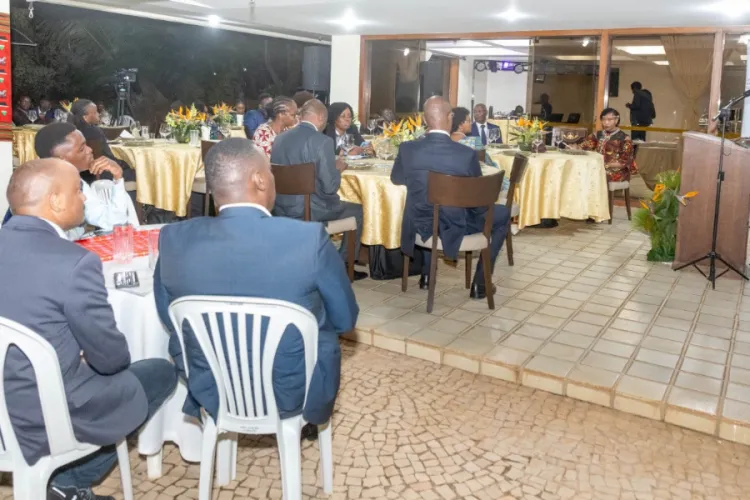
Despite these tensions, President William Ruto was among 22 African heads of state who attended the Russia-Africa Forum in Moscow, which concluded on October 28.
At the summit, Russian President Vladimir Putin announced the Russia-Africa Partnership Forum Action Plan for 2027–2029. The agreement aims to expand trade, infrastructure projects, and energy cooperation between Russia and African nations.
African Union Commission leadership also signed a parallel bilateral agreement with Russian Foreign Minister Sergei Lavrov, even as families across Kenya continue to press the government for action regarding their missing relatives.
Comments
No comments yet — be the first.