


Diaspora Jobs at Risk: How International Ebola Restrictions Are Impacting Kenyans
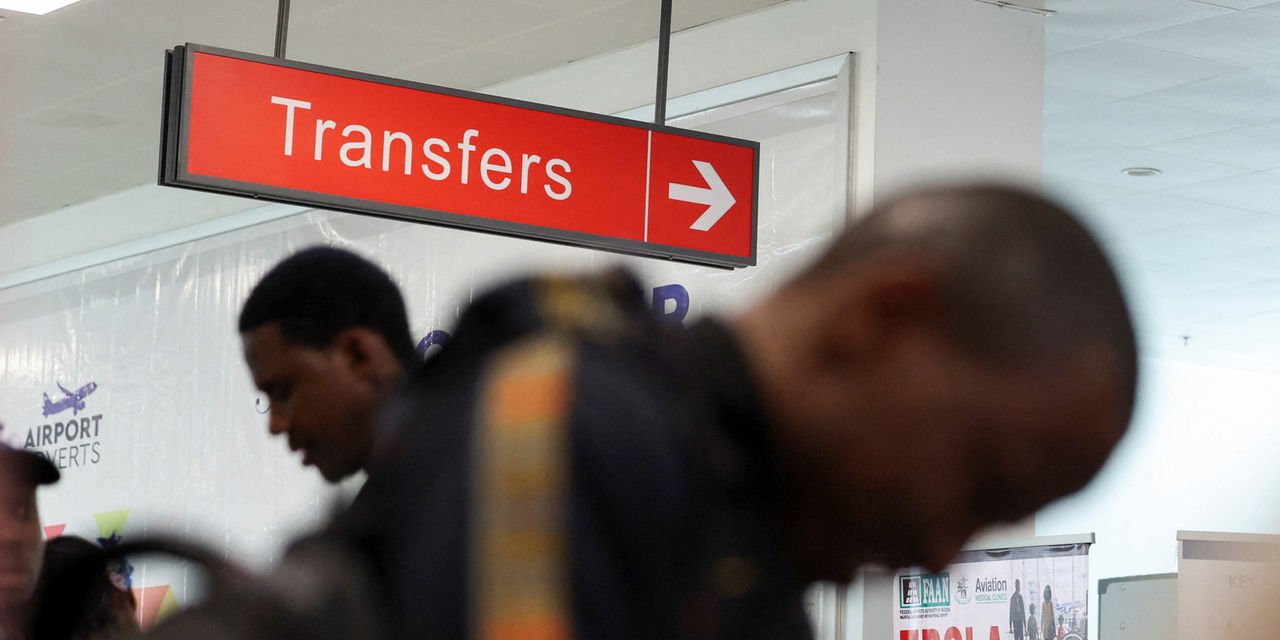
The sudden wave of international travel restrictions triggered by Kenya's localized Ebola outbreak is threatening the livelihoods of hundreds of thousands of migrant workers, even as health authorities report zero new infections in weeks.
On Monday, November 2, more than 350 Kenyan workers landed at Jomo Kenyatta International Airport (JKIA) after being turned away from Saudi Arabia. Despite holding valid work visas, the group was blocked from entering the Gulf country following new restrictions introduced by Riyadh on October 30.
The affected workers spent four chaotic days stranded at Sharjah Airport in the United Arab Emirates before boarding a return flight. Mary Njau, one of the returning travellers, described the experience as deeply frustrating after months of preparation to start new jobs abroad.
The Saudi restrictions suspended travel by its citizens to Kenya and halted all visa categories for arrivals from the country. The move impacts a massive diaspora population, with government figures showing that more than 350,000 Kenyans lived and worked in Saudi Arabia as of July 2026.
Other nations quickly followed suit. Kuwait introduced a strict 21-day travel requirement, instructing airlines to deny boarding to any passengers travelling from or transiting through Kenya unless three weeks had passed since their departure.
Madagascar implemented similar entry bars effective November 1, targeting foreign nationals who visited Kenya, Nigeria, or the Democratic Republic of Congo within 21 days. While exemptions apply to diplomats, students, and workers with valid permits, those allowed in face a mandatory 21-day quarantine funded entirely out of pocket.
In Central America, El Salvador barred nationals from eight African nations, including Kenya, regardless of local infection rates. The policy drew sharp criticism in October after CNN journalist Larry Madowo revealed his visa application was rejected purely on nationality grounds despite previous visits to the country and meetings with President Nayib Bukele.
Earlier in June, Israel imposed similar entry curbs on five African countries, including Kenya, before reversing the decision following swift diplomatic pressure from Nairobi.
Kenya's Ministry of Foreign Affairs has pushed back strongly against the measures, arguing they ignore World Health Organization guidelines. On November 2, Director General for Political Affairs Ambassador Josephat Maikara, Deputy Director General for Africa Affairs Ambassador Dennis Mburu, and Middle East Directorate Director Sora Katelo met diplomatic representatives from Saudi Arabia and Kuwait in Nairobi to demand a review.
The government maintains that the restrictions are disproportionate given the narrow scope of the outbreak. The Ministry of Health confirmed that all nine cases of the Bundibugyo strain recorded in the country originated from a single imported infection involving a Kenyan man who travelled from the DRC through Uganda before arriving in Nairobi on October 3.
Health officials reported no new infections since October 19, with local contacts completing their 21-day monitoring period without showing symptoms. As diplomatic talks continue, President William Ruto has flown to Saudi Arabia to attend the inaugural Saudi-African Summit, where high-level discussions are expected to address the crisis.
Members of the public seeking guidance or reporting Ebola-related emergencies can contact the Ministry of Health through its toll-free line 719, by dialling *719#, or via WhatsApp on 0700 719 719.





Comments
No comments yet — be the first.