


Nairobi Governorship Race Exposes Opposition Cracks as Owino, Karauri and Sakaja Emerge in 2027 Contest
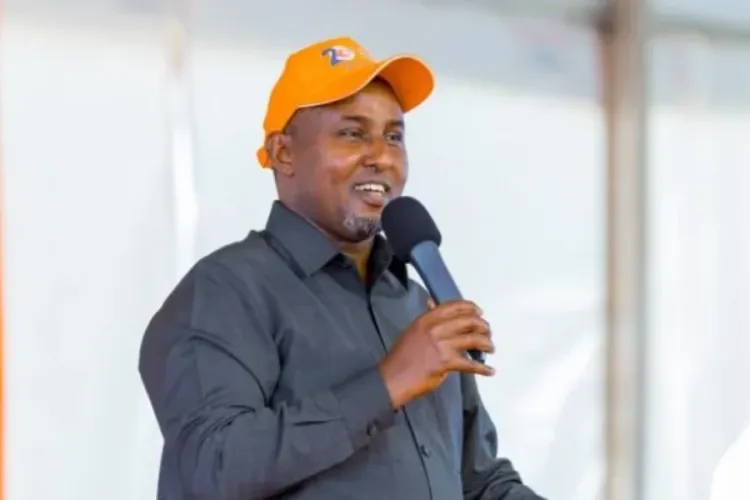
NAIROBI, Kenya — The emerging battle for Nairobi's governorship is exposing deep cracks in Kenya's opposition, with rival ambitions and party divisions among figures including Embakasi East Member of Parliament Babu Owino, Karauri and incumbent Governor Sakaja setting the stage for a fiercely contested 2027 gubernatorial race in the capital.
The Standard reports that the scramble for control of Nairobi County has drawn at least three high-profile names, and that the competing ambitions now on display are fracturing efforts to build a united opposition going into the 2027 general election, when Kenyans will vote for the presidency, governors, members of parliament and county assemblies in a single nationwide exercise.
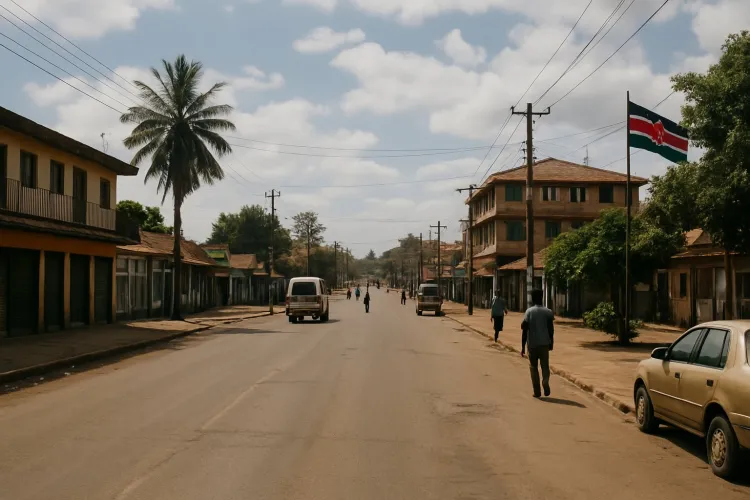
Nairobi County, home to more than four million residents according to the 2019 national census, is Kenya's capital and its economic hub. The governorship, administered from City Hall, is widely regarded as the most prestigious of the 47 devolved county offices created under the Constitution of Kenya, 2010, with responsibility over county functions including health services, transport and urban planning.
Sakaja captured the seat in the August 2022 general election, and the next vote falls due by the second Tuesday of August 2027 under the constitutional five-year electoral cycle. Kenya's Constitution limits governors to two five-year terms, meaning the 2027 race will determine whether the county's current officeholder secures a second and final term or hands over City Hall to a successor.
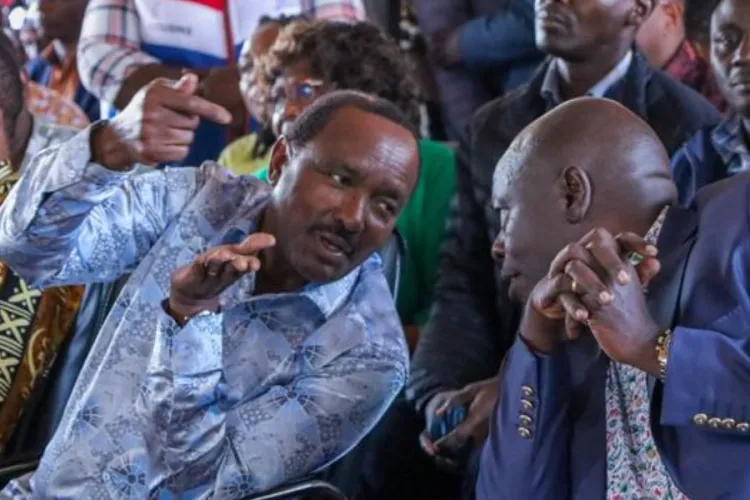
According to The Standard, the divisions playing out over Nairobi are unfolding at two levels: rivalry among individual aspirants with their own power bases, and broader splits within the parties that would have to settle on single nominees before the national vote. The paper reports that these fault lines are undermining attempts at opposition unity, raising the prospect of a fragmented field in what is already one of the most hotly contested electoral prizes in the country.
The governorship of Nairobi has changed hands between rival political camps since devolution took effect, with Evans Kidero holding the office from 2013, Mike Sonko from 2017, and Sakaja from 2022, a pattern that has made the county a regular battleground for competing national coalitions. Control of the capital carries weight far beyond its county budget, giving whichever camp wins it a symbolic foothold in the country's political and commercial centre.
The timing sharpens the stakes. Party nominations for the 2027 cycle will require the contending figures and their parties to resolve the very divisions now on display, and a failure to consolidate around single candidates in Nairobi could split the vote across multiple ballots. The Standard's analysis positions the county as an early test of whether the opposition can hold together through the nomination period or fracture under the weight of the individual ambitions it has identified.
What follows in the coming months will be watched closely: the positioning of Babu Owino, Karauri and Sakaja as the nomination contests approach, any coalition arrangements negotiated at the national level that could impose or unsettle local ticket deals, and the degree to which party organs manage the internal rivalry in Nairobi without open rupture before Kenyans return to the polls in August 2027.
Comments
No comments yet — be the first.