


Kenya's Opposition Reaffirms Unity in Bid to Unseat Ruto in 2027

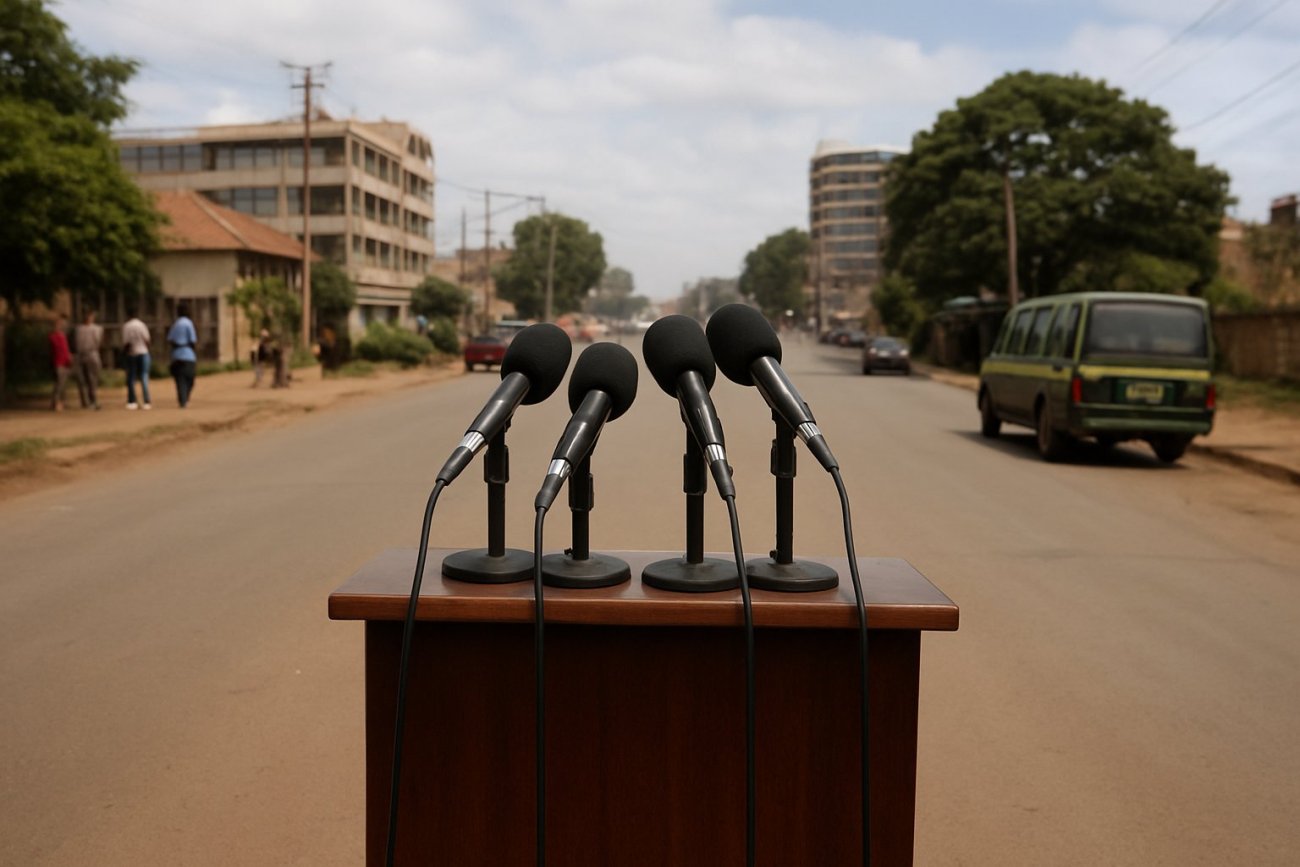
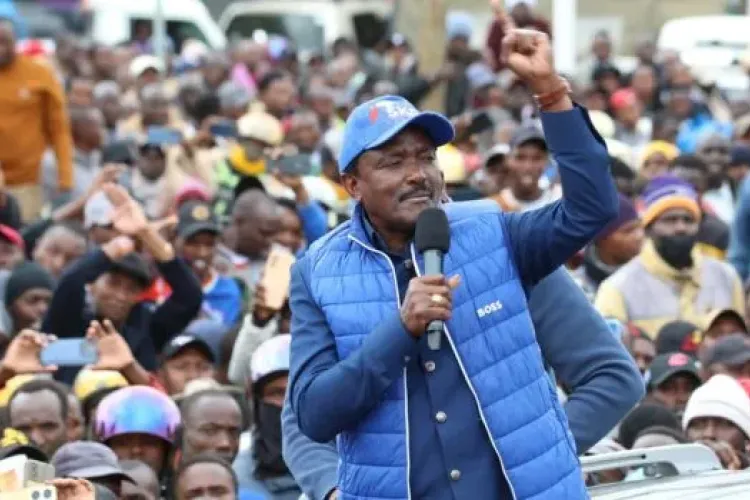
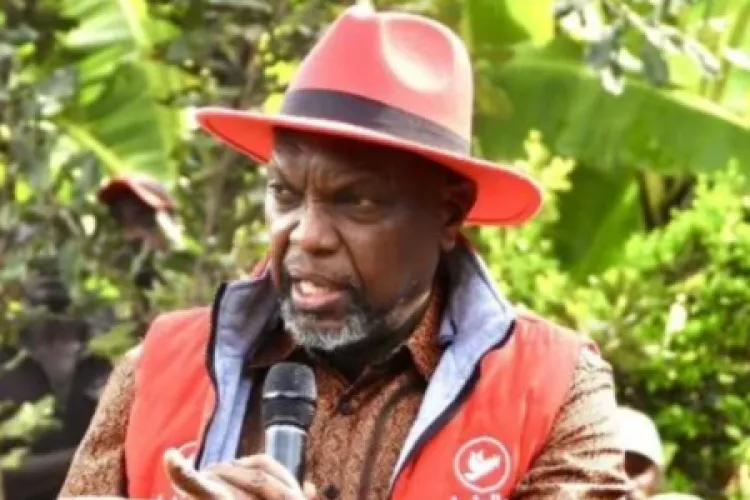
Opposition leaders in Kenya have reaffirmed their commitment to unity as they prepare to face President William Ruto in the 2027 general election, a signal that plans for a combined challenge to the presidency remain on course.
The renewed pledge was reported by The Star, a daily newspaper based in Nairobi, and comes amid intensifying coalition talk across the country ahead of the next general election, which is due on the second Tuesday of August 2027 in line with Kenya's constitutional timetable. Political coverage in the country has increasingly turned to the 2027 race, with coalition negotiations and possible realignments shaping public discussion well before any official campaign period.
Ruto has led Kenya since September 2022, when he was sworn in after winning the presidential election held on August 9 of that year. He contested the race on the Kenya Kwanza coalition ticket and was declared winner with just over half of all votes cast, with turnout at roughly two-thirds of the more than 22 million registered voters.
His victory was challenged at the Supreme Court, which upheld the result in a unanimous ruling. The final tally had separated the two leading candidates by roughly 230,000 votes.
Before winning the top job, Ruto built a career spanning more than two decades in public life, serving as a member of parliament and holding ministerial portfolios in earlier administrations before two consecutive terms as deputy president between 2013 and 2022. The constitution limits any individual to two terms as president, and the 2027 election would offer Ruto the opportunity to seek a second and final term should he choose to run.
For the opposition, the reaffirmed unity pledge keeps the focus on assembling a coalition capable of producing a single presidential candidate. The question of how such a flag bearer will be chosen has become a running theme in Kenyan political coverage, with the Daily Nation publishing commentary by Eric Okeyo setting out how the opposition will pick its candidate.
Coalition politics has long defined Kenya's presidential contests, with parties and regional blocs typically pooling their support behind one nominee in the run-up to each general election. The tight 2022 result underlined the electoral weight of consolidated support, and opposition leaders have now restated their intention to approach the 2027 race as a united front.
Previous opposition coalitions in Kenya have in past cycles fractured during negotiations over a joint candidate, making the selection process a decisive stage in any alliance-building effort.
The 2027 general election will be a nationwide exercise, with voters also set to elect members of the National Assembly and the Senate, county governors and members of county assemblies across the country's 47 counties. The Independent Electoral and Boundaries Commission is mandated to conduct the polls.
Kenya's 47 county governments were established under the 2010 Constitution, which devolved significant functions and funding from the national government to the regions.
The environment confronting the president has changed since he took office. In mid-2024, Kenya experienced nationwide demonstrations against proposed tax measures, largely organised online and driven by young people. The protests peaked in June 2024, when crowds breached the parliament compound in Nairobi and dozens of people were killed in the unrest. The finance bill at the centre of the dispute was subsequently withdrawn.
Ruto has also been drawn into localised political contests. The Daily Nation has separately reported that supremacy battles among Maa leaders, drawn from the Maa-speaking community, have boiled over and sucked in the president.
The backdrop to the opposition's planning includes a run of court battles over presidential results. Petitions followed each of the three general elections held under Kenya's 2010 Constitution. The 2017 outcome was annulled by the Supreme Court, forcing a fresh election later that year, while the results of 2013 and 2022 were upheld after challenges by losing sides.
Comments
No comments yet — be the first.