


Engineers Blame Corruption and Weak Enforcement as 25 Kenyan Buildings Collapse in 2026

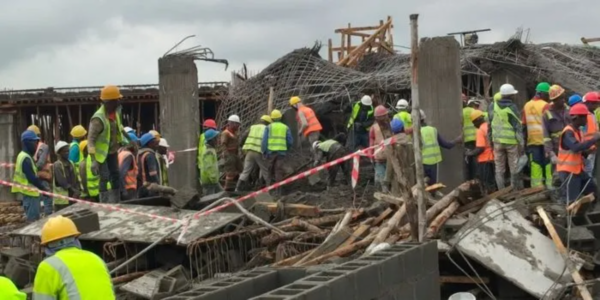
At least 25 buildings have collapsed across Kenya in the first 11 months of 2026, prompting architects to launch emergency site inspections across Nairobi to prevent further fatalities.
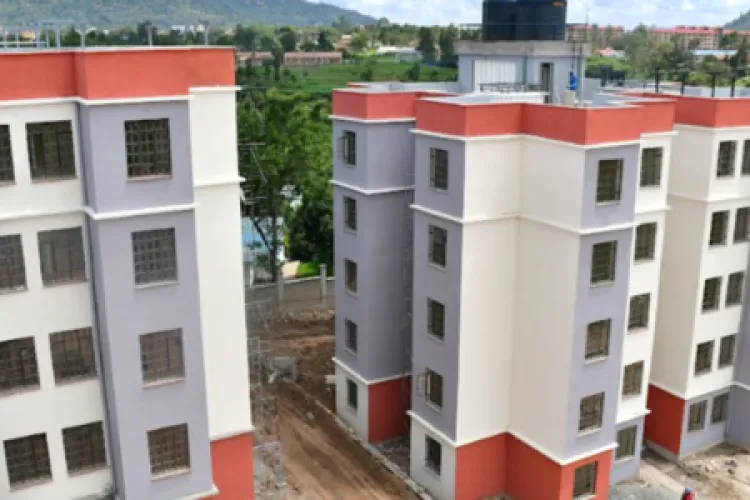
Officials from the Architectural Association of Kenya (AAK) audited construction sites in Zimmerman in Roysambu Sub-County, Kabiria in Dagoretti South, and along Dennis Pritt Road in Kilimani following public complaints over safety breaches. While AAK reported that the inspections took place on Thursday, November 26, photo records from the association also document officials inspecting sites in the three neighborhoods on Wednesday, November 25.
During the visits, inspectors flagged severe safety violations that put both workers and nearby Nairobi tenants at risk. They documented structural integrity problems, inadequate fire safety measures, poor emergency evacuation provisions, and general unsafe construction practices.
Get the day’s top stories by email
The Mwakilishi Daily News Digest: Kenya and diaspora news, once a day. Free, and you can unsubscribe anytime.
The audit also revealed buildings erected dangerously close to power lines, inadequate scaffolding, missing safety nets, and developments encroaching on riparian reserves.
The inspections follow a string of deadly collapses in the capital that have left at least 18 people dead and 16 others injured in just over three weeks.
Also read Buying Property in Kenya: What Foreign Investors Need to Know About Lease Rules
On October 23, an 18-storey building collapsed in Eastleigh, killing eight people. Rescue teams spent nearly two weeks digging through the rubble to recover victims.
Three weeks later, on November 13, an eight-storey building under construction collapsed near the Standard Gauge Railway in Syokimau along the Nairobi-Mombasa highway, killing six workers and injuring five others. The very next day, a perimeter wall at a construction site along Riverside Drive caved in, killing four more workers and leaving 11 injured.
Industry leaders have attributed the surge in collapses to systemic failures in oversight and accountability. Institution of Engineers of Kenya (IEK) Vice-President Otieno Ogallo recently warned that poor supervision and the failure to follow approved structural designs are primary drivers of the crisis. Ogallo also blamed weak enforcement and corruption for allowing non-compliant developers to continue operating unchecked.
To counter the trend, architects have called for urgent, widespread inspections and urged Nairobi residents to help police rogue builders by reporting suspicious sites through AAK’s Mulika Mjengo platform.
“The Mulika Mjengo initiative seeks to promote safe construction practices, raise public awareness of building safety, and identify non-compliant developments for action by the mandated regulatory and enforcement authorities,” AAK stated.
“The public is encouraged to report unsafe or non-compliant developments through the Mulika Mjengo reporting platform,” the association added.






Comments
No comments yet — be the first.