
Kindiki: Cutting Fuel Taxes Too Deeply Would Hurt Key Public Programmes

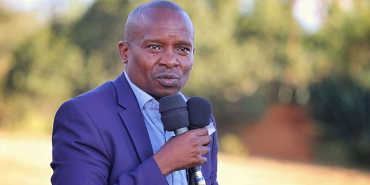
Deputy President Kithure Kindiki has defended the government’s fuel taxation policy, saying petroleum levies remain necessary to fund roads, education and social protection programmes.
Speaking on Tuesday, Kindiki said rising fuel prices were placing pressure on households and businesses, but warned that reducing taxes too heavily would affect funding for key sectors. He said revenue from fuel levies supports road construction and maintenance, which are essential to the economy.
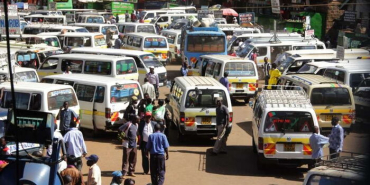
According to Kindiki, the government must balance efforts to lower fuel costs with the need to maintain public spending priorities. His remarks came as transport operators continued to push for lower diesel prices following a strike that began on Monday.
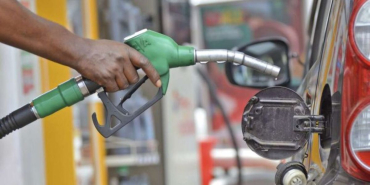
Operators are demanding a Ksh 46 reduction in diesel costs, arguing that current prices have sharply increased operating expenses. The Energy and Petroleum Regulatory Authority (EPRA) announced a Ksh 10 cut, lowering the price of diesel to Ksh 232.86 per litre, but operators rejected the reduction as insufficient.
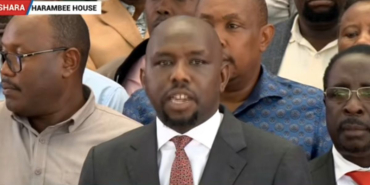
The strike was temporarily suspended after operators agreed to resume services for one week while talks with the government continue. Treasury Cabinet Secretary John Mbadi also addressed comparisons between fuel prices in Kenya and neighbouring Tanzania.
He said the difference is mainly due to the timing of fuel imports. According to Mbadi, Tanzania is still using fuel purchased in March, when global oil prices were lower, while Kenya has already moved to April shipments bought at higher prices.
Mbadi said Tanzania and Uganda are likely to experience higher pump prices once they begin using April fuel stocks, potentially pushing prices above Kenya’s levels. He also said Kenya’s larger economy and higher fuel consumption contribute to higher costs compared with neighbouring countries.
Despite current price pressures, Mbadi said there were signs that global fuel prices could ease in the coming months. He linked this to reduced tensions in the Middle East after US President Donald Trump suspended planned military action against Iran and opted for dialogue instead.
“Global fuel prices have begun going down, and so we expect that if the trend continues, then Kenyans should expect a reduction in prices from June onwards,” Mbadi said.
The government maintains that fuel taxes remain an important source of revenue for infrastructure projects and social programmes, even as consumers and transport operators continue to seek lower prices. Negotiations with operators are expected to continue in the coming weeks as authorities monitor developments in global oil markets.











Add new comment