
US Asylum Applicants Risk Losing Work Permits Over Unpaid Annual Fee
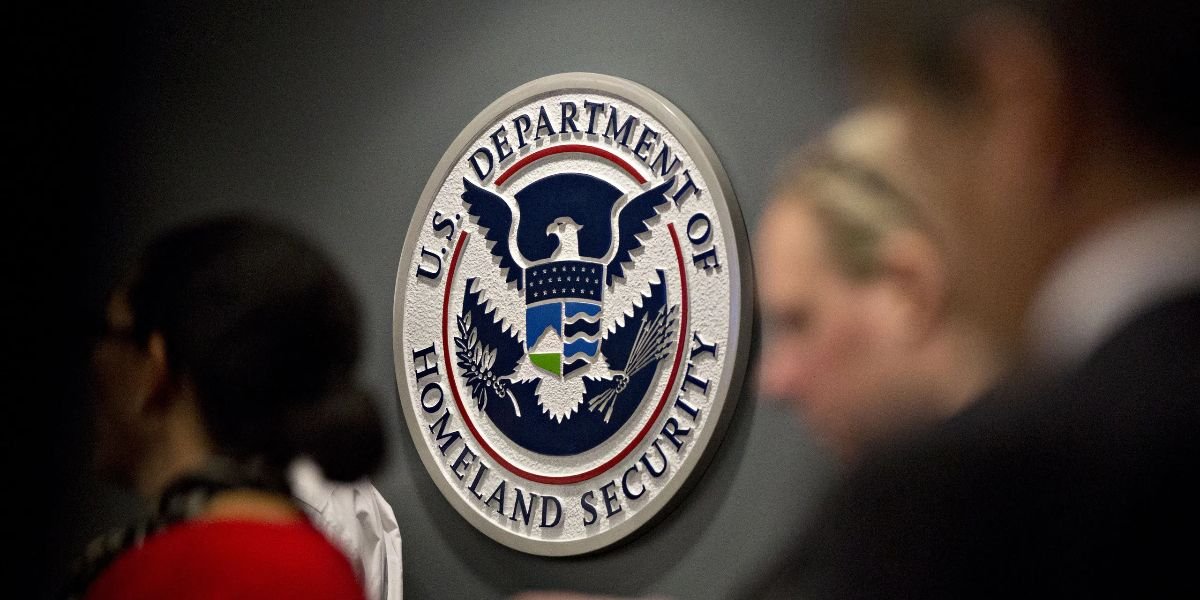
The Department of Homeland Security will require asylum applicants in the United States to pay an annual fee of US$102 from 29 May 2026, under a new rule that links continued processing of asylum claims to timely payment.
The regulation applies to individuals with pending affirmative asylum applications filed through Form I-589. Applicants must pay the fee within 30 days of a billing notice being mailed, rather than when it is received.
Failure to pay will result in automatic rejection of the asylum application, cancellation of any asylum-based Employment Authorisation Document (EAD), and possible placement in removal proceedings for those without another valid immigration status. Refunds will not be issued for missed payments.
The measure follows provisions included in last year’s H.R. 1 budget reconciliation law and has already taken effect, although the public comment period remains open until late June. The rule also increases several other immigration-related costs.
Renewal fees for asylum-related EADs will rise to US$275, while work permits linked to Temporary Protected Status will be limited to one-year validity. Additional charges will also apply to replacement travel documents. The changes increase the overall cost of maintaining lawful work authorisation for migrants whose cases can remain unresolved for several years.
Employers have been advised to review I-9 records to identify workers using asylum-based EADs, as those permits may now become invalid with limited notice. Businesses employing significant numbers of Central American and Venezuelan nationals, who make up a large share of the asylum backlog, could face disruption if employees lose work authorisation unexpectedly.
Critics of the policy argue that low-income applicants may struggle to meet the new financial requirements, particularly if they miss notices because of language barriers or frequent address changes. DHS officials say the fees are intended to support adjudication resources and discourage unfounded claims.
Immigration advocates are urging asylum seekers to ensure that USCIS has their current address through Form AR-11, set aside funds for the annual payment, and regularly monitor both postal mail and online accounts. Missing a payment notice could result in the loss of both an asylum claim and legal permission to work in the United States.




Comments
No comments yet — be the first.