
Martha Karua: My Humilating Deportation from Uganda
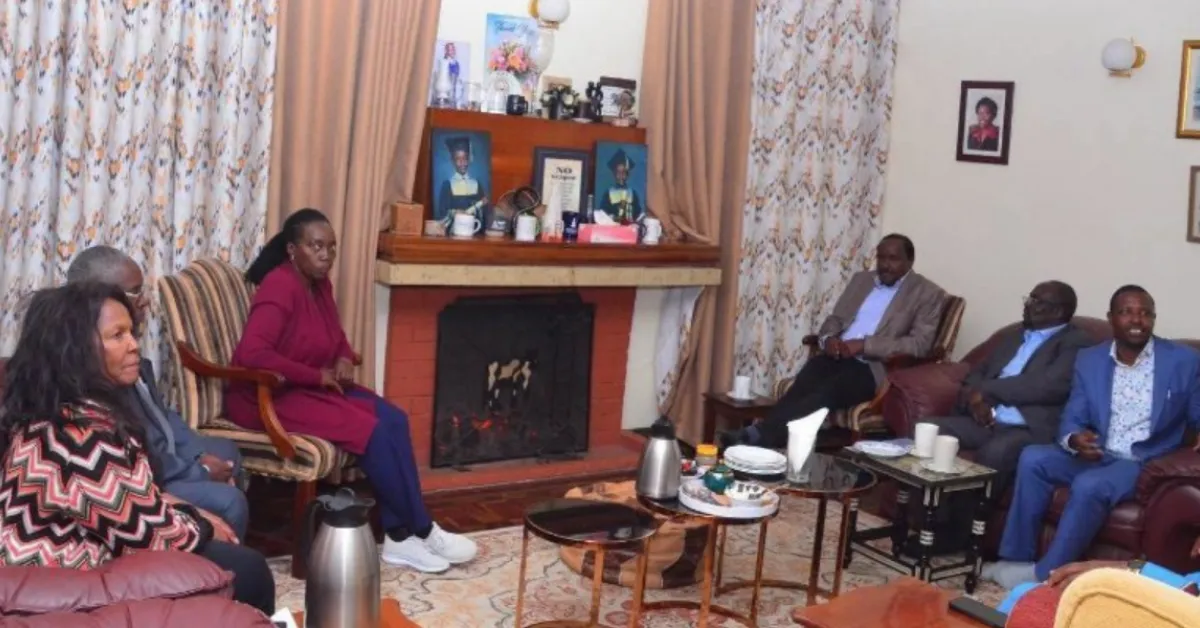
Kenyan lawyer and People’s Liberation Party leader Martha Karua was denied entry to Uganda on Monday and returned to Nairobi after immigration officials at Entebbe International Airport barred her from entering the country.
The decision by Ugandan authorities has renewed debate about democratic freedoms, legal independence and regional integration within East Africa.
Karua had travelled to Uganda with several colleagues, including Law Society of Kenya President Charles Kanjama, in connection with legal proceedings involving Ugandan opposition politician Dr Kizza Besigye and his co-accused, Hajj Obeid Lutale.
Speaking after her return to Nairobi, Karua said the restriction was imposed without a clear explanation. According to her account, she initially cleared immigration procedures before officials later informed her that the clearance had been issued in error. She said authorities subsequently referred to security concerns but did not provide further details.
Karua also alleged that immigration officers took possession of her mobile phones during the incident and later returned them. She said she was concerned the devices may have been accessed without her consent and indicated that she was considering legal action through regional or continental courts.
Ugandan authorities had not publicly responded to those allegations at the time of reporting. The incident comes amid continuing scrutiny of the legal proceedings involving Besigye.
Karua has been a member of the opposition leader’s defence team since early 2025 and has previously travelled to Uganda several times without difficulty. She suggested that the change in her treatment followed the arrest and detention of fellow defence lawyer Erias Lukwago, who has also represented Besigye.
Karua said the matter goes beyond her personal experience. She argued that restricting lawyers involved in a politically sensitive case could affect confidence in the fairness of judicial proceedings. She said the ability of defence lawyers to carry out their work freely is an important part of ensuring access to justice and independent legal representation.
Karua said citizens of member states should be able to travel across borders with limited restrictions, particularly when undertaking professional duties. Her remarks reflect wider concerns among legal and political observers that recent deportations and travel restrictions are testing the region’s commitment to free movement.
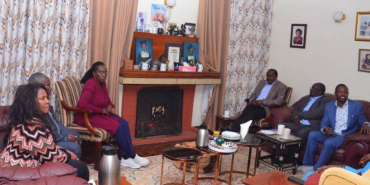
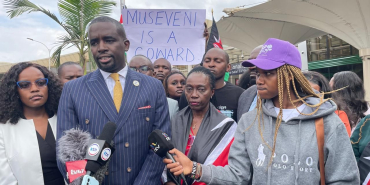
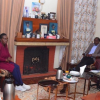
Political reactions followed soon after Karua returned to Kenya. Several opposition leaders visited her and criticised Uganda’s decision. Those who expressed support included Wiper leader Kalonzo Musyoka, former Cabinet Secretary Justin Muturi, former Chief Justice David Maraga and Democratic Action Party-Kenya leader Eugene Wamalwa.
In a statement issued after the meeting, Kalonzo described the decision as a concerning development and argued that it reflected a narrowing space for dissent and political participation. He said restrictions affecting lawyers, activists and political figures could weaken the principles that support regional cooperation and constitutional governance.
The response from Kenyan opposition leaders has elevated the matter beyond an immigration dispute. The dispute comes at a time when East African governments face continued scrutiny over civil liberties, judicial independence and the treatment of political opponents.





Add new comment