

Commercial Property No Longer the Guaranteed Investment It Once Was

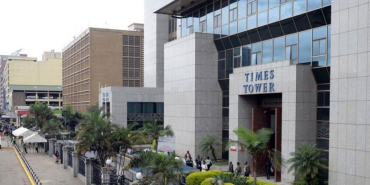
Nairobi’s office property market continues to face high vacancy rates, with landlords across key commercial districts struggling to attract tenants despite offering incentives and lower rents.
The city’s skyline, once seen as a symbol of Kenya’s economic growth, is increasingly marked by vacant office space and prominent “To Let” signs. Areas such as Upper Hill, Westlands and Kilimani have been particularly affected as demand remains weaker than anticipated.
Landlords are responding by reducing rents, offering extended rent-free periods and introducing more flexible lease arrangements. Some developers have also suspended planned projects, reflecting a significant shift from the confidence that drove the construction boom of the past decade.
That expansion was fuelled by strong demand from multinational companies, banks and technology firms, leading investors to believe the market would continue to absorb new office developments. Billions of shillings were invested in commercial towers on the expectation that Nairobi’s position as a regional business hub would support high occupancy levels.
However, vacancy rates remain elevated, averaging between 15 and 20 percent across many sub-markets, according to the latest Knight Frank report. Mark Dunford, Chief Executive Officer of Knight Frank Kenya, says tenants have become more selective in their choice of office space.
He points to growing demand for premium buildings with green certifications and internationally recognised sustainability standards. The trend suggests that demand has not disappeared but is increasingly concentrated in a limited segment of the market. As a result, many conventional office buildings are finding it difficult to compete for tenants.
The impact is being felt across the sector. Lower rental yields are reducing investor confidence, while developers are reassessing their priorities. Capital that was once directed towards office projects is increasingly being allocated to residential housing, logistics facilities and mixed-use developments.
Nairobi’s office oversupply highlights the risks associated with speculative construction in rapidly growing economies. It also underlines the need for property development to reflect changing corporate requirements, particularly as sustainability and operational efficiency become more important factors in tenant decision-making.
For Kenya’s real estate industry, the focus is shifting from constructing additional office towers to adapting existing buildings to meet evolving market demands.




















Add new comment