Latest
Mwakilishi News Bulletin - Evening Edition, Friday 16 October 2026Kenyan National Charged in Nebraska for Alleged Student Aid FraudDeath Announcement: Danson Kungu Njuguna of Lowell, MassachusettsKenya's Wanjiku Set to Make History as a Female FIFA Referee at World CupKenya Court of Appeal Upholds IGP's Exclusive Command Over Police RecruitmentRepublicans Propose Raising H-1B Salary Threshold From $60,000 to Nearly $140,000TrendingKenyan-American Business Owner Sentenced to Over 4 Years in Prison for $1.5 Million Employment Tax FraudTrendingLiberian Immigrant Convicted of Naturalization Fraud and Ordered Removed from U.S.TrendingKenyan Diaspora in Britain Mourns James Mwangi After Sudden Death in DerbyTrendingNewsmax Presenter Apologises After Saying American Cities Are Starting to Look Like Nairobi, Not New YorkTrendingUSCIS to Increase Immigration Fees from October 16, Affecting Kenyan DiasporaTrendingUK Authorities Await Post-Mortem Findings in Death of Kenyan Student Nelbert Rirei
AdvertisementTop banner · 970×90 / 728×90
Immigration

How Immigrants in the US Can Legally Avoid the New 1% Remittance Tax
How Immigrants in the US Can Legally Avoid the New 1% Remittance Tax

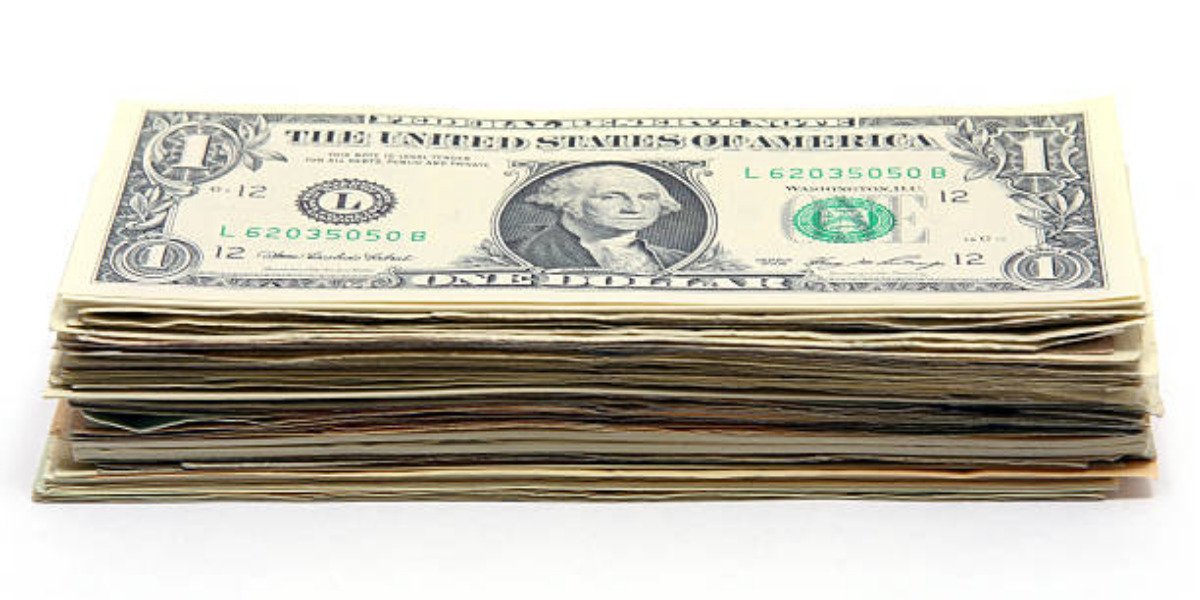
The United States has introduced a new excise tax on certain international money transfers, imposing a 1 percent charge on cash, money order, and cashier’s cheque remittances. 

The tax, effective from 1 January 2026, aims to regulate remittance flows while generating revenue for the government. Initially proposed at 5 percent, the tax was revised through legislative negotiations, ultimately settling at 1 percent. A similar levy was set to begin for remittances to India on 1 January 2025, indicating a broader effort to oversee remittance practices.

The tax applies to transfers made in cash or through money orders, with an additional $10 charge for every $1,000 sent. The recipient will still receive the full amount, with the sender responsible for the tax payment. Transfers made through banks, credit unions, or digital payment services like Google Pay or Apple Pay are exempt from the charge.

AdvertisementIn-article ad

The groups most likely to be affected by the tax include immigrants, particularly non-resident Indians, foreign workers on H-1B visas, and international students, many of whom regularly send money home. Those who rely on cash transfers may face additional costs unless they switch to exempt methods such as bank transfers or digital payment systems.


Comments

Comments are reviewed before they appear. Please keep it respectful.

No comments yet — be the first.

AdvertisementMore stories (Google matched content)

More from Immigration

How Immigrants in the US Can Legally Avoid the New 1% Remittance Tax | Mwakilishi.com



