
Why Many Kenyans Fear Returning Home After Deportation
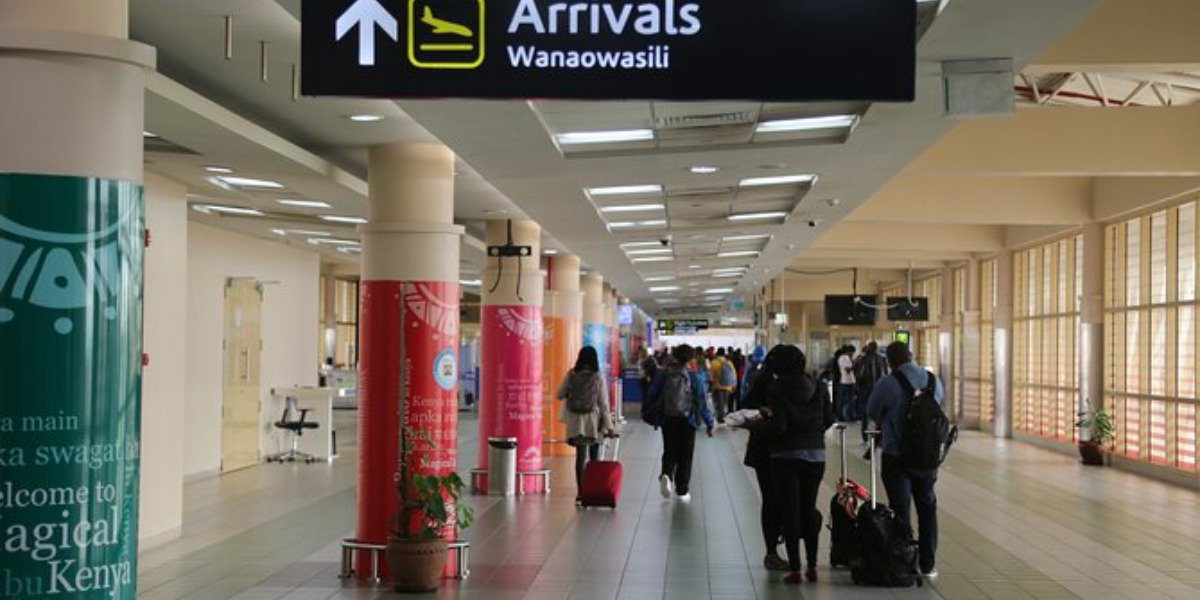
Each year, Kenyans are deported and returned through Jomo Kenyatta International Airport, where officials verify their identity and assess whether further action is required.
Immigration officers review documents on arrival and determine the next steps. Individuals without criminal involvement are usually released to their families, while those with legal concerns may face investigation under Kenyan law.
Although administratively routine, deportation has significant personal consequences. Many returnees experience intense anxiety before removal. The process often marks the sudden end of years spent building a life abroad through work, study, or financial support to relatives. This disruption can leave individuals feeling that their efforts have been undone.
Social pressures can complicate the return. In many communities, migration is linked to success and economic progress. An involuntary return may lead to stigma, as deportees anticipate scrutiny from relatives and neighbours. This perception can make reintegration more difficult and heighten emotional distress.
Economic uncertainty is another challenge. Many deportees arrive with limited savings and no immediate employment prospects. Those who have spent long periods abroad may also find the local environment unfamiliar, with changes in social and economic conditions adding to the difficulty of readjustment.
Support services are available but not always accessible. The International Organization for Migration provides counselling and reintegration assistance, sometimes including limited financial support. The Kenya Red Cross Society offers psychosocial care in vulnerable cases, while community and faith-based groups often provide informal support. These services can help individuals begin to rebuild their lives.
The impact of deportation varies. Some returnees experience lasting effects from detention and forced removal, including anxiety, shame, or a loss of identity. Others adjust over time with the help of family and community networks. Outcomes often depend on the level of support available on return.






Comments
No comments yet — be the first.