
How Mastering Dutch Shapes Success for Kenyans in the Netherlands
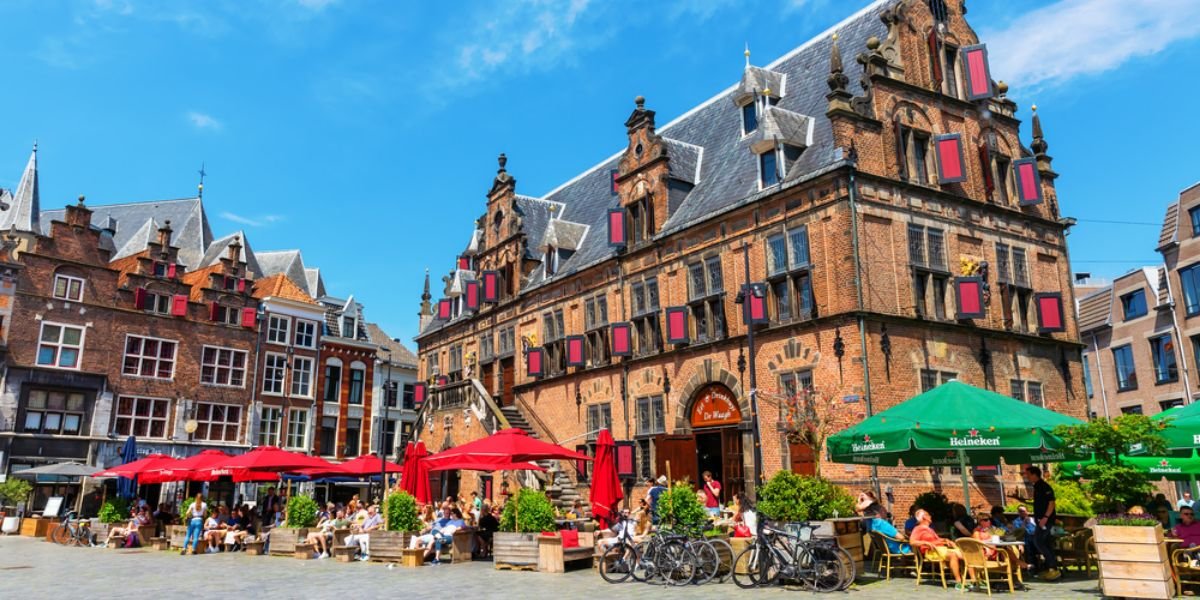
The Netherlands has raised salary thresholds for non-EU applicants under its Highly Skilled Migrant scheme, limiting access for many Kenyan professionals.
From 2026, applicants aged 30 and above must earn a minimum gross monthly salary of €5,668, while those under 30 must secure at least €4,155, excluding holiday allowance. These levels are significantly higher than typical entry-level wages and reduce opportunities for early-career candidates seeking to enter the Dutch labour market.
The revised thresholds make it unlikely that employers will recruit international candidates unless they offer specialised expertise. The scheme now largely favours senior professionals, narrowing access for younger applicants. Analysts indicate that this approach prioritises economic competitiveness and reduces opportunities for emerging talent.
Chris Ochieng, Chairperson of the Kenya Diaspora Association Netherlands (KDAN), reflects the pathway required to succeed under such conditions. He moved from Kenya in 2007 after training as a clinical officer and later studied international business and management at Radboud University in Nijmegen.
He now lives in Den Bosch and works in the Dutch banking sector. His experience illustrates the level of adaptability and persistence needed to establish a professional career in the Netherlands.
Language remains a key requirement for integration. Kenyan migrants must learn Dutch to access skilled roles, unlike those who move to English-speaking countries such as the United Kingdom or the United States. Many begin in service jobs but move into sectors such as banking, logistics, and sustainable agriculture once they achieve fluency. Language skills therefore play a central role in career progression.
KDAN provides support to the Kenyan community, which is estimated at about 20,600 people in the Netherlands. The organisation assists with employment guidance, sponsor compliance, and welfare needs, including support during bereavement and repatriation. It also organises national celebrations such as Madaraka Day and Mashujaa Day to maintain cultural connections.



Comments
No comments yet — be the first.