

Turkiye and Indonesia Target $10 Billion Trade Milestone Amid Expanding Sector Collaboration
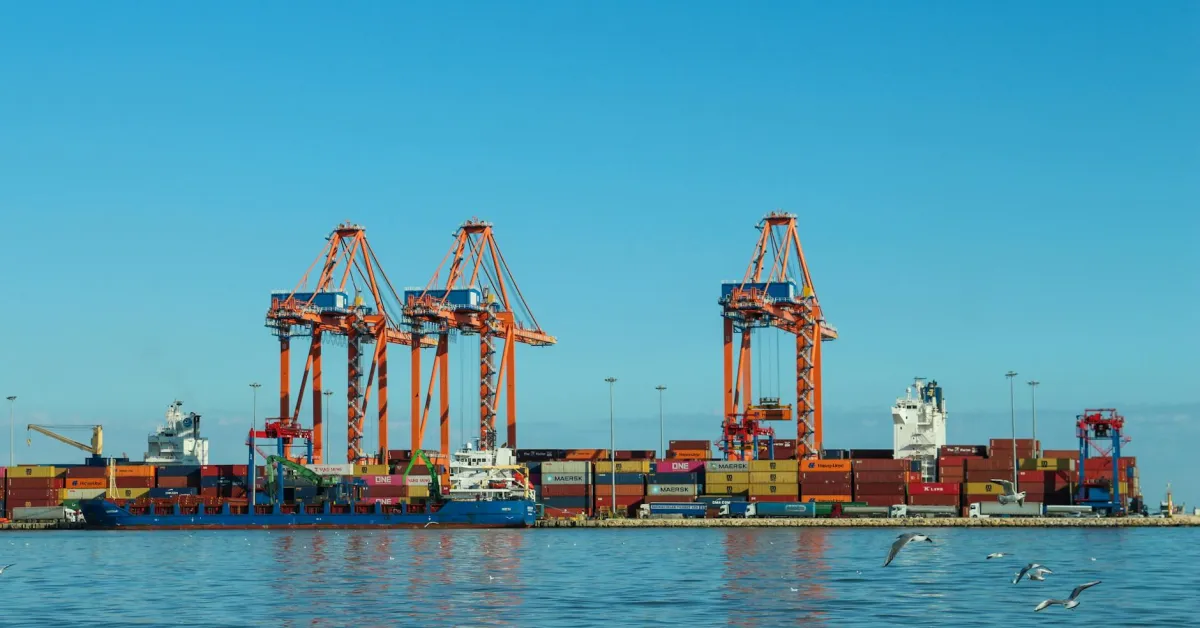
Turkiye's Foreign Minister Hakan Fidan and Indonesian President Joko Widodo have reaffirmed their commitment to elevating bilateral trade relations, ambitiously targeting a $10 billion annual trade volume. The announcement comes as the two nations explore potential collaborations across various sectors, including defense, energy, transportation, and the halal food industry. During a meeting in Jakarta on June 2, 2026, both leaders underscored the importance of strategic partnerships in enhancing economic resilience and fostering sustainable growth.
According to official trade data, the bilateral trade volume between Turkiye and Indonesia stood at approximately $2 billion in 2025, highlighting the significant potential for growth. The proposed $10 billion target reflects a fivefold increase, signaling a robust commitment to deepening economic ties. Hakan Fidan emphasized the critical role of mutual investments and technology exchange in achieving this milestone. "Our collaboration extends beyond mere numbers; it's about forging a comprehensive partnership that benefits our people and economies," Fidan stated, echoing his government's strategic pivot to Asia in recent years.
The defense sector has emerged as a key area of interest, with Turkiye's advanced defense technology attracting Indonesian interest for potential joint ventures and technology transfer agreements. In parallel, the energy sector is poised for significant collaboration, particularly in renewable energy projects, as both countries seek to diversify their energy sources and reduce carbon footprints. Indonesian President Joko Widodo highlighted this aspect, noting, "Our countries share a vision of a sustainable future. By leveraging each other's strengths, we can achieve energy security and contribute to global climate objectives."
Transportation infrastructure also stands out as a focal point, with both nations eager to develop more efficient logistics networks to facilitate trade. The Jakarta-Bandung high-speed rail project, partially financed by Turkish firms, exemplifies the potential for infrastructural collaboration. Additionally, the halal food industry, a burgeoning sector in both economies, presents opportunities for joint market penetration strategies, particularly in Middle Eastern and African markets.
The implications of this strengthened alliance extend beyond Turkiye and Indonesia, offering a blueprint for other developing nations seeking to boost trade through strategic sector partnerships. As global economic dynamics shift, such bilateral agreements could provide a roadmap for enhancing economic resilience and competitive advantage. However, challenges remain, including navigating complex regulatory environments and ensuring equitable economic growth.
As the two nations work towards their ambitious trade goal, observers will watch closely how these initiatives unfold, particularly in light of Indonesia's upcoming chairmanship of the ASEAN in 2027, where regional economic integration will be a central theme. The developments also resonate with Turkiye's aspiration to enhance its influence across the Asian continent, potentially reshaping economic landscapes in the region.














Add new comment