
DCI Labels Ksh300 Million Raila Poisoning Story as False
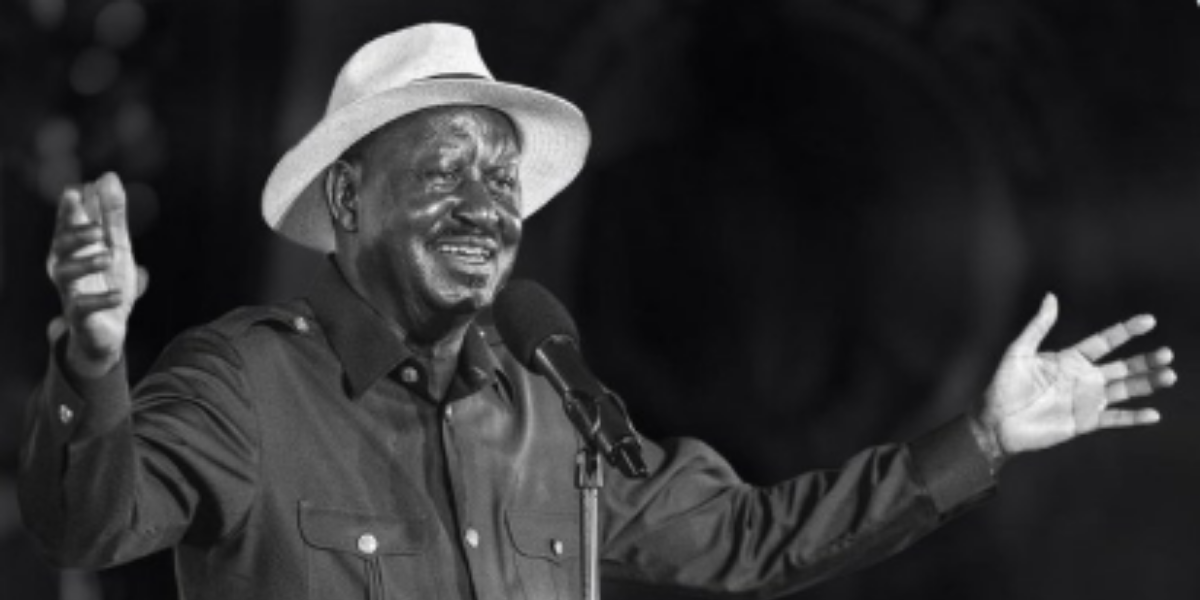
Kenya’s Directorate of Criminal Investigations (DCI) has rejected social media claims that former Prime Minister Raila Odinga was poisoned before his death in October 2025, describing the reports as “fabricated and misleading.”
The posts circulating online alleged that an Indian doctor admitted to receiving Ksh300 million to administer botulinum toxin to Odinga while he was receiving treatment abroad. Botulinum toxin is a potent neurotoxin capable of causing paralysis by blocking nerve signals to muscles. The DCI said that no such confession exists and confirmed that the allegations are false.
Odinga died on 15 October 2025 while on a morning walk in Kerala, India. He was pronounced dead at Devamatha Hospital after resuscitation efforts failed. Medical records at the time cited cardiac arrest, exacerbated by underlying health conditions, including diabetes, hypertension, and a recent stroke. His funeral was held four days later in Bondo, Siaya County, where thousands attended to pay their respects.
The circulation of false claims about Odinga’s death highlights the challenge of disinformation in Kenya’s digital space. Social media platforms have become a common source of unverified information, often targeting high-profile figures. Analysts warn that such narratives can distort public understanding and inflame political tensions in a country where Odinga’s legacy remains significant.
President William Ruto, who had arranged Odinga’s medical travel to India in consultation with his family, has not publicly addressed the recent rumours. The DCI’s statement reflects a broader effort by state institutions to counter false information and maintain public trust.
Authorities continue to affirm that Odinga’s death resulted from natural causes, and that claims of poisoning are without foundation.





Comments
No comments yet — be the first.