
Citizenship for Sale: How Foreign Nationals Secure Kenyan IDs and Passports for Sh 15,000
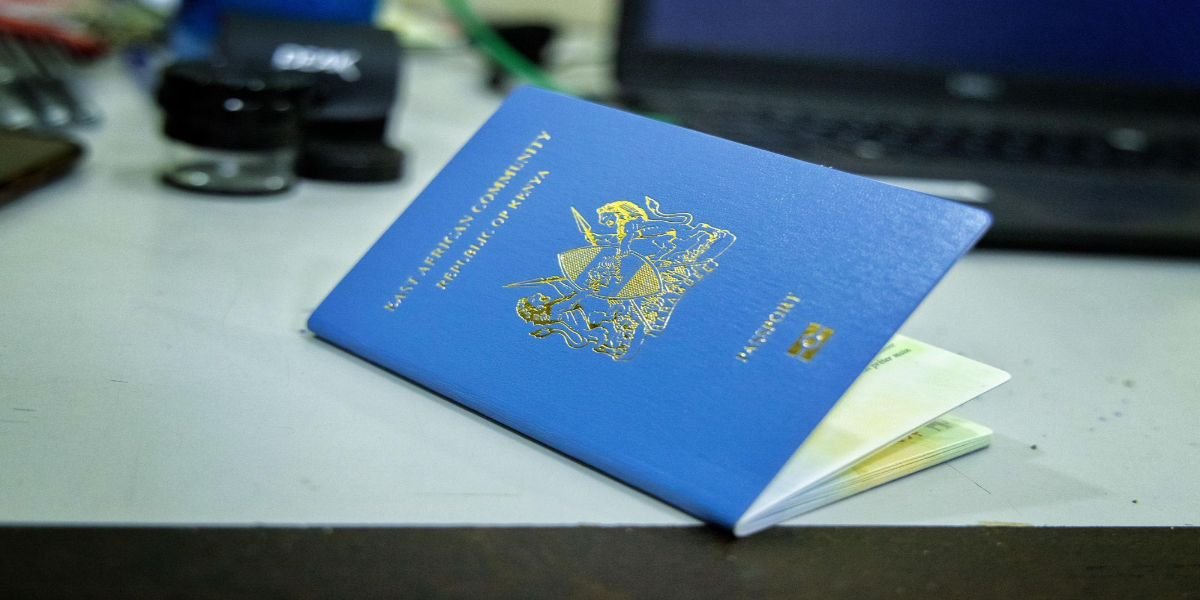
An undercover investigation has uncovered a criminal network within Kenya’s civil registration system that is allegedly selling national identity documents and passports to foreign nationals through corrupt government officials.
The investigation points to officials in the Department of Immigration and the National Registration Bureau working with brokers and intermediaries to obtain Kenyan identity documents for people who are not eligible for citizenship. According to the findings, foreign nationals from neighbouring countries, including Somalia, Ethiopia, Burundi and Uganda, can acquire a Kenyan identity card for as little as KES 15,000, bypassing procedures intended to protect the integrity of the registration system.
Once an identity card has been issued, the same network reportedly assists applicants in obtaining authentic Kenyan passports. Because the documents are produced through official government systems, they are indistinguishable from those issued through legitimate channels, making them difficult to detect during routine security checks.
The findings raise concerns about the security of Kenya’s national registry and border control systems. A Kenyan identity card enables holders to access a range of services and rights, including purchasing property, opening bank accounts, registering SIM cards and participating in elections.
Security analysts warn that weaknesses in the registration process could be exploited by transnational criminal groups or extremist organisations seeking to operate without detection. The revelations also present a challenge for the government, which has invested heavily in digitising public services and strengthening the security features of national identity documents.
The investigation suggests that, despite technological improvements, the registration process remains vulnerable to corruption among officials responsible for vetting and approving applications. Analysts note that the relatively low cost of obtaining fraudulent documents indicates the operation may extend beyond isolated cases and could involve a large number of registrations.
If confirmed, the scale of the activity would raise further questions about oversight within the country’s civil registration system. Pressure is increasing on the Directorate of Criminal Investigations and the Ethics and Anti-Corruption Commission to identify those responsible, dismantle the network and restore confidence in the integrity of national identity records.






Comments
No comments yet — be the first.